
Treatment - Cancer Currents Blog
Cancer treatment related news, with context from leading experts. Includes articles on new therapies, treatment side effects, and important trends in treatment-related research.
-

Immune checkpoint inhibitors have revolutionized cancer treatment, helping people with advanced melanoma, lung cancer, bladder cancer, and other cancers live longer, healthier lives. This is the story of how decades of NCI-funded research made these breakthrough immunotherapy drugs possible.
-
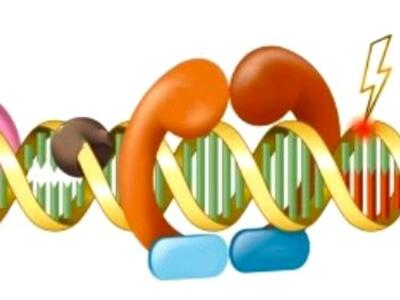
FDA has approved the combination of the immunotherapy drugs ipilimumab (Yervoy) and nivolumab (Opdivo) for the initial treatment of people with advanced colorectal cancer whose tumors are classified as MSI-H or dMMR.
-
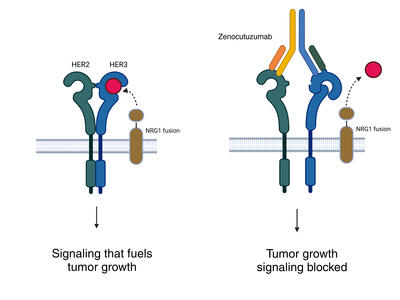
FDA has approved zenocutuzumab (Bizengri) to treat people with pancreatic or non-small cell lung cancer whose tumors have a rare genetic alteration called an NRG1 fusion. The approval is based on a clinical trial in which the drug shrank tumors in a third of patients.
-

For men with metastatic castration-resistant prostate cancer, initial treatment with enzalutamide (Xtandi) combined with talazoparib (Talzenna) may help them live longer than getting enzalutamide alone, according to updated results from a large clinical trial.
-
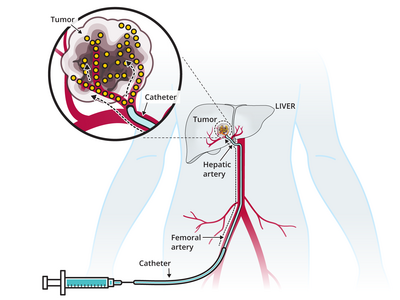
Results from two clinical trials show that combining a procedure called TACE with an immunotherapy drug and angiogenesis inhibitor improves how long people with intermediate-stage liver cancer live without their disease returning or getting worse.
-

The injectable form of nivolumab, called Opdivo Qvantig, is quicker and easier to give, several oncologists said, and is just as effective as the intravenous form. Injectable forms of other immunotherapies are also on the horizon.
-

Many U.S. doctors aren’t using the recommended initial treatments for their patients with hormone-sensitive metastatic prostate cancer, a new study has found. Often, it’s because they aren’t up to date on the latest treatment recommendations or because of side effect concerns.
-
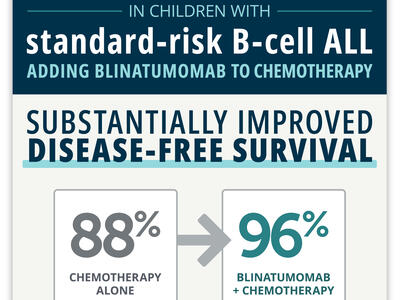
Following positive results from a clinical trial, the immunotherapy drug blinatumomab (Blincyto) is expected to become part of the standard initial treatment for many kids with B-cell acute lymphoblastic leukemia, the most common form of childhood cancer.
-
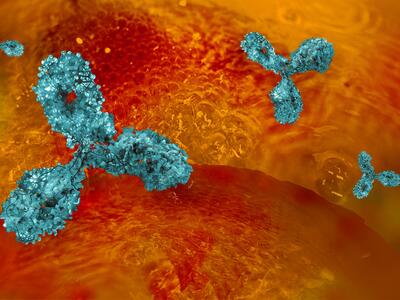
FDA’s approvals of Darzalex Faspro and Sarclisa, each used in combination with standard three-drug treatment regimens, should change the initial treatment of newly diagnosed multiple myeloma, including for patients who can’t get a stem cell transplant.
-
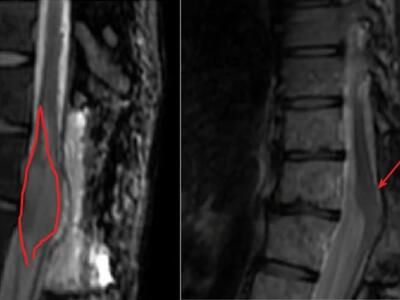
In a small clinical trial, an experimental CAR T-cell therapy that targets the protein GD2 on cancer cells shrank tumors—for 2 years or more in several cases—in children and young adults with diffuse midline glioma, an aggressive brain and spinal cord cancer.