
Cancer Currents: An NCI Cancer Research Blog
A blog featuring news and research updates from the National Cancer Institute.

-

In a recent study, more than 90% of people who’d had their stomach surgically removed to prevent cancer experienced a least one chronic complication 2 years out from their surgery. For some, the complications are life altering.
-

Under a new FDA approval, enzalutamide (Xtandi) can now be used alone, or in combination with leuprolide, to treat people with nonmetastatic prostate cancer that is at high risk of returning after surgery or radiation.
-
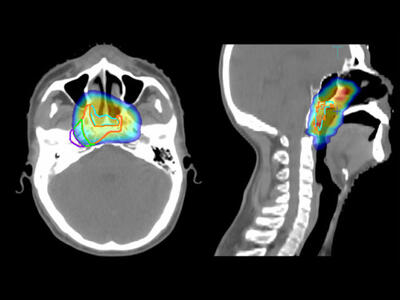
FDA approved toripalimab (Loqtorzi) based on the results of a large clinical trial showing that, when added to chemotherapy, the drug extended survival in people with nasopharyngeal cancer that returned after initial treatment or spread in the body.
-

In a clinical trial, a simple letter and phone call helped increase the number of people who completed the recommended follow-up testing after an abnormal cancer screening result.
-
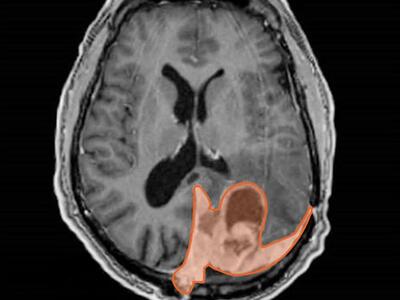
The activity of 34 genes can accurately predict the aggressiveness of meningiomas, a new study shows. This gene expression signature may help oncologists select the best treatments for people with this common type of brain cancer than they can with current methods.
-

In a clinical trial, people being treated for cancer who participated in virtual mind–body fitness classes were less likely to be hospitalized, and had shorter stays when they were hospitalized, than people who did not take the classes.
-

Antibodies currently used in many cancer treatments have only been able to reach proteins outside of cancer cells. In a new study in mice, scientists found a way to target cancer-fueling KRAS and IDH1 proteins buried inside cancer cells.
-

NCI’s James H. Doroshow, M.D., reflects on the accomplishments of NCI-MATCH, a first-of-its-kind precision medicine cancer trial, and gives an overview of three new successor trials: ComboMATCH, MyeloMATCH, and iMATCH.
-
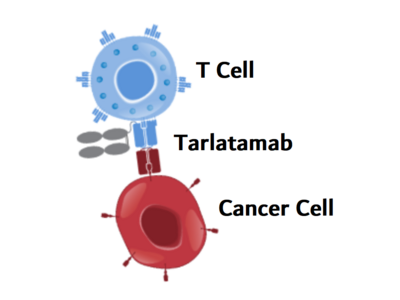
Tarlatamab, a new type of targeted immunotherapy, shrank small cell lung cancer (SCLC) tumors in more than 30% of participants in an early-stage clinical trial. Participants had SCLC that had progressed after previous treatments with other drugs.
-

For the first time in decades, people with advanced bladder cancer have more effective treatment options. New clinical trial results mark a pivotal moment following years of little progress, bladder cancer experts believe.