
Cancer Currents: An NCI Cancer Research Blog
A blog featuring news and research updates from the National Cancer Institute.

-

A new study shows that, in some tumors, a subset of cancer cells can drain mitochondria, the tiny structures within cells that produce energy, from T cells and use them for their own energy needs.
-

FDA has changed its 2021 approval of pembrolizumab (Keytruda) along with trastuzumab (Herceptin) and chemotherapy for treating HER2-positive stomach or GEJ cancer. The agency also announced a new approval of pembrolizumab for HER2-negative forms of these same cancers.
-
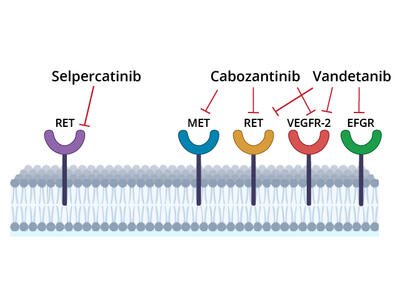
For people with lung cancer and medullary thyroid cancer whose tumors have changes in the RET gene, selpercatinib improved progression-free survival compared with other common treatments, according to new clinical trial results.
-

A new study, conducted largely in mice, may help explain why a currently used molecular marker—called mismatch repair deficiency—doesn’t always work to predict which patients will respond to immunotherapies called immune checkpoint inhibitors.
-

The Food and Drug Administration (FDA) for the first time has granted marketing authorization for a blood test, the Invitae Common Hereditary Cancers Panel. The test detects inherited genetic changes that increase the risk of developing certain cancers.
-

In a survey of more than 100 US community cancer clinics, only 16% routinely screened informal caregivers of their patients for distress. In contrast, more than 90% regularly screened patients for distress and provided referrals to supportive care services.
-
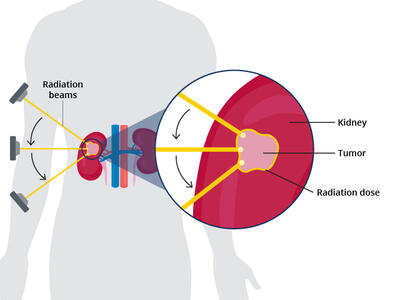
Stereotactic body radiotherapy was effective in people with localized kidney cancer who weren’t able to have surgery to remove their tumor, a clinical trial has shown. No patients had their cancer start growing or died from cancer over the next 5 years.
-
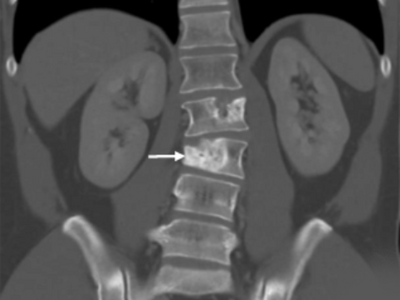
Treatment with atezolizumab (Tecentriq) shrank tumors in about 40% of people with alveolar soft part sarcoma, including one complete response, new clinical trial findings show. Some people were later able to stop treatment without the cancer returning.
-

The ENLACE study is the first to use cutting-edge technologies to describe the molecular features of colorectal tumors in Hispanic and Latino people. The study’s goals are to improve treatments and increase Hispanic/Latino engagement in cancer research.
-
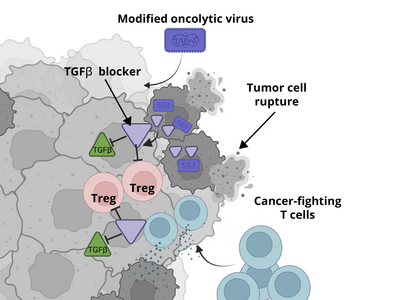
A cancer-infecting virus engineered to tamp down a tumor’s ability to suppress the immune system shrank tumors in mice, a new study shows. The modified oncolytic virus worked even better when used along with an immune checkpoint inhibitor.