
Biology of Cancer - Cancer Currents Blog
Cancer biology research news, with context from experts at NCI and elsewhere. Topics include cancer metastasis, the tumor microenvironment, and new targets for cancer therapies.
-
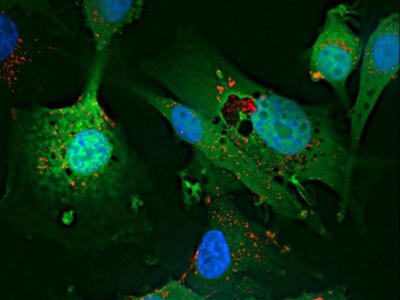
Despite continued efforts to develop new therapies for glioblastoma, none have been able to improve how long patients live appreciably. Despite some setbacks, researchers are hopeful that immunotherapy might be able to succeed where other therapies have not.
-

A new study in mice has revealed a molecular link between a high-fat diet and the growth and spread of prostate cancer. The findings, the study leaders believe, raise the possibility that changes in diet could potentially improve treatment outcomes in some men.
-

Two compounds that target components of the circadian clock killed several types of cancer cells in the lab and slowed the growth of brain tumors in mice without harming healthy cells, a new study showed.
-
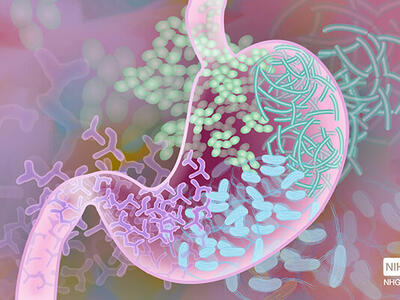
Using mouse models of cancer, researchers found that altering the gut microbiome could affect whether tumors responded to checkpoint inhibition.
-
An NCI-funded study has found significant differences in the genetics of acute myeloid leukemia in younger and older patients. The findings could help guide the development of treatments tailored specifically for childhood AML.
-

NCI Director Dr. Norman Sharpless discusses research on aging and cancer, including understanding the biology of aging and its relationship to cancer, the treatment of older patients, and ensuring older patients participate in cancer clinical trials.
-
Patterns of gene expression may be different in the tumors of some African Americans than in those of whites, a new study has found, and these biological differences may contribute to racial disparities in lung cancer.
-
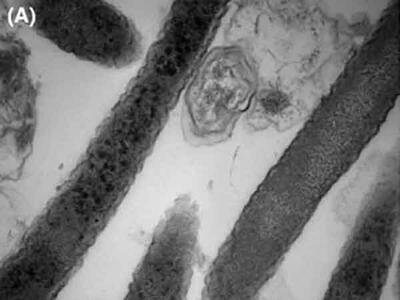
Fusobacterium, found in the stomach and intestines, may help fuel the growth of colorectal cancer and metastases. In a mouse model of colorectal cancer, using antibiotics to kill these bacteria slowed tumor growth.
-
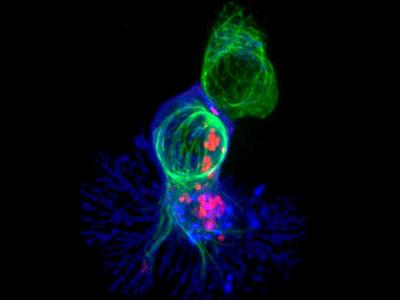
A recent NCI symposium focused on developing new and better mouse models for testing treatments that harness the immune system against cancer.
-
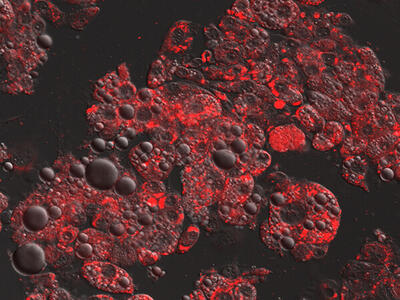
Researchers have shown that fat cells can absorb two commonly used chemotherapy drugs and break them down chemically into a less toxic form, potentially reducing the drugs’ effectiveness.