
Treatment - Cancer Currents Blog
Cancer treatment related news, with context from leading experts. Includes articles on new therapies, treatment side effects, and important trends in treatment-related research.
-
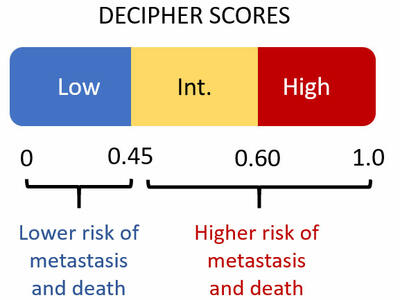
For some men with prostate cancer, a genetic biomarker test called Decipher may help predict if their cancer will spread elsewhere in the body. The test could help determine whether hormone therapy, which can cause distressing side effects, is needed.
-
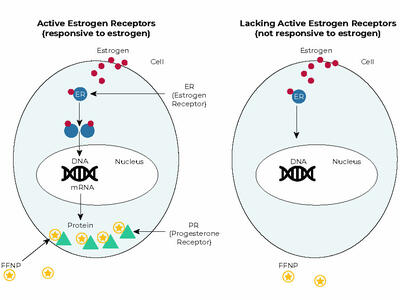
For some people with ER-positive breast cancer, a new imaging test may help guide decisions about receiving hormone therapy, according to a new study. The test can show whether estrogen receptors in tumors are active and responsive to estrogen.
-
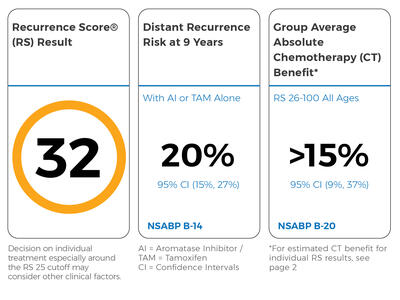
The test, which helps guide treatment decisions, was not as good at predicting the risk of death from breast cancer for Black patients as for White patients, a new study has found. The findings highlight the need for greater racial diversity in research studies.
-

A recent study quantified the risk of osteonecrosis of the jaw for patients who take zoledronic acid to manage complications from cancer that has spread to the bone. The study also examined risk factors for osteonecrosis of the jaw in these patients.
-
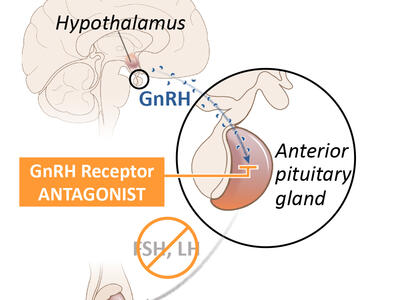
FDA’s recent approval of relugolix (Orgovyx) is expected to affect the treatment of men with advanced prostate cancer. A large clinical trial showed that relugolix was more effective at reducing testosterone levels than another common treatment.
-

The drug abemaciclib (Verzenio) may be a new treatment option for people with the most common type of breast cancer, with new study findings suggesting that it can reduce the risk of the cancer returning.
-

In people with glioblastoma and other brain cancers, steroids appear to limit the effectiveness of immunotherapy drugs, a new study shows. The findings should influence how steroids are used to manage brain tumor symptoms, researchers said.
-

For adults with CML who are in a sustained deep molecular remission, stopping treatment with a tyrosine kinase inhibitor is safe and improves their quality of life, a study shows. But researchers cautioned that these patients must be closely monitored.
-
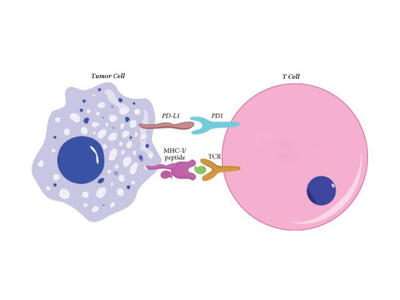
Cholesterol-lowering drugs known as PCSK9 inhibitors may improve the effectiveness of cancer immune checkpoint inhibitors, according to studies in mice. The drugs appear to improve the immunotherapy drugs’ ability to find tumors and slow their growth.
-

FDA has expanded the approved uses of the FoundationOne Liquid CDx blood test, known as a liquid biopsy, that can help doctors pick specific treatments for some people with cancer. When used in this way, the test is known as a companion diagnostic.