
Treatment - Cancer Currents Blog
Cancer treatment related news, with context from leading experts. Includes articles on new therapies, treatment side effects, and important trends in treatment-related research.
-
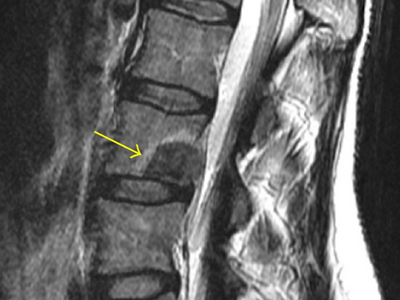
For some patients with painful spinal metastases from advanced cancer, a type of precise, high-dose radiation therapy—called stereotactic body radiation therapy (SBRT)—may be a highly effective way to relieve that pain, clinical trial results show.
-
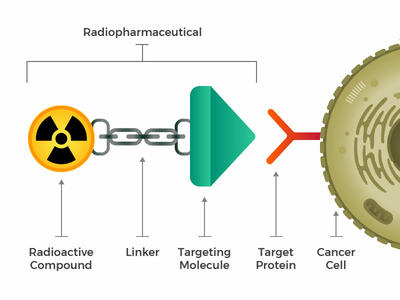
Researchers are developing a new class of cancer drugs called radiopharmaceuticals, which deliver radiation therapy directly and specifically to cancer cells. This Cancer Currents story explores the research on these emerging therapies.
-
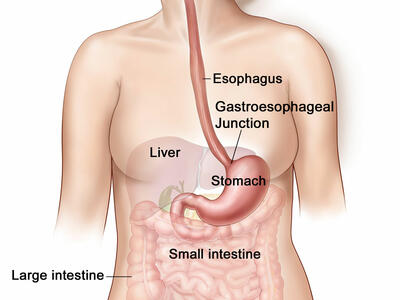
For some people with advanced stomach cancer, the drug nivolumab (Opdivo) plus chemotherapy may improve how long they live, results from a large clinical trial show. The trial also included patients with gastric cancers that involve the esophagus.
-
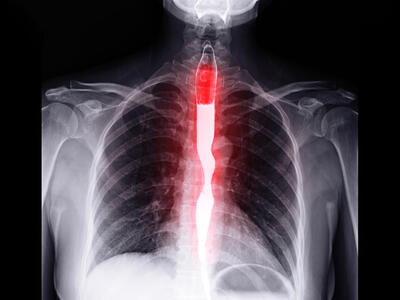
For some people with advanced esophageal cancer, the immunotherapy drugs pembrolizumab (Keytruda) and nivolumab (Opdivo) may become part of early treatment for the disease, according to results from two large clinical trials.
-
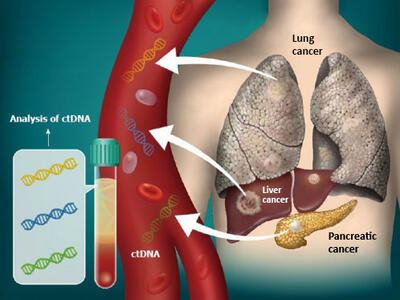
FDA has recently approved two blood tests, known as liquid biopsies, that gather genetic information to help inform treatment decisions for people with cancer. This Cancer Currents story explores how the tests are used and who can get the tests.
-
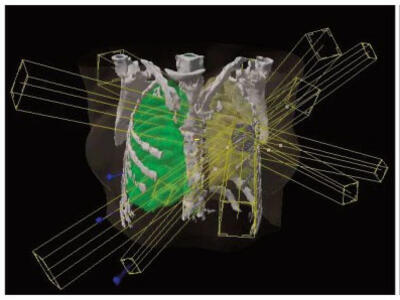
People with oligometastatic cancer have only a few metastatic tumors. Researchers are studying whether treating these individual tumors directly with surgery or stereotactic body radiation therapy (SBTR or SABR) can help patients live longer or improve their quality of life.
-
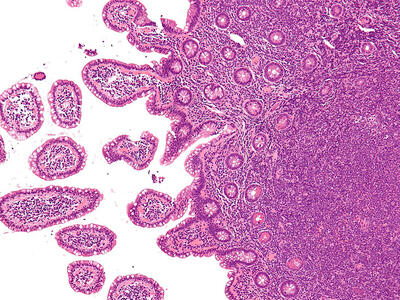
A CAR T-cell therapy called brexucabtagene autoleucel (Tecartus) has been approved by the Food and Drug Administration (FDA) for some patients with mantle cell lymphoma. This is the third CAR T-cell therapy approved by FDA for patients with cancer.
-
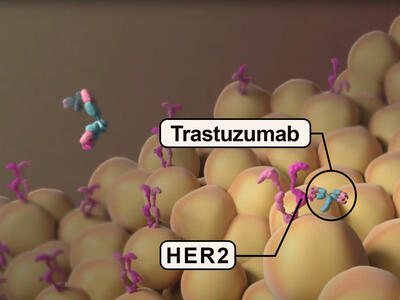
For some women with HER2-positive uterine serous carcinoma, a rare type of endometrial cancer, treating them with trastuzumab (Herceptin) and chemotherapy may help them live longer, according to updated results from a small clinical trial.
-
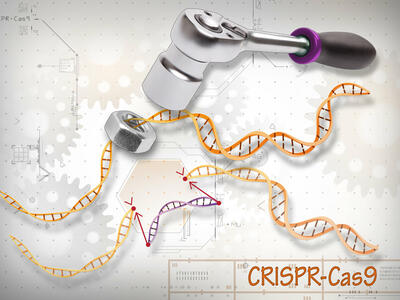
The gene-editing tool CRISPR is changing the way scientists study cancer, and may change how cancer is treated. This in-depth blog post describes how this revolutionary technology is being used to better understand cancer and create new treatments.
-

In a study of more than 50,000 veterans with lung cancer, those with mental illness who received mental health treatment—including for substance use—lived substantially longer than those who didn’t participate in such programs.