
Clinical Trial Results - Cancer Currents Blog
Reports on findings from cancer clinical trials, with commentary from leading researchers on how the trial results will affect patient care.
-

In the largest-ever randomized trial testing vitamin D for cancer prevention, the supplement did not lower the risk of developing cancer. The Vitamin D and Omega-3 Trial (VITAL) includes a nationally representative sample of nearly 26,000 participants.
-
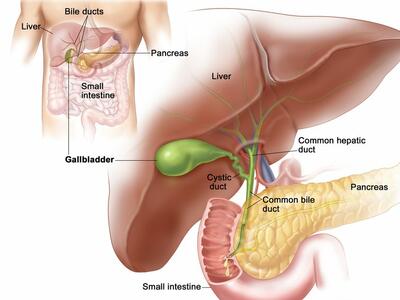
In an early-phase trial, dabrafenib plus trametinib shrank tumors in patients with biliary tract cancer and adenocarcinoma of the small intestine whose tumors had a specific mutation in the BRAF gene.
-
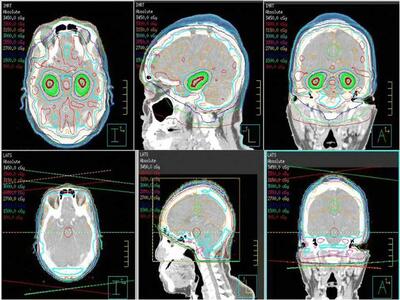
Results from a clinical trial suggest that, in patients with brain metastases, an advanced radiotherapy technique limits harm to patients’ cognitive function without affecting the treatment’s effect on tumors.
-
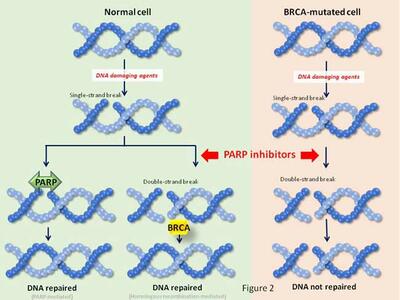
In a recent trial, the PARP inhibitor olaparib substantially delayed ovarian cancer from coming back after the first line of chemotherapy. Could the findings change the standard of care for newly diagnosed ovarian cancer with a BRCA mutation?
-
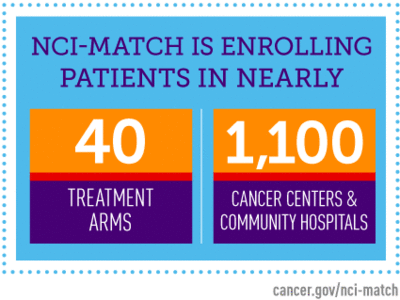
NCI’s Dr. Lyndsay Harris provides an update on the NCI-MATCH trial, including the opening of new trial treatment arms and the addition of new laboratories to perform testing on tumor samples of prospective trial participants.
-
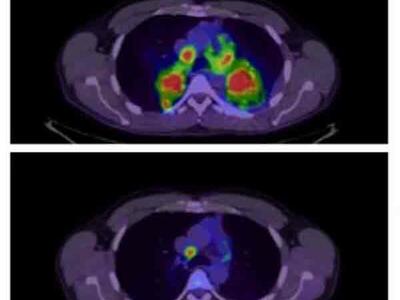
Results from two large clinical trials should cement the value of the drugs brigatinib (Alunbrig) and durvalumab (Imfinzi) in treating non-small cell lung cancer (NSCLC). The trial results, several experts said, confirm that the drugs can improve the outcomes of patients with advanced NSCLC.
-
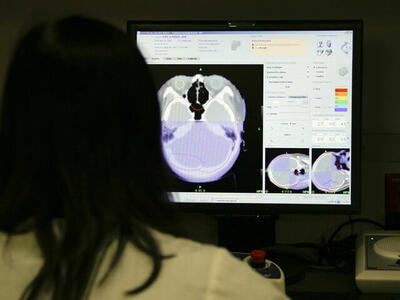
Results from a clinical trial show that the combination of nivolumab (Opdivo) and ipilimumab (Yervoy) halted the growth of or shrank metastatic brain tumors in more than half of participants with melanoma that had spread to the brain.
-
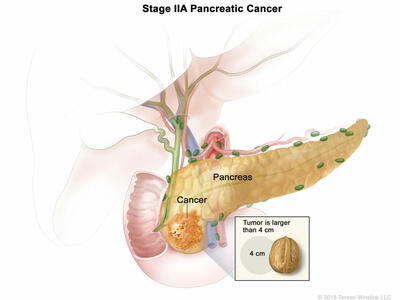
Results from two clinical trials are expected to improve the outlook for some people with early-stage pancreatic cancer. Altering the chemotherapy drugs used and the timing of treatment substantially improved survival.
-
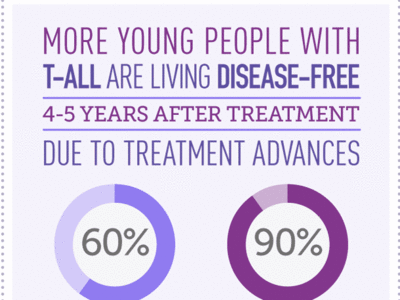
This NCI-funded Children’s Oncology Group trial tested the addition of nelarabine (Arranon) to standard treatment for children and young adults with T-cell acute lymphoblastic leukemia (T-ALL).
-

In a phase 2 clinical trial, the investigational drug selumetinib shrank tumors in some children with the genetic syndrome neurofibromatosis type 1 (NF1). The tumors, called neurofibromas, can cause pain, difficulty breathing or walking, and disfigurement.