
Treatment - Cancer Currents Blog
Cancer treatment related news, with context from leading experts. Includes articles on new therapies, treatment side effects, and important trends in treatment-related research.
-
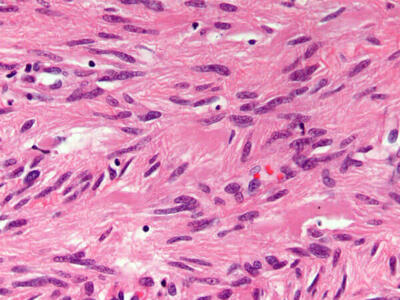
Two new targeted therapies have shown promise in patients with gastrointestinal stromal tumors (GIST) that have developed resistance to standard therapies.
-
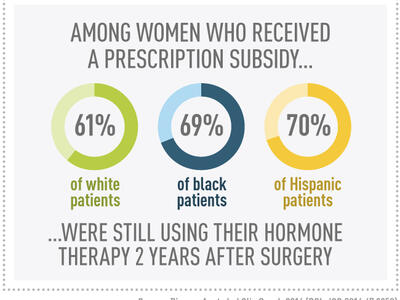
A new study has found that subsidies for prescription drugs can improve the use of adjuvant therapy in women with early-stage breast cancer and help reduce disparities in the use of these proven treatments among black and Hispanic women.
-

Scientists have designed a device that measures the mass of single cancer cells to predict how cells respond to drug treatment. The technology could potentially help clinicians determine whether a drug effectively kills cancer cells.
-
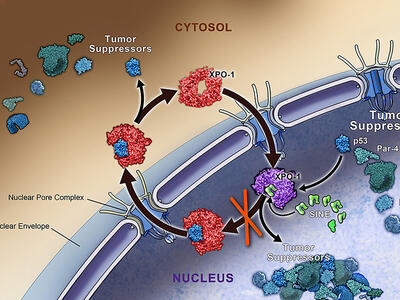
Findings from a new study from NCI researchers could help predict whether a tumor will respond to a new class of promising cancer drugs, and identifies a potential way to overcome that resistance.
-
A new study has identified a potentially critical vulnerability in lung cancers that have mutations in the KRAS gene, and showed that a drug already under study may be able to exploit it.
-
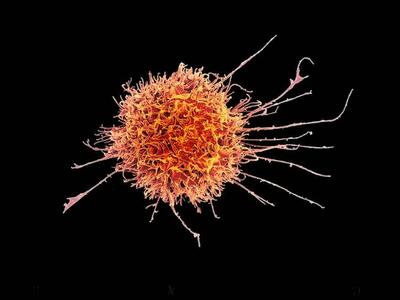
Researchers have developed an immunotherapy approach that uses immune cells whose natural cancer killing abilities have been enhanced in the lab. In a small clinical trial, the treatment led to remissions in about half of patients with acute myeloid leukemia.
-
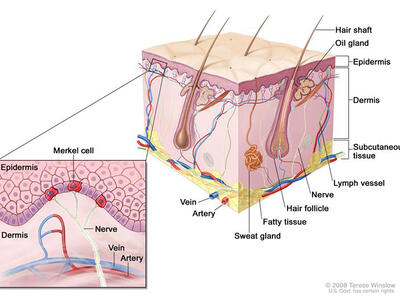
In a phase II clinical trial, some patients with metastatic Merkel cell carcinoma whose cancer has progressed despite treatment with chemotherapy had durable tumor responses to the immunotherapy drug avelumab.
-

In a recent study, researchers showed that a new approach may provide a safer way to perform stem cell transplants for treating cancer and other diseases.
-
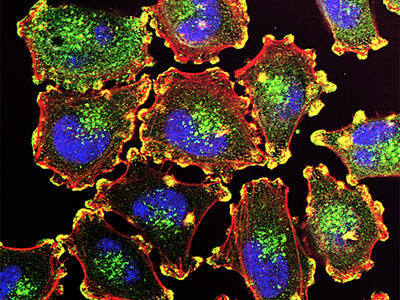
A study suggests that doctors could use circulating tumor DNA to quickly identify patients who are responding to T-cell transfer immunotherapy.
-
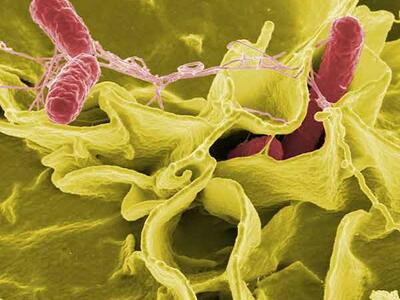
A nanoparticle that mimics Salmonella may help to counteract chemotherapy resistance, according to a new study.