
Prevention - Cancer Currents Blog
Cancer prevention news, with comments from leading scientists. Topics include preventive interventions for those at increased risk of cancer, protective behaviors, and more.
-

Dr. Barbara Rimer, chair of the President’s Cancer Panel, summarizes the panel’s recent report on the HPV vaccine, which includes priorities and strategies to ensure that more people receive this critical cancer vaccine.
-

In the largest-ever randomized trial testing vitamin D for cancer prevention, the supplement did not lower the risk of developing cancer. The Vitamin D and Omega-3 Trial (VITAL) includes a nationally representative sample of nearly 26,000 participants.
-

Researchers are testing a topical-gel form of the drug tamoxifen to see if it can help prevent breast cancer as effectively as the oral form of the drug but with fewer side effects.
-
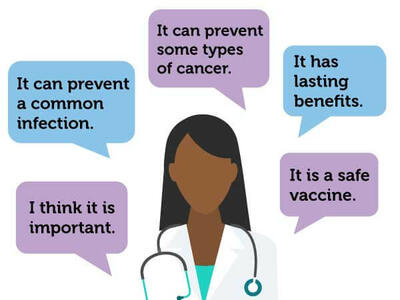
Health care providers should emphasize cancer prevention when discussing HPV vaccination with the parents of preteens who are due to receive the vaccine, results from a new study show.
-
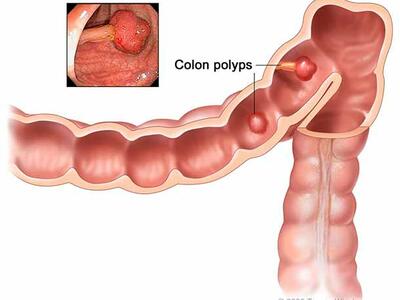
People with FAP, an inherited condition that greatly increases their risk of gastrointestinal cancer, who took the drugs erlotinib (Tarceva) and sulindac (Aflodac) saw a substantial decrease in the number of precancerous lesions in the colon and rectum.
-
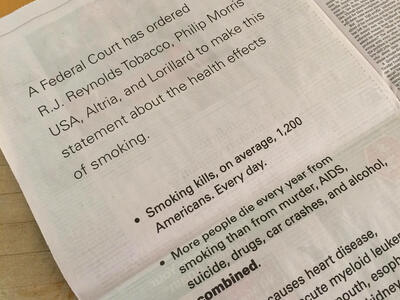
November 26, 2017, marked a unique moment in US public health history, with the major US tobacco companies issuing the first in a series of court-ordered "corrective statements" about their products.
-
The experimental vaccine targets a protein found at elevated levels in about 90% of the most common type of ovarian cancer. If validated in human studies, researchers believe the vaccine may be particularly useful for women who carry BRCA1 and BRCA2 gene mutations.
-
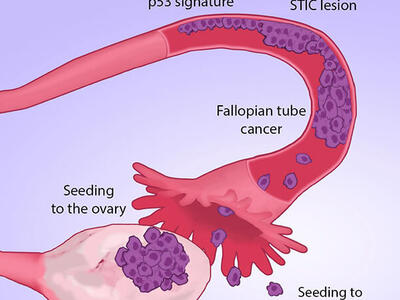
A new study provides more evidence that the most common form of ovarian cancer may originate in the fallopian tubes, and that there is a window of nearly 7 years between development of fallopian tube lesions and the start of ovarian cancer.
-
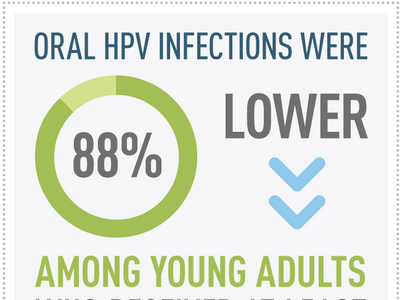
A study of more than 2,600 young adults found that the prevalence of oral infection with four HPV types, including two cancer-causing types, was 88% lower in those who reported receiving at least one dose of an HPV vaccine than in those not vaccinated.
-
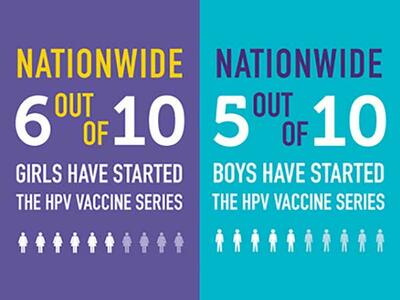
Updated CDC recommendations advise those younger than age 15 need only two doses of the HPV vaccine instead of three.