
Technology - Cancer Currents Blog
News and commentaries on technology used to conduct cancer research, deliver cancer treatment, improve patient care, and screen for cancer, as well as other topics.
-
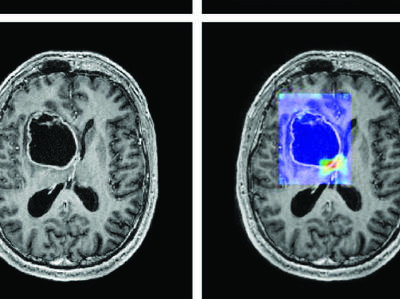
Researchers have been developing artificial intelligence (AI) tools that could make cancer imaging faster, more accurate, and more informative. But there are also questions about whether these tools are ready for doctors’ offices, whether they will actually help people, and whether that benefit will reach all—or only some—patients.
-

Experts say studies are needed on how to best transition telehealth from a temporary solution during the pandemic to a permanent part of cancer care that’s accessible to all who need it.
-
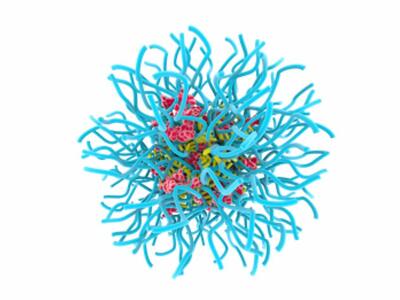
A nanoparticle coating may help cancer drugs reach medulloblastoma tumors in the brain and make the treatment less toxic. Mice treated with nanoparticles containing palbociclib (Ibrance) and sapanisertib lived substantially longer than those treated with either drug alone.
-

The success of mRNA vaccines for COVID-19 could help accelerate research on using mRNA vaccine technology to treat cancer, including the development of personalized cancer vaccines.
-
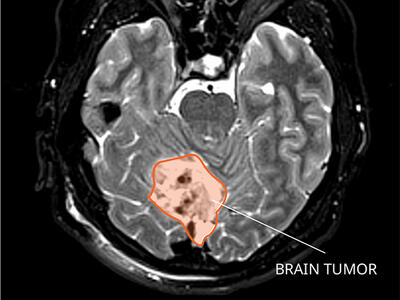
A new test could potentially be used to identify children treated for medulloblastoma who are at high risk of their cancer returning. The test detects evidence of remaining cancer in DNA shed from medulloblastoma tumor cells into cerebrospinal fluid.
-
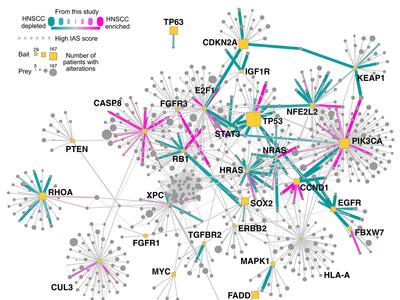
A research team has identified common interactions between cancer-related proteins in cancer cells. They also created a map of how these protein complexes function in those cells and identified a promising treatment target for head and neck cancer.
-

For people with acute myeloid leukemia and related cancers, a new study shows whole-genome sequencing could replace a series of conventional tests used to help guide decisions about treatment.
-

Researchers have developed synthetic antibodies, called diabodies, that block the activity of two of the most notorious cancer-related proteins, RAS and p53. In experiments in mice, the synthetic antibodies shrank tumors with these mutated proteins.
-
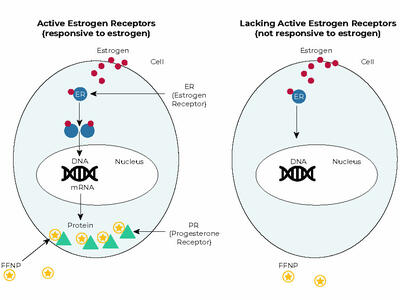
For some people with ER-positive breast cancer, a new imaging test may help guide decisions about receiving hormone therapy, according to a new study. The test can show whether estrogen receptors in tumors are active and responsive to estrogen.
-

A large study from an international group of researchers provides reassurance that cancer models, known as PDX mice, largely retain the genetics of the human tumors from which they were created. PDX mice are increasingly used in cancer research.