
Clinical Trial Results - Cancer Currents Blog
Reports on findings from cancer clinical trials, with commentary from leading researchers on how the trial results will affect patient care.
-
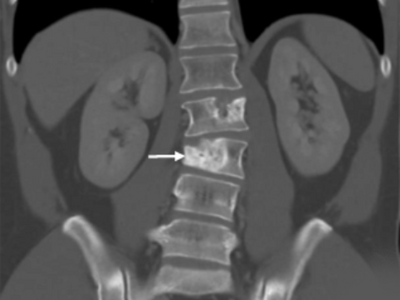
Treatment with atezolizumab (Tecentriq) shrank tumors in about 40% of people with alveolar soft part sarcoma, including one complete response, new clinical trial findings show. Some people were later able to stop treatment without the cancer returning.
-

The cholesterol-lowering drug atorvastatin (Lipitor) may help reduce the risk of heart failure in people with lymphoma who receive chemotherapy drugs called anthracyclines, results from a clinical trial suggest. Anthracyclines, such as doxorubicin, are used to treat many types of cancer.
-

Treating craniopharyngioma often requires surgery, radiation therapy, or both. But results of a study suggest that, for many, combining the targeted therapies vemurafenib (Zelboraf) and cobimetinib (Cotellic) may substantially delay, or even eliminate, the need for these treatments.
-
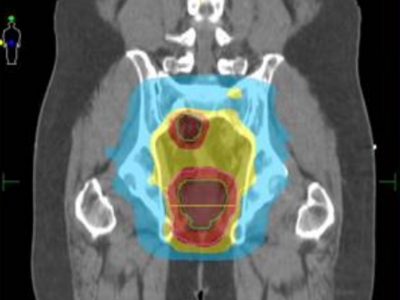
Radiation may not be needed for people undergoing surgery for rectal cancer, a large clinical trial has shown. A combination of two chemotherapy drugs before surgery appears to be as effective as chemo and radiation and may spare patients from long-term side effects.
-

A large clinical trial has shown that in people with blood cancers, a cyclophosphamide-based regimen better protects against graft-versus-host-disease (GVHD) after an allogeneic stem cell transplant than the standard regimen.
-
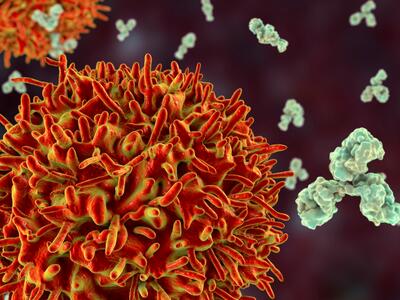
New findings show that the CAR T-cell therapy axicabtagene ciloleucel (Yescarta) improved survival for people with large B-cell lymphoma that was not responding to initial treatment or had quickly relapsed. The new results from the ZUMA-7 trial offer real hope for this group of patients.
-
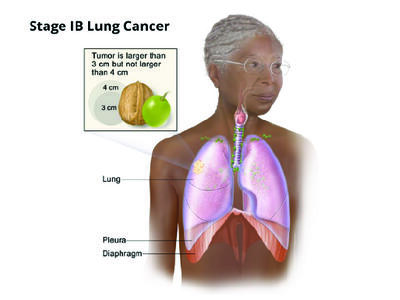
In the ADAURA clinical trial, people with early-stage lung cancer treated with osimertinib (Tagrisso) after surgery lived longer than people treated with a placebo after surgery. Despite some criticisms about its design, the trial is expected to change patient care.
-

In a large clinical trial, vorasidenib slowed the growth of low-grade gliomas that had mutations in the IDH1 or IDH2 genes. Vorasidenib is the first targeted drug developed specifically to treat brain tumors.
-

Giving the drug blinatumomab (Blincyto) after standard chemotherapy substantially increased survival for infants with an aggressive form of acute lymphoblastic leukemia (ALL), a recent study showed. If confirmed in larger studies, the treatment may become standard therapy for infants with ALL caused by KMT2A rearrangements.
-

In a new study, providing rural women with an interactive video about cancer screening and follow-up calls with patient navigators helped get them up to date on screenings for breast, cervical, and colorectal cancer.