
FDA Approvals - Cancer Currents Blog
News on recent approvals of cancer therapies by the Food and Drug Administration. Includes expert comments on how the approval will influence patient care and future research.
-
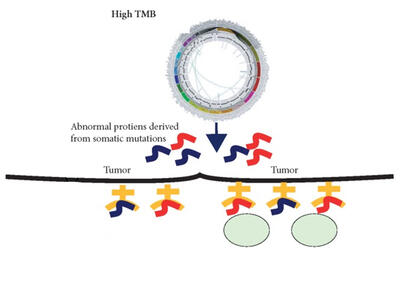
FDA’s approval of pembrolizumab (Keytruda) to treat people whose cancer is tumor mutational burden-high highlights the importance of genomic testing to guide treatment, including for children with cancer, according to NCI Director Dr. Ned Sharpless.
-
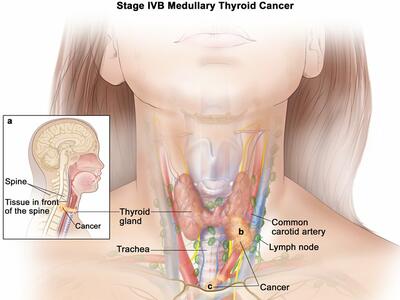
FDA has granted accelerated approval for selpercatinib (Retevmo) to treat certain patients with thyroid cancer or non-small cell lung cancer whose tumors have RET gene alterations. The drug, which works by blocking the activity of RET proteins, was approved based on the results of the LIBRETTO-001 trial.
-
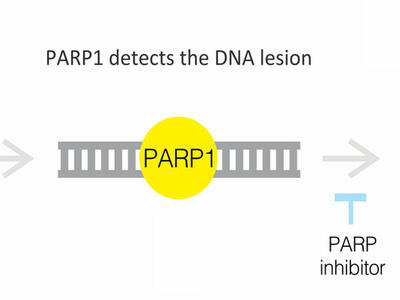
FDA has approved olaparib (Lynparza) and rucaparib (Rubraca) to treat some men with metastatic prostate cancer. The PARP inhibitors are approved for men whose cancers have stopped responding to hormone treatment and have specific genetic alterations.
-
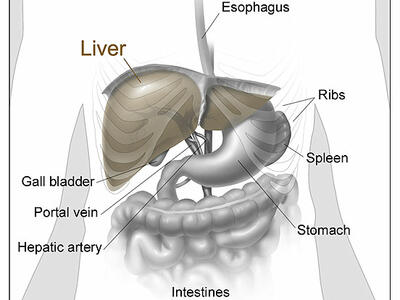
FDA has approved atezolizumab (Tecentriq) plus bevacizumab (Avastin) as an initial treatment for some people with advanced liver cancer. This is the first approval in 13 years for a treatment that is more effective than the current standard, sorafenib.
-
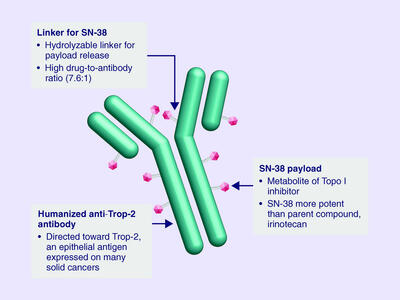
FDA has approved sacituzumab govitecan (Trodelvy) for the treatment of triple-negative breast cancer that has spread to other parts of the body. Under the approval, patients must have already undergone at least two prior treatment regimens.
-

The Food and Drug Administration has approved encorafenib (Braftovi) in combination with cetuximab (Erbitux) to treat adults with metastatic colorectal cancer whose tumors have a specific mutation in the BRAF gene, called V600E.
-

The Food and Drug Administration (FDA) has approved selumetinib (Koselugo) to treat children with neurofibromatosis 1 (NF1), a genetic disorder that causes tumors, called plexiform neurofibromas, to form throughout the nervous system.
-
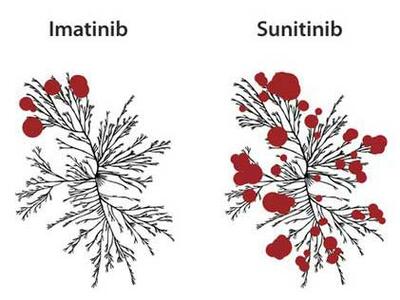
Avapritinib (Ayvakit) has been approved for adults with gastrointestinal stromal tumors (GIST) whose tumors have an alteration in a portion of the PDGFRA gene called exon 18. The approval applies to those whose tumors cannot be removed with surgery or have spread.
-
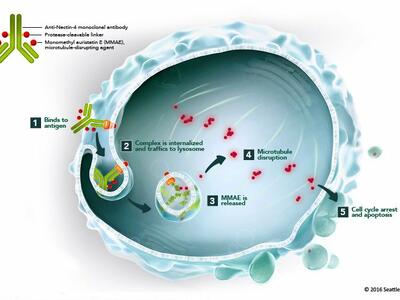
Enfortumab vedotin-ejfv (Padcev) has been approved for people with advanced bladder cancer. FDA granted the drug accelerated approval for cancers that have progressed despite previous treatments.
-
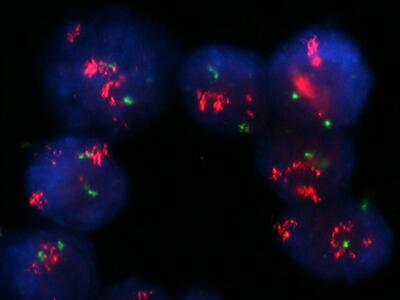
Tucatinib improved survival for women in the HER2CLIMB trial, including some whose cancer had spread to the brain. Trastuzumab deruxtecan improved survival and shrank many tumors in the DESTINY-Breast01 trial, which led to its accelerated approval.