
Prevention - Cancer Currents Blog
Cancer prevention news, with comments from leading scientists. Topics include preventive interventions for those at increased risk of cancer, protective behaviors, and more.
-

An NCI Cancer Currents blog post about the NCI Global Cancer Research Symposium, which examined ways of increasing research collaboration, particularly in cancer prevention and screening, to reduce the cancer burden.
-
Cancer researchers are increasingly exploring how cancer risk is influenced by genetic predisposition to cancer and the effects of environmental exposures, and what this means for cancer prevention.
-

“Moles to Melanoma: Recognizing the ABCDE Features” presents photos that show changes in individual pigmented lesions over time, and describes the different appearances of moles, dysplastic nevi, and melanomas.
-

In a small clinical trial of people with an inherited condition that greatly increases gastrointestinal cancer risk, a two-drug combination shrank precancerous lesions in the duodenum.
-
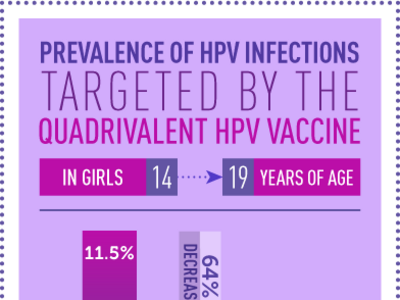
Infection with human papillomavirus (HPV) types targeted by the quadrivalent HPV vaccine has declined by nearly two-thirds among teenage girls since HPV vaccination was recommended in the United States.
-
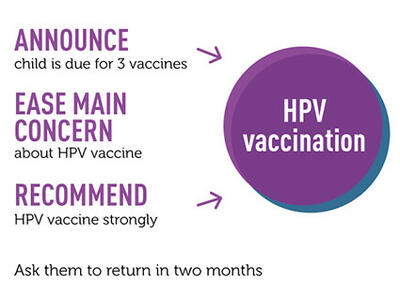
Following the release of a consensus statement from the NCI-Designated Cancer Centers urging HPV vaccination in the United States, Dr. Noel Brewer discusses the country’s low vaccination rates and how clinicians can help to improve them.
-
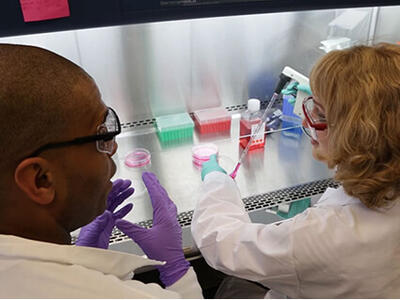
Researchers are pioneering new approaches to preventing and screening for cancer, and the management of very early-stage disease.
-

A recent NCI-sponsored conference brought together leading screening and cancer control researchers to discuss the state of the science of precision screening for five cancers.
-

Women in a clinical trial who became pregnant after vaccination with a bivalent human papillomavirus (HPV) vaccine did not have an increased risk of miscarriage.
-

Study estimates about 1.6 million fewer women and 400,000 fewer men tan indoors, but it’s still a common practice.