
2022 - Cancer Currents Blog
-

Regular skin cancer screening leads to many diagnoses of very early-stage melanomas, results from a new study suggest. The results add to a debate about whether screening is fueling an overdiagnosis of melanoma in the United States.
-
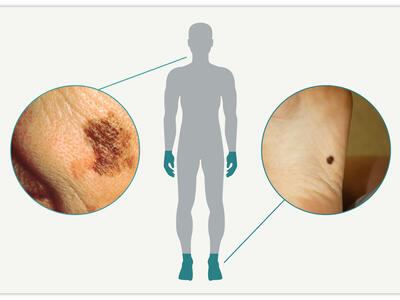
Whether cells with cancer-related genetic changes will develop into tumors may partly depend on their location in the body, a new study finds. The study focused on a rare form of skin cancer, acral melanoma.
-
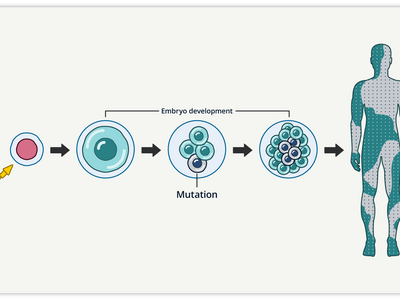
Mutations in cancer-related genes that start in embryos may be more common than once thought, a new study has shown. Finding out if a person has a mosaic mutation is important for their cancer care, according to the study leaders.
-
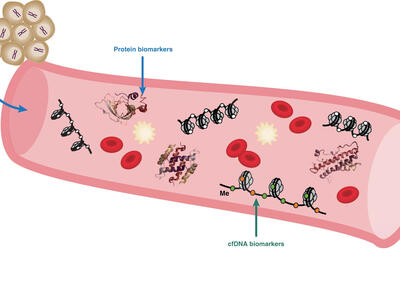
Progress has been made on developing noninvasive tests that may be able to find many cancers early. But, as NCI’s Dr. Phil Castle explains, there’s still much to learn about these multi-cancer early detection tests before they become widely used.
-

After surgery for early-stage, low-risk testicular cancer, it’s safe to monitor for a recurrence using MRI scans or fewer CT scans than are currently used, according to results from a large clinical trial.
-
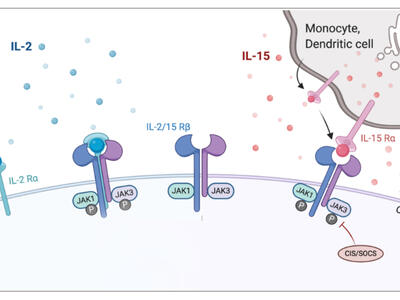
Researchers have developed tiny “drug factories” that produce an immune-boosting molecule and can be implanted near tumors. The pinhead-sized beads eliminated tumors in mice with ovarian and colorectal cancer and will soon be tested in human studies.
-
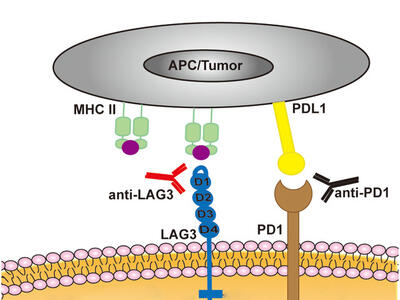
The immunotherapy treatment, which combines the LAG-3 inhibitor relatlimab and PD-1 inhibitor nivolumab, becomes the first new immune checkpoint inhibitor approved in 8 years. Both drugs are given to patients via a single infusion to treat advanced melanoma.
-
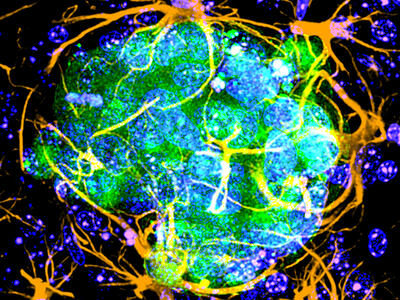
Melanoma cells that travel to the brain produce their own amyloid beta, helping the cells survive and form metastases, a new study in mice shows. The Alzheimer’s-linked proteins appear to tamp down the brain’s immune response to the cancer cells.
-
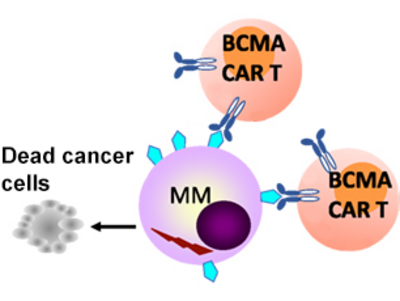
People with advanced multiple myeloma now have another option for CAR T-cell therapy with the recent approval of ciltacabtagene autoleucel (Carvykti). Like the first approved CAR T-cell therapy, Carvykti targets the BCMA protein on myeloma cells.
-
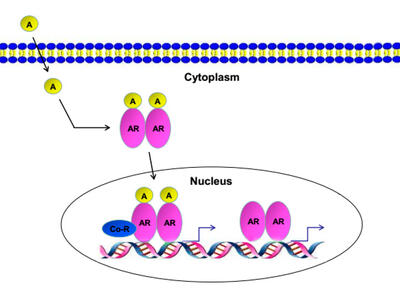
Adding darolutamide (Nubeqa) to ADT and docetaxel (Taxotere) can improve how long men with hormone-sensitive metastatic prostate cancer live without causing more side effects, results from the ARASENS trial show.