
Cancer Currents: An NCI Cancer Research Blog
A blog featuring news and research updates from the National Cancer Institute.

-

An interactive website designed to promote physical activity among children and adolescents who have completed treatment for cancer may indeed help encourage them to get regular exercise, according to preliminary results from a pilot study.
-

An analysis of data from a demonstration project led by the Veterans Health Administration may help to better define who is most likely to benefit from lung cancer screening.
-
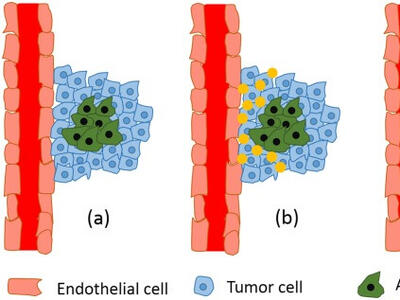
The Food and Drug Administration has approved cabozantinib (Cabometyx®) as an initial treatment for patients with advanced renal cell carcinoma, the most common type of kidney cancer.
-

A new study in mice has revealed a molecular link between a high-fat diet and the growth and spread of prostate cancer. The findings, the study leaders believe, raise the possibility that changes in diet could potentially improve treatment outcomes in some men.
-
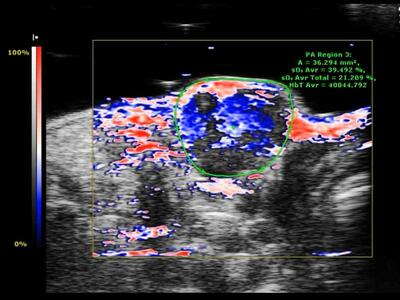
A new study in mice raises the possibility that using microscopic, oxygen-carrying bubbles may improve the effectiveness of radiation therapy in the treatment of breast cancer.
-
NCI Director Dr. Norman Sharpless discusses how NCI is retooling a grant mechanism, called the MERIT R37 Award, to help early-stage investigators by extending the length of time they can receive funding under their first independent NIH grant.
-
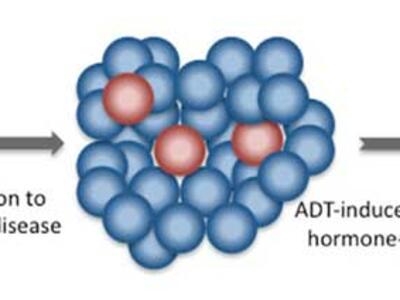
The Food and Drug Administration (FDA) has expanded the approval of abiraterone (Zytiga®) for men with prostate cancer. The agency approved abiraterone, in combination with the steroid prednisone, for men with metastatic prostate cancer that is responsive to hormone-blocking treatments (also known as castration-sensitive) and is at high risk of progressing.
-
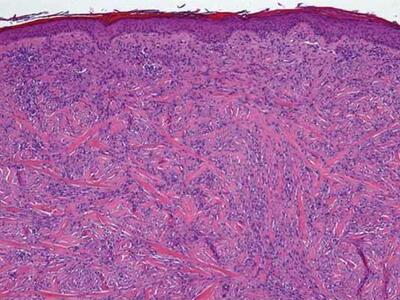
A new study suggests that patients with a rare form of melanoma, called desmoplastic melanoma, may be particularly likely to benefit from treatments known as immune checkpoint inhibitors. An NCI-sponsored clinical trial is already testing one such drug in patients with this cancer.
-

Two compounds that target components of the circadian clock killed several types of cancer cells in the lab and slowed the growth of brain tumors in mice without harming healthy cells, a new study showed.
-
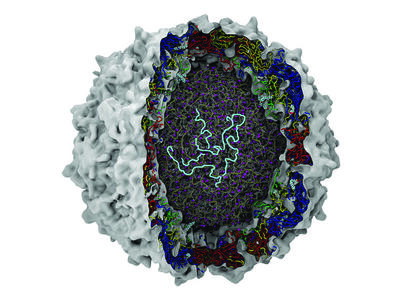
A small but growing number of patients with cancer are being treated with oncolytic viruses, which infect and kill tumor cells. But research now suggests that these treatments also work against cancer by spurring an immune response.