
Cancer Currents: An NCI Cancer Research Blog
A blog featuring news and research updates from the National Cancer Institute.

-

People with cancerous neuroendocrine tumors (NETs) that affect the digestive tract now have a new treatment option. On January 29, FDA approved the targeted treatment lutetium Lu 177 dotatate (Lutathera®) for adult patients with advanced NETs that affect the pancreas or gastrointestinal tract.
-

Using mouse models of cancer, researchers found that altering the gut microbiome could affect whether tumors responded to checkpoint inhibition.
-

An NCI-funded study has found significant differences in the genetics of acute myeloid leukemia in younger and older patients. The findings could help guide the development of treatments tailored specifically for childhood AML.
-

The drug olaparib (Lynparza®) is the first treatment approved by the Food and Drug Administration for patients with metastatic breast cancer who have inherited mutations in the BRCA1 or BRCA2 genes.
-

A new study has found the commonly used chemotherapy drug cisplatin is retained in the inner ear of mice and humans for long periods. The finding may explain why many patients treated with the drug develop hearing loss and could point toward potential ways to prevent it.
-

NCI Director Dr. Norman Sharpless discusses research on aging and cancer, including understanding the biology of aging and its relationship to cancer, the treatment of older patients, and ensuring older patients participate in cancer clinical trials.
-

Patterns of gene expression may be different in the tumors of some African Americans than in those of whites, a new study has found, and these biological differences may contribute to racial disparities in lung cancer.
-
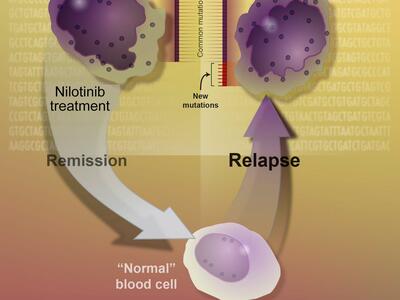
On December 22, FDA approved an update to the label of nilotinib (Tasignia) that states that some patients with CML who are taking nilotinib and whose cancer has been in remission for an extended period can safely stop taking it.
-

A type of cancer that occurs in the lower stomach has been increasing among some Americans under the age of 50, even though in the general population the incidence of all stomach cancers has been declining for decades, according to a new study.
-

Joint pain caused by aromatase inhibitors in postmenopausal women with breast cancer can cause some women to stop taking the drugs. Reducing their symptoms may translate into better adherence to therapy.