
Cancer Currents: An NCI Cancer Research Blog
A blog featuring news and research updates from the National Cancer Institute.

-
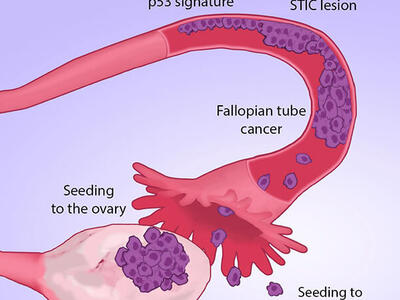
A new study provides more evidence that the most common form of ovarian cancer may originate in the fallopian tubes, and that there is a window of nearly 7 years between development of fallopian tube lesions and the start of ovarian cancer.
-
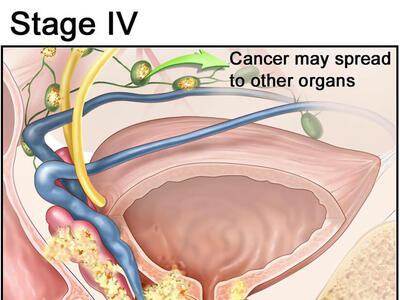
Researchers have identified an emerging subtype of metastatic prostate cancer that is resistant to therapies that block hormones that fuel the disease.
-
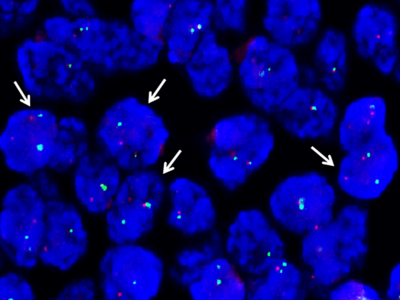
From experiments in cells and mice, researchers have identified a two-drug combination that kills more Ewing sarcoma cells than either drug on its own. The study findings could help inform future clinical trials.
-

Research studies show tests that analyze tumor DNA in blood, called liquid biopsies, may help detect cancer early, guide precision cancer treatment, and track treatment response.
-
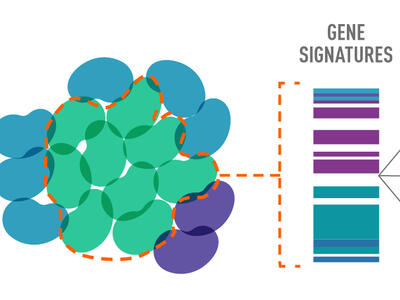
A new study suggests that the cells in treatment-resistant tumors in women with metastatic breast cancer share important characteristics that could potentially make tumors vulnerable to therapies that otherwise might not have been considered.
-
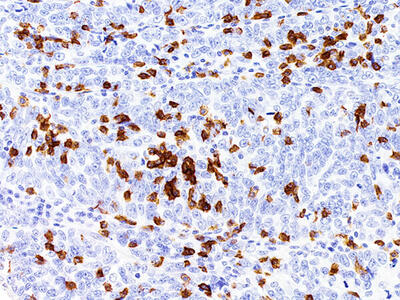
A large international study suggests that the presence of certain immune cells within the tumors of some patients with ovarian cancer are associated with improved survival.
-

Norman Sharpless, M.D., discusses his appointment as the director of the National Cancer Institute and his plans for continuing NCI’s long tradition of research excellence and commitment to improving people’s lives.
-
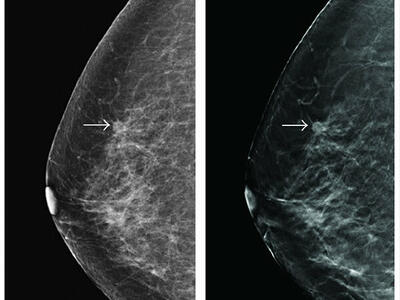
A large nationwide clinical trial called TMIST has been launched to compare two techniques used for mammograms: tomosynthesis, often called 3D mammography, and standard 2D digital mammography.
-
FDA approved abemaciclib (Verzenio™) for the treatment of some people with advanced or metastatic HR-positive, HER2-negative breast cancer whose disease has progressed after treatment with hormone therapy.
-
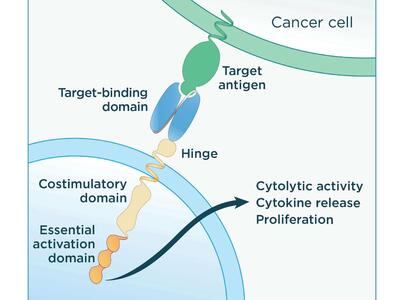
One month after approving the first CAR T-cell therapy for cancer, FDA has approved a second such therapy. The treatment, axicabtagene ciloleucel (Yescarta™), was approved for some patients with advanced non-Hodgkin lymphoma.