
Cancer Currents: An NCI Cancer Research Blog
A blog featuring news and research updates from the National Cancer Institute.

-

Many women who receive taxane-based chemotherapy to treat breast cancer experience long-term nerve damage, or peripheral neuropathy, data from a large clinical trial show.
-
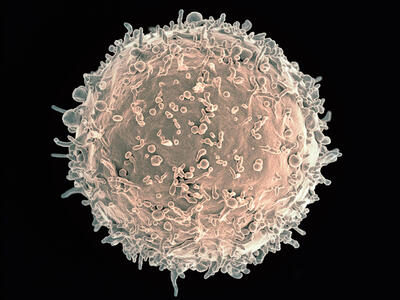
FDA has approved inotuzumab (Besponsa®) for some adults with B-cell acute lymphoblastic leukemia (ALL). The approval covers patients with B-cell ALL whose disease has relapsed or is refractory to standard chemotherapy.
-
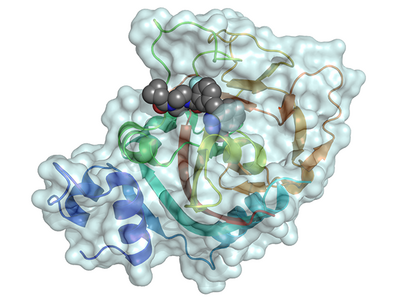
FDA has granted regular approval to olaparib tablets (Lynparza®) as maintenance treatment for patients with recurrent ovarian cancer who are having partial or complete responses to platinum-based chemotherapy.
-

In a large study, patients with nonmetastatic breast, lung, or colorectal cancer who chose alternative therapies had substantially worse survival than patients who received conventional cancer treatments.
-
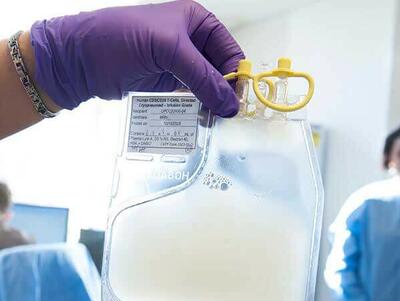
FDA has approved tisagenlecleucel (Kymriah™), a type of immunotherapy called CAR T-cell therapy, for some children and young adults with advanced acute lymphoblastic leukemia (ALL).
-
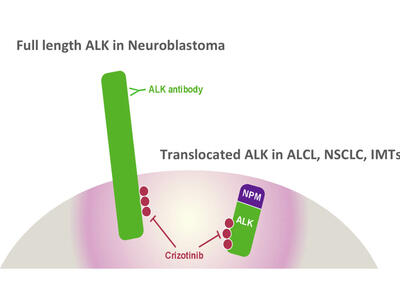
In a small clinical trial, the drug crizotinib shrank tumors in children with cancers that have alterations in the ALK gene.
-
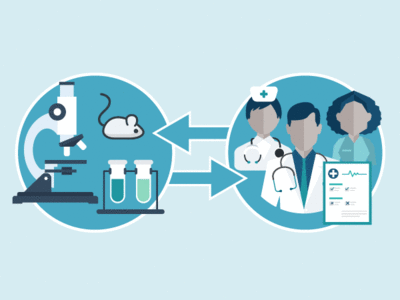
Researchers recognized the potential of endoxifen as a treatment for breast cancer and, with NCI support, developed the compound into a drug now being tested in clinical trials.
-

Researchers have used modified stem cells to deliver a cancer drug selectively to metastatic breast cancer tumors in mice. The stem cells target metastatic tumors by homing in on the stiff environment that typically surrounds them.
-
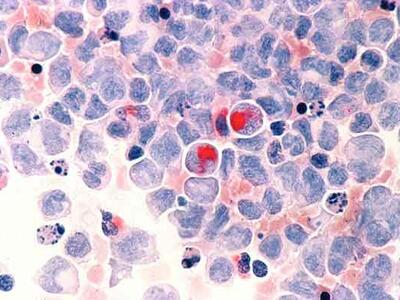
FDA has approved two new treatments for some adult patients with acute myeloid leukemia (AML): enasidenib (Idhifa®), which targets the IDH2 protein; and liposomal cytarabine-daunorubicin CPX-351 (Vyxeos®), a two-drug chemotherapy combination encapsulated in liposomes.
-
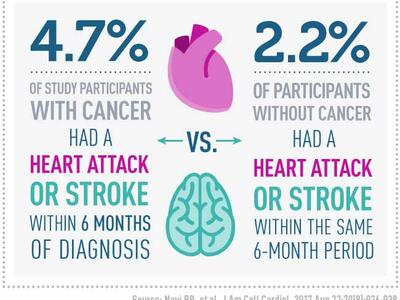
A diagnosis of cancer can come with an increased risk of a heart attack or stroke in the months after beginning treatment, a new study suggests. Within 6 months of a diagnosis, the risk of either event was more than twice that seen in people without cancer.