
Cancer Currents: An NCI Cancer Research Blog
A blog featuring news and research updates from the National Cancer Institute.

-
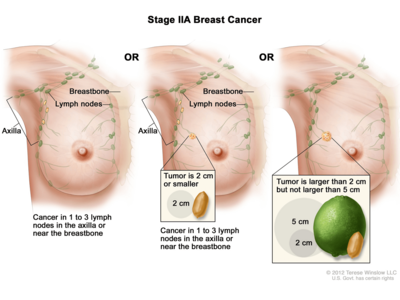
FDA has approved neratinib for patients with early-stage HER2-positive breast cancer who have finished at least 1 year of adjuvant therapy with trastuzumab.
-

NCI’s Small Business Innovation Research Program recently issued contract solicitations to spur the development of new cancer-related therapies and technologies, including seven opportunities specific to the Cancer Moonshot.
-
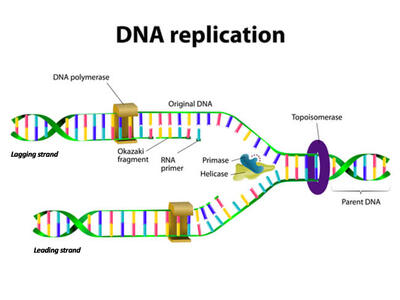
FDA has granted accelerated approval to the immunotherapy drug nivolumab (Opdivo®) for patients with metastatic colorectal cancer whose tumors have alterations that affect DNA repair.
-
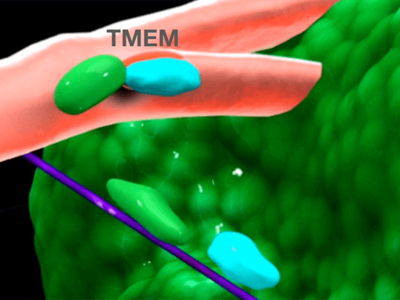
A new study conducted primarily in mice suggests that chemotherapy given before surgery for breast cancer can cause changes in cells in and around the tumor that are tied to an increased risk of the cancer spreading to other areas of the body.
-

A drug used to treat several blood cancers, ibrutinib, has been approved by FDA to treat chronic graft-versus-host disease, making it the first approved therapy for this potentially fatal side effect of cancer-related stem cell transplants.
-
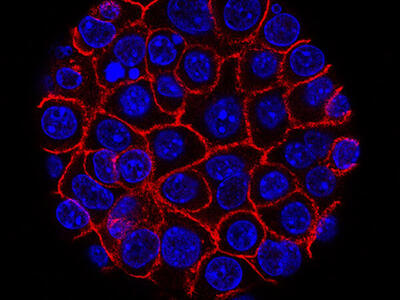
A new blood test that measures levels of two specific proteins may be able to accurately detect pancreatic cancer at its earliest stages, when it is most likely to respond to treatment, findings from a new study suggest.
-

The Discovery Channel special, First in Human, will feature some of the groundbreaking work on cancer immunotherapy being done at the NIH Clinical Center, including CAR T-cell therapy and TIL therapy.
-
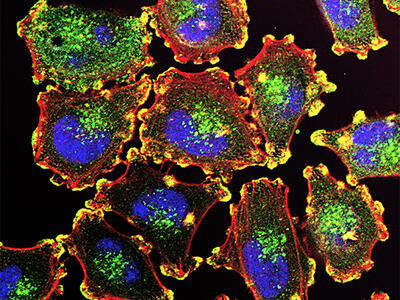
Results of an early-phase trial showed that a treatment vaccine personalized to a specific patient’s cancer generated a robust immune response against the cancer and may have helped to prevent it from returning.
-
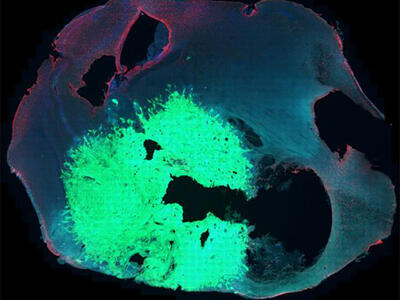
Progress against the brain cancer glioblastoma has been slow. Drs. Mark Gilbert and Terri Armstrong of NCI’s Neuro-Oncology Branch discuss why and what’s being done to change that.
-

Many survivors of early-stage breast cancer prefer that their oncologist handle aspects of routine medical care usually overseen by primary care practitioners, leading to concerns about gaps in care.