
Cancer Currents: An NCI Cancer Research Blog
A blog featuring news and research updates from the National Cancer Institute.

-
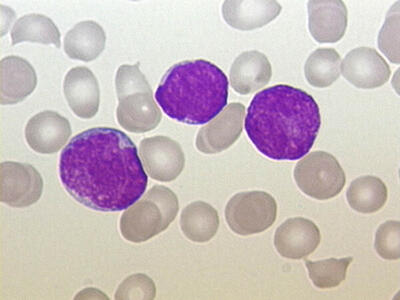
FDA changed its accelerated approval of blinatumomab (Blincyto) for some patients with acute lymphoblastic leukemia to a full approval and expanded the approved indications for its use.
-
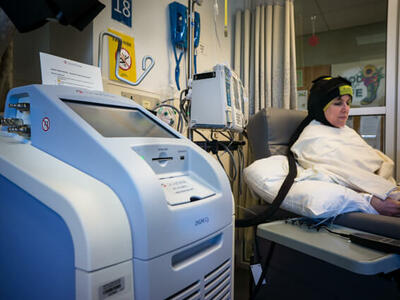
The FDA has cleared a cooling cap—a device designed to reduce hair loss during chemotherapy called the DigniCap Scalp Cooling System—for use by patients with any type of solid tumor.
-

FDA approved the combination of dabrafenib (Tafinlar®) and trametinib (Mekinist®) for the treatment of metastatic non-small cell lung cancer (NSCLC) that has an alteration in the BRAF gene called the V600E mutation.
-
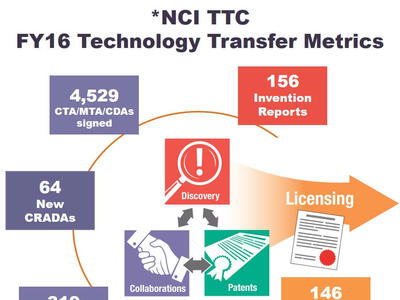
An interview with Dr. Michael Salgaller about how NCI’s Technology Transfer Center helps to move new technologies developed by NCI and NIH scientists from the lab to the bedside.
-
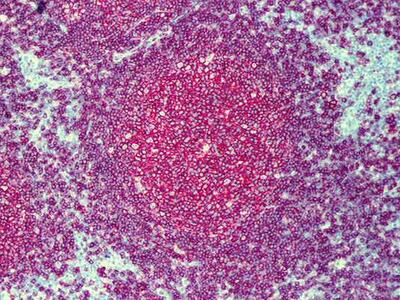
The FDA has approved a new formulation of rituximab, Rituxan Hycela, that reduces treatment administration time for patients with several types of blood cancer.
-
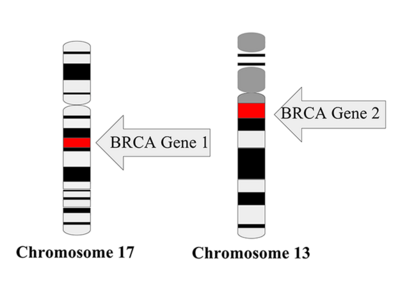
Results from the first large prospective study of breast and ovarian cancer risk in women with inherited mutations in the BRCA 1 or BRCA2 genes confirm the high risks estimated from earlier, retrospective studies.
-

NCI’s CURE program recently celebrated its 21st anniversary of providing training and other support to improve the diversity of people involved in cancer research and care.
-

Studies continue to show disparities in cancer outcomes for people who live in rural parts of the United States. NCI’s Dr. Robert Croyle explains how the institute is working with multiple partners to better understand and address these disparities.
-

Researchers who study exceptional responders—patients who have dramatic and long-lasting responses to treatments for cancer that were not effective for most similar patients—met recently to discuss the state of the science in this emerging field.
-
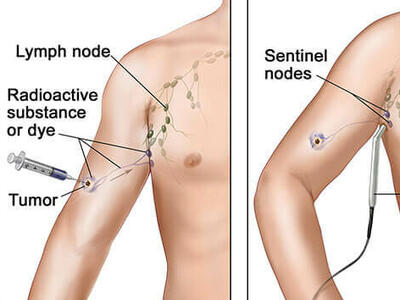
A conservative approach to lymph node removal surgery may be best for people with melanoma that has spread from the skin to one or a small number of nearby lymph nodes, new results from a large international clinical trial suggest.