
Cancer Currents: An NCI Cancer Research Blog
A blog featuring news and research updates from the National Cancer Institute.

-

NCI’s Dr. James Gulley discusses cancer checkpoint inhibitors, their impact on patient care, and future directions for these therapies.
-
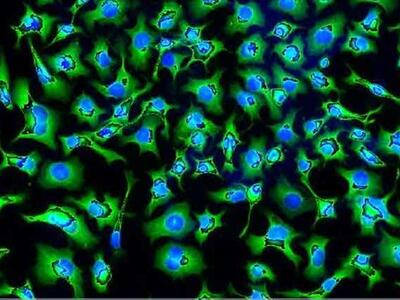
An international research team has identified a possible new treatment target for pediatric neuroblastoma and is planning an early-stage clinical trial of a drug that inhibits this target.
-
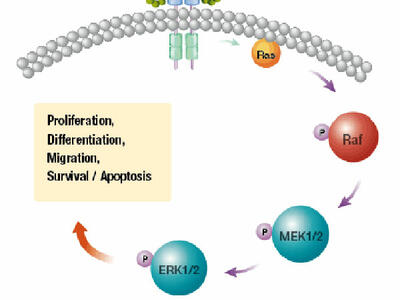
The FDA has approved the targeted drug cobimetinib, in combination with another targeted therapy, to treat patients with advanced melanoma whose tumors have specific genetic mutations.
-

Two small RNAs that are frequently deleted from cancer cells may help suppress tumors by interacting with RAS proteins, a new study suggests.
-
NCI is designing smaller, quicker, and smarter clinical trials that incorporate the principal tenets of precision medicine.
-

In the most comprehensive study of its kind conducted to date, more than 8 percent of children with cancer were found to have inherited genetic mutations associated with a predisposition to the disease.
-
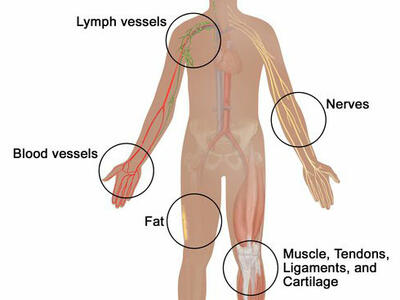
The FDA has approved trabectedin for patients with advanced liposarcoma and leiomyosarcoma whose cancer has progressed after prior treatment.
-
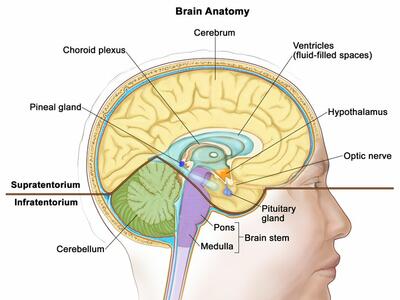
A patient with a papillary craniopharyngioma saw his tumor shrink more than 80 percent after treatment with a targeted drug that inhibits a mutant form of the BRAF protein.
-
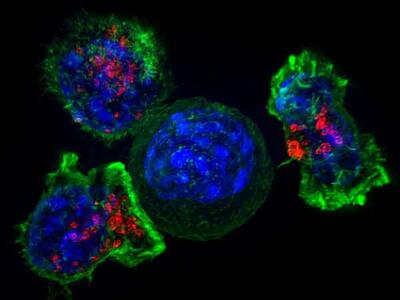
Patients with lung cancer are benefiting from the boom in targeted and immune-based therapies. With a series of precision medicine trials, NCI is keeping pace with the rapidly changing treatment landscape for lung cancer.
-
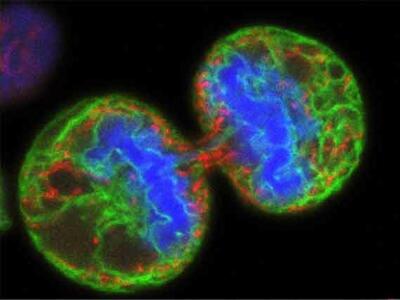
The FDA has approved the first oncolytic virus therapy, talimogene laherparepvec (T-VEC). The drug was approved for the treatment of metastatic melanoma that cannot be removed surgically.