
Treatment - Cancer Currents Blog
Cancer treatment related news, with context from leading experts. Includes articles on new therapies, treatment side effects, and important trends in treatment-related research.
-
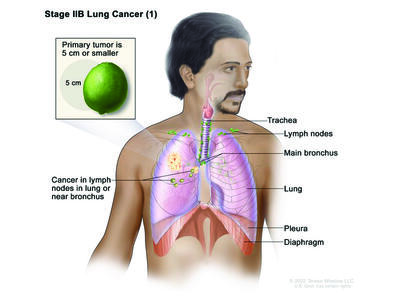
Giving people with early-stage lung cancer the immunotherapy drug nivolumab (Opdivo) and chemotherapy before surgery can substantially delay the progression or return of their cancer, a large clinical trial found.
-

For some people with acute myeloid leukemia (AML) that has a mutation in the IDH1 gene, combining ivosidenib (Tibsovo) with the chemotherapy drug azacitidine may be a new treatment option, according to results from a large clinical trial.
-
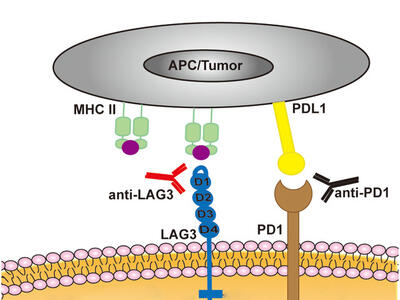
The immunotherapy treatment, which combines the LAG-3 inhibitor relatlimab and PD-1 inhibitor nivolumab, becomes the first new immune checkpoint inhibitor approved in 8 years. Both drugs are given to patients via a single infusion to treat advanced melanoma.
-
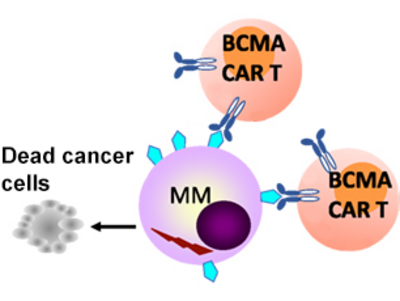
People with advanced multiple myeloma now have another option for CAR T-cell therapy with the recent approval of ciltacabtagene autoleucel (Carvykti). Like the first approved CAR T-cell therapy, Carvykti targets the BCMA protein on myeloma cells.
-
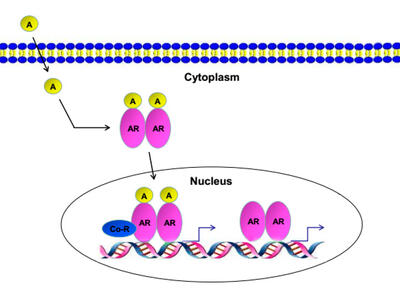
Adding darolutamide (Nubeqa) to ADT and docetaxel (Taxotere) can improve how long men with hormone-sensitive metastatic prostate cancer live without causing more side effects, results from the ARASENS trial show.
-
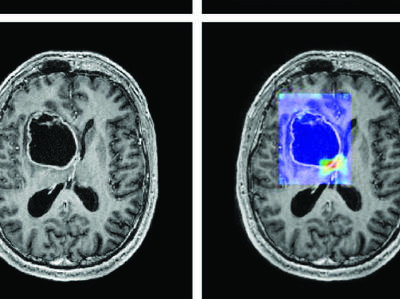
Researchers have been developing artificial intelligence (AI) tools that could make cancer imaging faster, more accurate, and more informative. But there are also questions about whether these tools are ready for doctors’ offices, whether they will actually help people, and whether that benefit will reach all—or only some—patients.
-

Women are more likely than men to experience severe side effects from cancer treatments such as chemotherapy, targeted therapy, and immunotherapy, a new study finds. Researchers hope the findings will increase awareness of the problem and help guide patient care.
-

New results from a large study show that trametinib (Mekinist) is an effective treatment for low-grade serous ovarian cancer. The findings are the first strong evidence that this rare type of ovarian cancer should be treated differently from other forms of the disease.
-

Experts say studies are needed on how to best transition telehealth from a temporary solution during the pandemic to a permanent part of cancer care that’s accessible to all who need it.
-
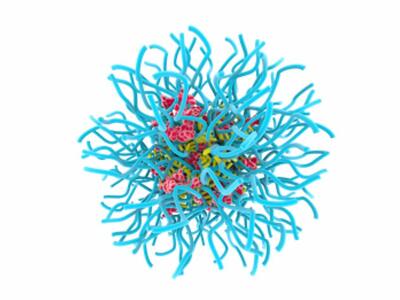
A nanoparticle coating may help cancer drugs reach medulloblastoma tumors in the brain and make the treatment less toxic. Mice treated with nanoparticles containing palbociclib (Ibrance) and sapanisertib lived substantially longer than those treated with either drug alone.