
Cancer Currents: An NCI Cancer Research Blog
A blog featuring news and research updates from the National Cancer Institute.

-

Clinical trial finds that ipilimumab (Yervoy) and nivolumab (Opdivo) combo is superior to a combination of the targeted therapies dabrafenib (Tafinlar) and trametinib (Mekinist) as the first treatment for metastatic BRAF-positive melanoma.
-

For older adults with advanced cancer, a geriatric assessment can help direct their treatment, a new study shows. In the study, patients whose care was guided by a geriatric assessment experienced fewer serious side effects and falls in their homes.
-

Cancer cells can shed a protein called DDR1 that helps collagen proteins create dense barriers around tumors. A study in mice showed these barriers can prevent immune cells from entering and killing tumors.
-
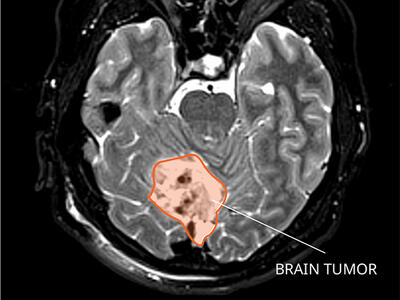
A new test could potentially be used to identify children treated for medulloblastoma who are at high risk of their cancer returning. The test detects evidence of remaining cancer in DNA shed from medulloblastoma tumor cells into cerebrospinal fluid.
-

Most breast cancer risk tools were developed with data mainly from White women and don’t work as well for Black women. A new tool that estimates risk for Black women may help identify those who might benefit from earlier screening, enabling earlier diagnosis and treatment.
-

Many with prostate cancer can safely receive shorter, higher-dose radiation therapy after surgery, a new study has found. The approach, called HYPORT, didn’t harm patients’ quality of life compared with the standard radiation approach, trial finds.
-
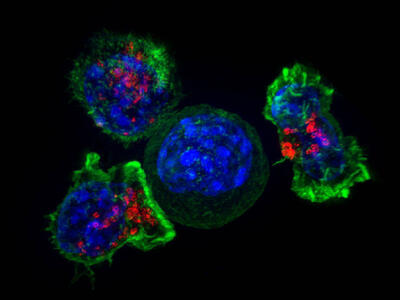
The CAR T-cell therapy Tecartus has become the first such treatment approved by FDA to treat adults with acute lymphoblastic leukemia (ALL). The approval is for patients whose cancer has not responded to treatment or returned after treatment.
-
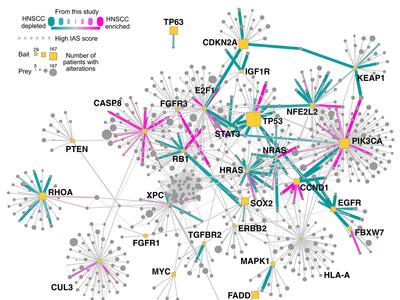
A research team has identified common interactions between cancer-related proteins in cancer cells. They also created a map of how these protein complexes function in those cells and identified a promising treatment target for head and neck cancer.
-
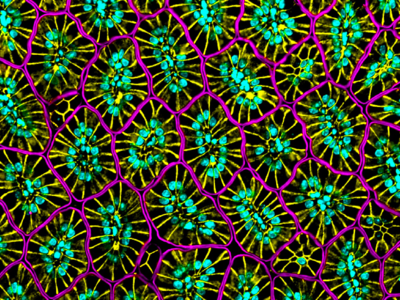
Excess fructose can promote obesity and colorectal cancer, a new study shows. In mice, the study found that the sweetener, a component of table sugar and high-fructose corn syrup, increased how long normal and cancer cells in the intestines live.
-
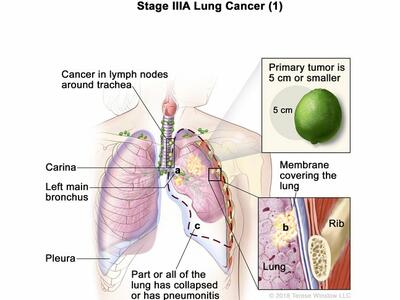
Atezolizumab (Tecentriq) is now the first immunotherapy approved by FDA for use as an additional, or adjuvant, treatment for some patients with non-small cell lung cancer. The approval was based on results of a clinical trial called IMpower010.