
Cancer Currents: An NCI Cancer Research Blog
A blog featuring news and research updates from the National Cancer Institute.

-
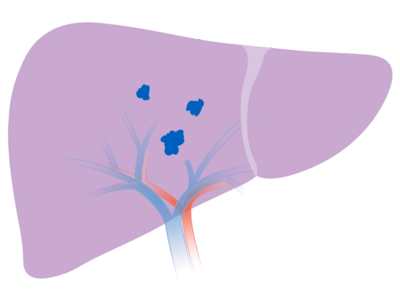
For some people with hepatocellular carcinoma (HCC), the most common type of liver cancer, a liver transplant is the only hope for a cure. A new study shows a high 10-year survival rate for people who got a liver transplant after their tumors were “downstaged” to become eligible for a transplant.
-

Abnormal collagen that is formed only by pancreatic cancer cells ramps up activity that increases tumor growth and survival, a study found. In mice, blocking production or effects of the abnormal collagen made treatment for pancreatic cancer more effective.
-

Inflammation is considered a hallmark of cancer. Researchers hope to learn more about whether people with cancer might benefit from treatments that target inflammation around tumors. Some early studies have yielded promising results and more are on the horizon.
-
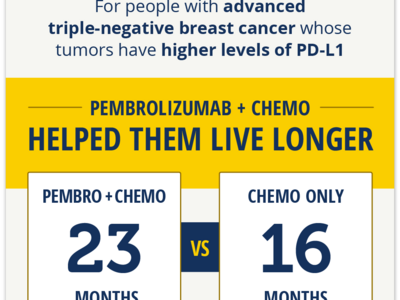
Adding the immunotherapy drug pembrolizumab (Keytruda) to chemotherapy can help some patients with advanced triple-negative breast cancer live longer. In the KEYNOTE-355 trial, overall survival improved among patients whose tumors had high levels of the PD-L1 protein.
-
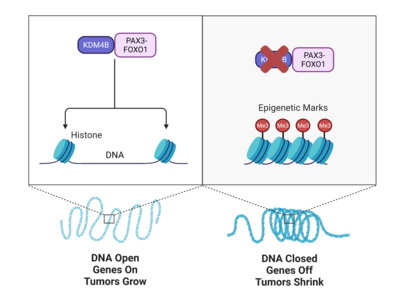
The fusion protein that drives the growth and survival of some rhabdomyosarcoma tumors relies on the KDM4B enzyme, researchers have found. Treating mice with a KDM4B-blocking drug and chemotherapy nearly eliminated rhabdomyosarcoma tumors with the fusion protein.
-

Regular visits and calls from community health workers showed many benefits for those with advanced cancers, from greater use of palliative care to improved quality of life, a new study has shown.
-
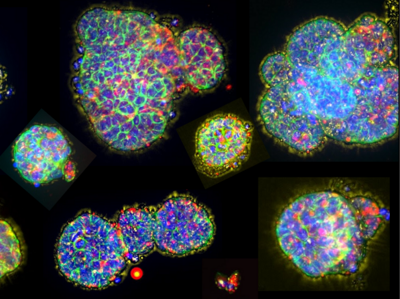
A research team hopes to offer oncologists a new tool to guide treatment choices for their patients. In a small study, a tumor model called micro-organospheres accurately predicted whether patients would respond to their chemotherapy treatment.
-

NCI researchers are developing an immunotherapy that involves injecting protein bits from cytomegalovirus (CMV) into tumors. The proteins coat the tumor, causing immune cells to attack. In mice, the treatment shrank tumors and kept them from returning.
-
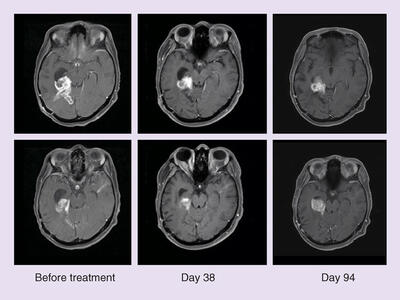
FDA has approved the combination of the targeted drugs dabrafenib (Tafinlar) and trametinib (Mekinist) for nearly any type of advanced solid tumor with a specific mutation in the BRAF gene. Data from the NCI-MATCH trial informed the approval.
-
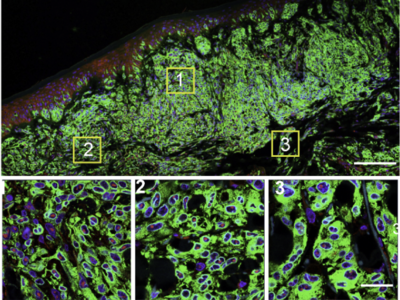
Male patients with metastatic melanoma don’t live as long as females, and their tumors are more likely to become resistant to commonly used treatments. A new study may help explain why: the androgen receptor.