
2022 - Cancer Currents Blog
-
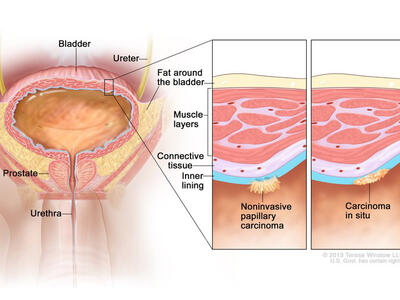
The standard treatment for high-risk non-muscle-invasive bladder cancer (NMIBC), a drug called BCG, has been in shortage for a decade. Bladder cancer experts agree that gemcitabine and docetaxel offers an effective alternative to BCG, after a study showed that 82% of patients with high-risk NMIBC treated with the combination were alive 2 years later without their cancer returning.
-
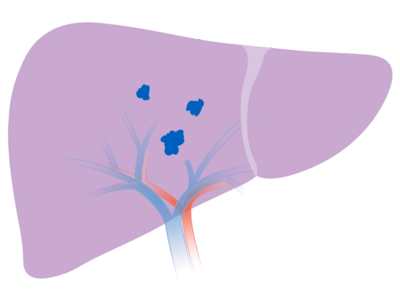
For some people with hepatocellular carcinoma (HCC), the most common type of liver cancer, a liver transplant is the only hope for a cure. A new study shows a high 10-year survival rate for people who got a liver transplant after their tumors were “downstaged” to become eligible for a transplant.
-

Abnormal collagen that is formed only by pancreatic cancer cells ramps up activity that increases tumor growth and survival, a study found. In mice, blocking production or effects of the abnormal collagen made treatment for pancreatic cancer more effective.
-

Inflammation is considered a hallmark of cancer. Researchers hope to learn more about whether people with cancer might benefit from treatments that target inflammation around tumors. Some early studies have yielded promising results and more are on the horizon.
-
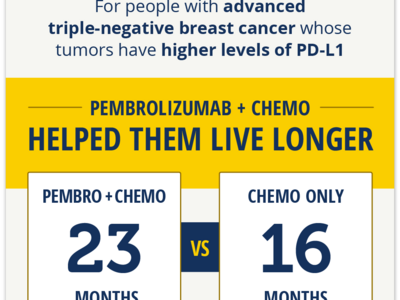
Adding the immunotherapy drug pembrolizumab (Keytruda) to chemotherapy can help some patients with advanced triple-negative breast cancer live longer. In the KEYNOTE-355 trial, overall survival improved among patients whose tumors had high levels of the PD-L1 protein.
-
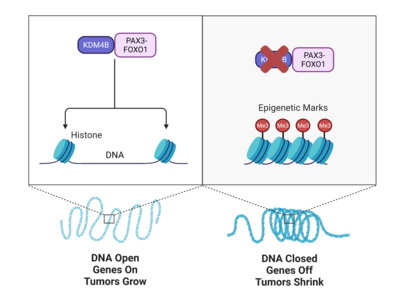
The fusion protein that drives the growth and survival of some rhabdomyosarcoma tumors relies on the KDM4B enzyme, researchers have found. Treating mice with a KDM4B-blocking drug and chemotherapy nearly eliminated rhabdomyosarcoma tumors with the fusion protein.
-

Regular visits and calls from community health workers showed many benefits for those with advanced cancers, from greater use of palliative care to improved quality of life, a new study has shown.