
Survivorship & Supportive Care - Cancer Currents Blog
News on research that affect cancer patients and survivors. Topics include managing treatment side effects, fertility preservation, and cancer’s long-term effects.
-

A program in Texas helped minority and medically underserved cancer survivors get much more physical activity, according to a new study. Participants also reported improved physical functioning and quality of life.
-

When it comes to cancer drugs, researchers are moving away from a paradigm called the maximum tolerated dose. Instead, they’re focusing more on identifying doses that produce fewer side effects but are still effective against a person’s cancer.
-

Assessing and offering people with cancer stepped collaborative care may help better manage symptoms of depression, pain, and fatigue than the standard referral to providers for treatment, according to a recent study.
-
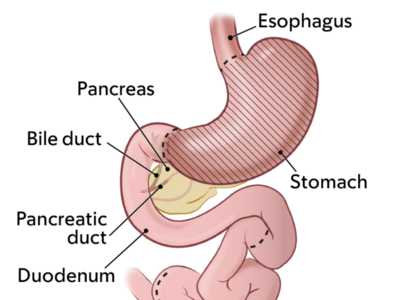
In a recent study, more than 90% of people who’d had their stomach surgically removed to prevent cancer experienced a least one chronic complication 2 years out from their surgery. For some, the complications are life altering.
-

In a clinical trial, people being treated for cancer who participated in virtual mind–body fitness classes were less likely to be hospitalized, and had shorter stays when they were hospitalized, than people who did not take the classes.
-

In a survey of more than 100 US community cancer clinics, only 16% routinely screened informal caregivers of their patients for distress. In contrast, more than 90% regularly screened patients for distress and provided referrals to supportive care services.
-

Many people being treated for cancer and longer-term cancer survivors reported regularly drinking alcohol—some heavily and often, a new study shows. The study’s leaders said the findings should be “wake-up call” for cancer care providers.
-

The cholesterol-lowering drug atorvastatin (Lipitor) may help reduce the risk of heart failure in people with lymphoma who receive chemotherapy drugs called anthracyclines, results from a clinical trial suggest. Anthracyclines, such as doxorubicin, are used to treat many types of cancer.
-

An NCI-supported study called OPTIMUM, part of the Cancer Moonshot, was launched to improve the care of people with brain tumors called low-grade glioma in part by bringing them into glioma-related research.
-

A large clinical trial has shown that in people with blood cancers, a cyclophosphamide-based regimen better protects against graft-versus-host-disease (GVHD) after an allogeneic stem cell transplant than the standard regimen.