
Treatment - Cancer Currents Blog
Cancer treatment related news, with context from leading experts. Includes articles on new therapies, treatment side effects, and important trends in treatment-related research.
-
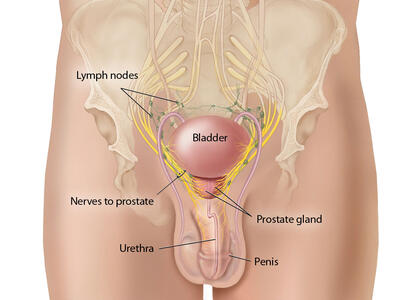
An analysis of records from a national cancer treatment database has found that many men with penile cancer that has not spread beyond nearby lymph nodes did not undergo lymph node biopsy or receive chemotherapy, as recommended by widely used professional guidelines.
-
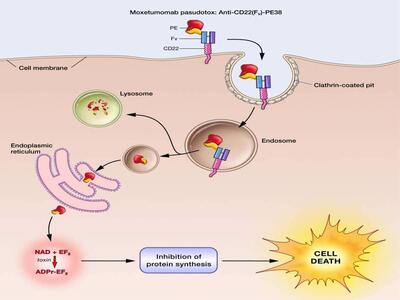
A new study has identified a possible strategy for improving the efficacy of a toxin-based cancer treatment, moxetumomab pasudotox, in some patients with acute lymphoblastic leukemia (ALL).
-

Initial results from a series of three small clinical trials of a targeted cancer therapy called larotrectinib suggest that it may be effective in patients—children and adults—with a wide variety of cancer types.
-
The Food and Drug Administration has approved cabozantinib (Cabometyx®) as an initial treatment for patients with advanced renal cell carcinoma, the most common type of kidney cancer.
-
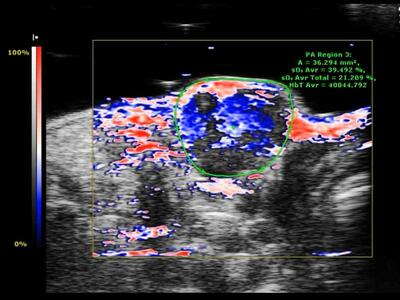
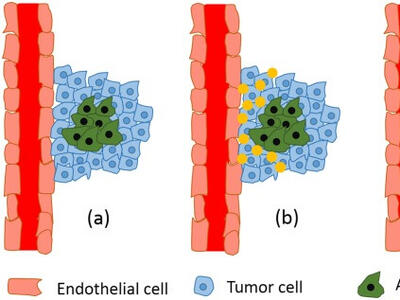
A new study in mice raises the possibility that using microscopic, oxygen-carrying bubbles may improve the effectiveness of radiation therapy in the treatment of breast cancer.
-
The Food and Drug Administration (FDA) has expanded the approval of abiraterone (Zytiga®) for men with prostate cancer. The agency approved abiraterone, in combination with the steroid prednisone, for men with metastatic prostate cancer that is responsive to hormone-blocking treatments (also known as castration-sensitive) and is at high risk of progressing.
-
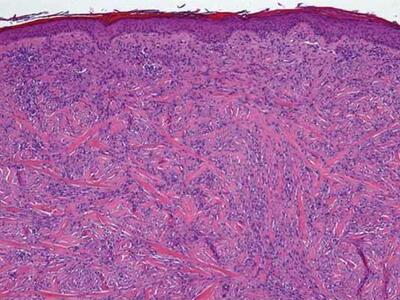
A new study suggests that patients with a rare form of melanoma, called desmoplastic melanoma, may be particularly likely to benefit from treatments known as immune checkpoint inhibitors. An NCI-sponsored clinical trial is already testing one such drug in patients with this cancer.
-

Two compounds that target components of the circadian clock killed several types of cancer cells in the lab and slowed the growth of brain tumors in mice without harming healthy cells, a new study showed.
-
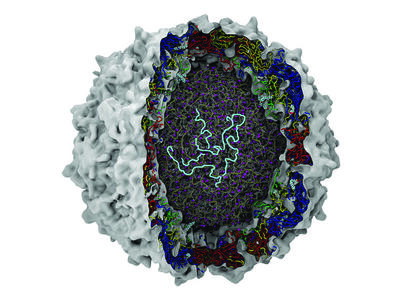
A small but growing number of patients with cancer are being treated with oncolytic viruses, which infect and kill tumor cells. But research now suggests that these treatments also work against cancer by spurring an immune response.
-

Using mouse models of cancer, researchers found that altering the gut microbiome could affect whether tumors responded to checkpoint inhibition.