
Treatment - Cancer Currents Blog
Cancer treatment related news, with context from leading experts. Includes articles on new therapies, treatment side effects, and important trends in treatment-related research.
-
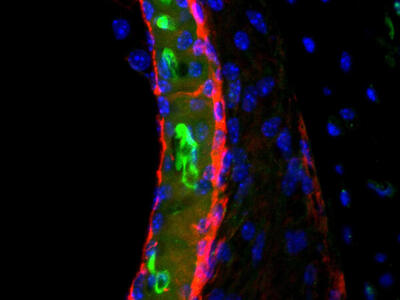
A new study has found the commonly used chemotherapy drug cisplatin is retained in the inner ear of mice and humans for long periods. The finding may explain why many patients treated with the drug develop hearing loss and could point toward potential ways to prevent it.
-
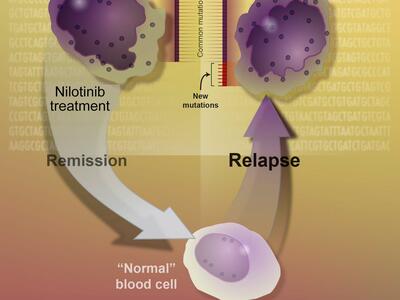
On December 22, FDA approved an update to the label of nilotinib (Tasignia) that states that some patients with CML who are taking nilotinib and whose cancer has been in remission for an extended period can safely stop taking it.
-
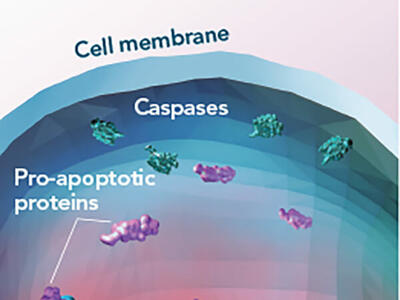
Interim results from an ongoing clinical trial show that patients with relapsed or refractory chronic lymphocytic leukemia treated with rituximab plus venetoclax have longer progression-free survival compared with patients treated with chemotherapy.
-

In a unique clinical trial, a group of oncologists with experience treating acute promyelocytic leukemia are making themselves available around the clock to help clinicians at hospitals across the country treat their APL patients.
-
FDA has approved alectinib (Alecensa) as a first-line treatment option for patients with advanced non-small cell lung cancer that is ALK positive. Alectinib is the third ALK inhibitor to be approved in this setting.
-

Researchers have shown that fat cells can absorb two commonly used chemotherapy drugs and break them down chemically into a less toxic form, potentially reducing the drugs’ effectiveness.
-

NCI’s Dr. Glen Morgan discusses NCI’s Cancer Center Cessation Initiative, including how and why this smoking cessation initiative was developed and its long-term goals.
-
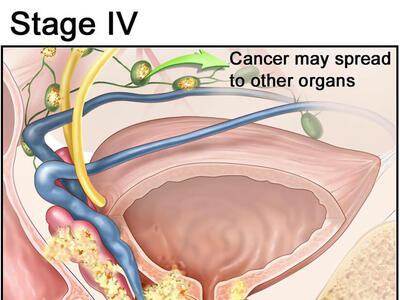
Researchers have identified an emerging subtype of metastatic prostate cancer that is resistant to therapies that block hormones that fuel the disease.
-
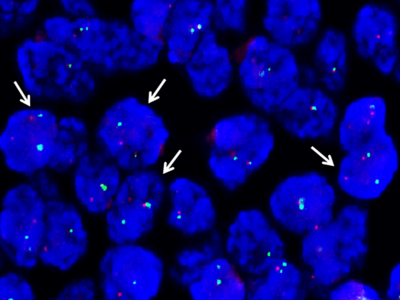
From experiments in cells and mice, researchers have identified a two-drug combination that kills more Ewing sarcoma cells than either drug on its own. The study findings could help inform future clinical trials.
-
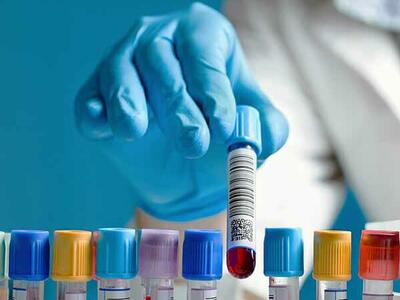
Research studies show tests that analyze tumor DNA in blood, called liquid biopsies, may help detect cancer early, guide precision cancer treatment, and track treatment response.