
Survivorship & Supportive Care - Cancer Currents Blog
News on research that affect cancer patients and survivors. Topics include managing treatment side effects, fertility preservation, and cancer’s long-term effects.
-

Women are more likely than men to experience severe side effects from cancer treatments such as chemotherapy, targeted therapy, and immunotherapy, a new study finds. Researchers hope the findings will increase awareness of the problem and help guide patient care.
-

As adults, survivors of childhood cancer aren’t any less likely to have healthy babies than those without a history of cancer, a new study shows. However, they may have more health risks during pregnancy, warranting more intensive obstetric care.
-
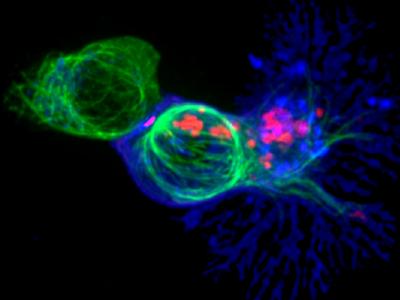
Removing immune cells called naive T cells from donated stem cells before they are transplanted may prevent chronic graft-versus-host disease (GVHD) in people with leukemia, a new study reports. The procedure did not appear to increase the likelihood of patients’ cancer returning.
-

Financial hardship caused by cancer care was common and occurred early in treatment, even for patients with insurance, a recent study found. The investigators believe financial hardship should be addressed like any other complication of cancer care.
-

For older adults with advanced cancer, a geriatric assessment can help direct their treatment, a new study shows. In the study, patients whose care was guided by a geriatric assessment experienced fewer serious side effects and falls in their homes.
-
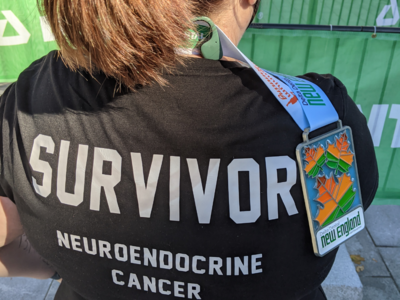
New treatments are helping more people with advanced or metastatic cancer live longer. At a recent NCI conference, survivors and researchers came together to discuss how to better address the needs of those living with metastatic cancer.
-
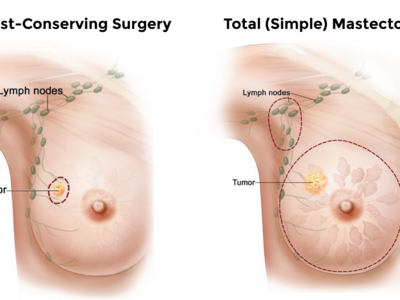
Women with early-stage breast cancer who had one or both breasts surgically removed (a unilateral or bilateral mastectomy) had lower scores on a quality-of-life survey than women who had breast-conserving surgery, a new study has found.
-
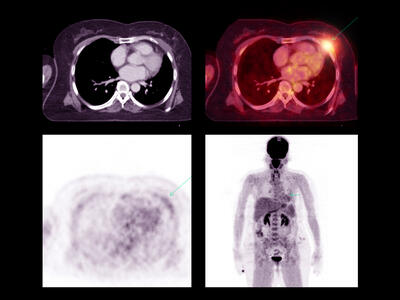
Quitting smoking after a diagnosis of early-stage lung cancer may help people live longer, a new study finds. The study, which included more than 500 patients, also found that quitting smoking delayed the cancer from returning or getting worse.
-

For women undergoing chemotherapy for breast cancer, meeting the national physical activity guidelines may help alleviate cognitive issues, a new study suggests. The benefits may be even greater for patients who were physically active before treatment.
-

According to a new study, among people with cancer in the last month of their lives, filled prescriptions for opioids to control pain have dropped and emergency room visits for pain have increased dramatically.