
Treatment - Cancer Currents Blog
Cancer treatment related news, with context from leading experts. Includes articles on new therapies, treatment side effects, and important trends in treatment-related research.
-
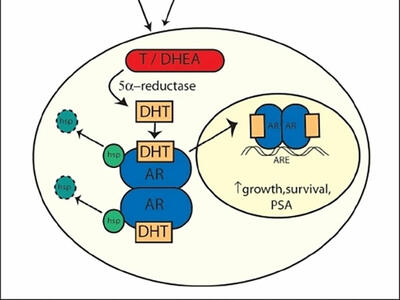
Researchers have identified a potential alternative approach to blocking a key molecular driver of an advanced form of prostate cancer, called androgen-independent or castration-resistant prostate cancer.
-
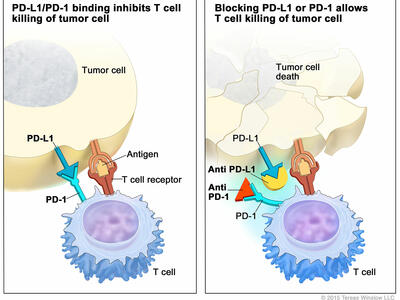
In a small clinical trial, more than half of the patients with an aggressive form of skin cancer called Merkel cell carcinoma responded to the immunotherapy drug pembrolizumab.
-
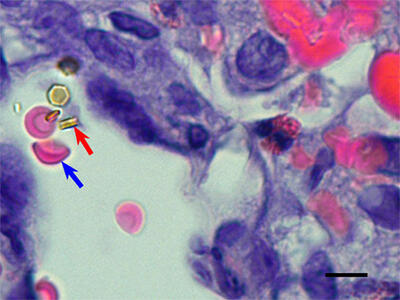
Researchers have developed a new injectable nanoparticle-generating technology that can deliver a cancer drug to the nucleus of metastatic breast cancer cells.
-
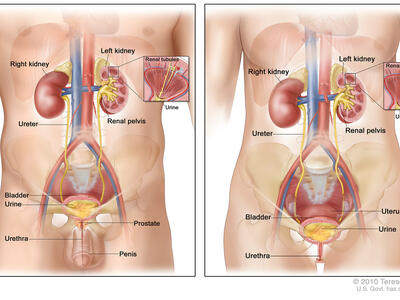
Results from a recent clinical trial show that post-surgical therapy with two anti-angiogenesis drugs does not improve progression-free survival for patients with kidney cancer and may cause serious side effects.
-
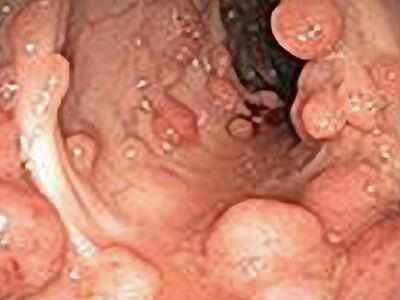
In a small clinical trial of people with an inherited condition that greatly increases gastrointestinal cancer risk, a two-drug combination shrank precancerous lesions in the duodenum.
-
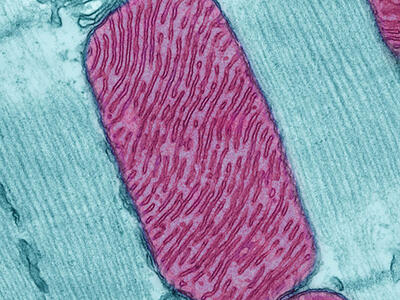
A new study shows that blocking the transfer of calcium ions (Ca2+) into mitochondria is toxic to cancer cells and impairs growth of tumors in mice, while sparing normal cells.
-
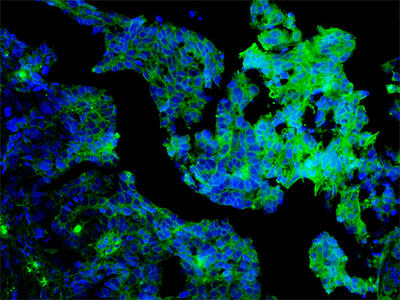
The use of a protein fragment to stimulate cells in the tumor microenvironment against cancer shows promise in animal models of metastatic ovarian cancer.
-
Research results sometimes outrace the design of an ongoing clinical trial and the trial has to be recalibrated to include newer treatments, according to NCI’s Dr. Jo Anne Zujewski.
-
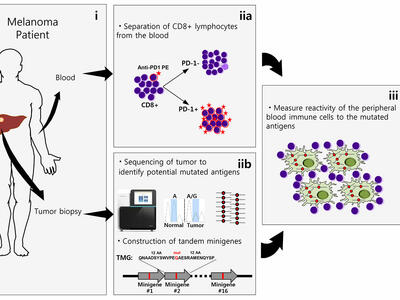
NCI scientists have developed a novel strategy for identifying immune cells circulating in the blood that recognize specific proteins on tumor cells, a finding they believe may have potential implications for immune-based therapies.
-
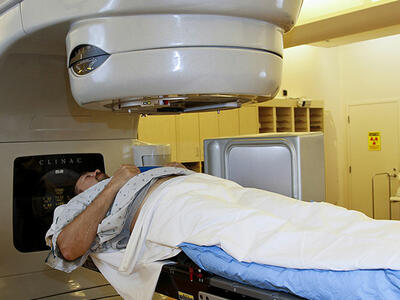
Patients who miss radiation therapy sessions during cancer treatment have an increased risk of their disease returning, even if they eventually complete their course of radiation treatment, according to a new study.