
Childhood Cancer - Cancer Currents Blog
News about childhood cancer research, with context from leading experts. Topics include new treatments, issues facing childhood cancer survivors, and findings on the biology of cancer in children.
-
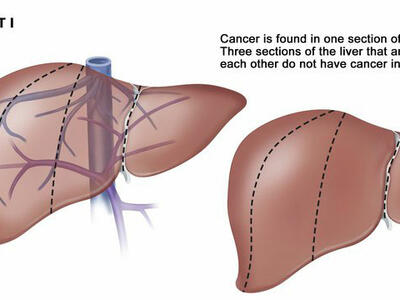
Some children with liver cancer may need less chemotherapy than is typically used, new research suggests. The study included children and infants with hepatoblastoma whose tumors had been surgically removed when the disease was diagnosed.
-
NCI has created special clinics that bring together clinicians, patients, and advocates to promote more rapid progress against rare cancers. The effort includes both rare pediatric cancers and central nervous system tumors in adults.
-
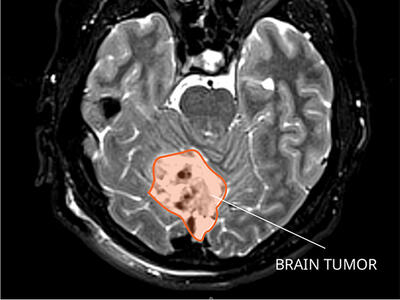
An experimental CAR T-cell therapy may have potential as a treatment for several types of childhood cancer, results from a new study in mice suggest. The CAR T cells eradicated tumors in mouse models of several different childhood cancers, including two forms of sarcoma and medulloblastoma.
-
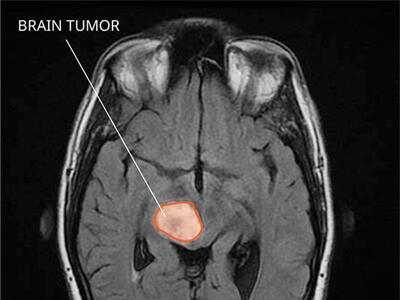
A liquid biopsy blood test can detect DNA from brain tumors called diffuse midline gliomas, researchers have found. This minimally invasive test could be used to identify and follow molecular changes in children with these highly lethal brain tumors.
-
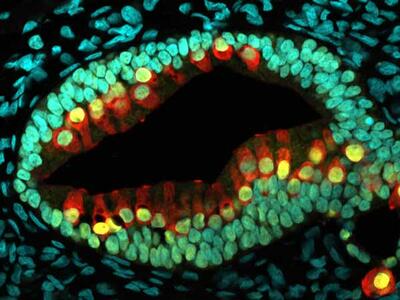
The drug sodium thiosulfate can protect the hearing of children with cancer undergoing treatment with the chemotherapy drug cisplatin, results from a new clinical trial show. The trial involved children with a form of liver cancer called hepatoblastoma.
-
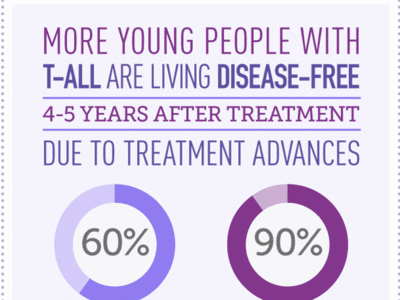
This NCI-funded Children’s Oncology Group trial tested the addition of nelarabine (Arranon) to standard treatment for children and young adults with T-cell acute lymphoblastic leukemia (T-ALL).
-

In a phase 2 clinical trial, the investigational drug selumetinib shrank tumors in some children with the genetic syndrome neurofibromatosis type 1 (NF1). The tumors, called neurofibromas, can cause pain, difficulty breathing or walking, and disfigurement.
-
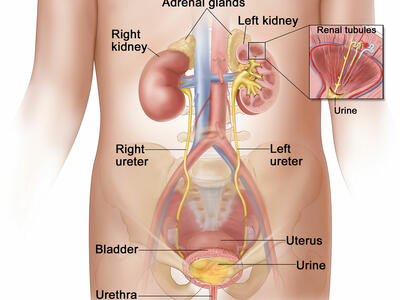
Results from an NCI-sponsored clinical trial may point to an important change in how some children with advanced Wilms tumor, a form of kidney cancer, are treated.
-
Initial results from a series of three small clinical trials of a targeted cancer therapy called larotrectinib suggest that it may be effective in patients—children and adults—with a wide variety of cancer types.
-
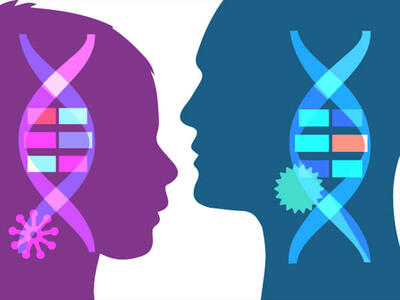
An NCI-funded study has found significant differences in the genetics of acute myeloid leukemia in younger and older patients. The findings could help guide the development of treatments tailored specifically for childhood AML.