
Cancer Currents: An NCI Cancer Research Blog
A blog featuring news and research updates from the National Cancer Institute.

-
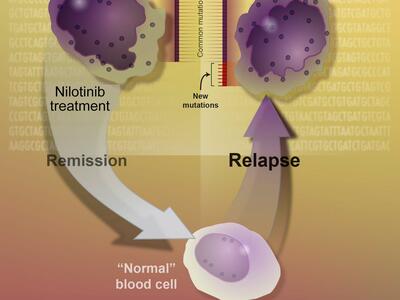
On December 22, FDA approved an update to the label of nilotinib (Tasignia) that states that some patients with CML who are taking nilotinib and whose cancer has been in remission for an extended period can safely stop taking it.
-

A type of cancer that occurs in the lower stomach has been increasing among some Americans under the age of 50, even though in the general population the incidence of all stomach cancers has been declining for decades, according to a new study.
-

Joint pain caused by aromatase inhibitors in postmenopausal women with breast cancer can cause some women to stop taking the drugs. Reducing their symptoms may translate into better adherence to therapy.
-
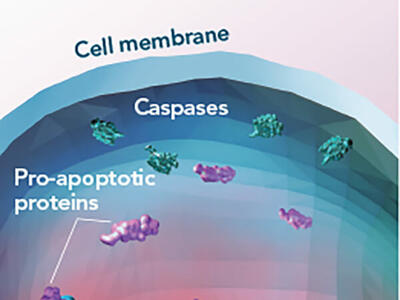
Interim results from an ongoing clinical trial show that patients with relapsed or refractory chronic lymphocytic leukemia treated with rituximab plus venetoclax have longer progression-free survival compared with patients treated with chemotherapy.
-

In a unique clinical trial, a group of oncologists with experience treating acute promyelocytic leukemia are making themselves available around the clock to help clinicians at hospitals across the country treat their APL patients.
-
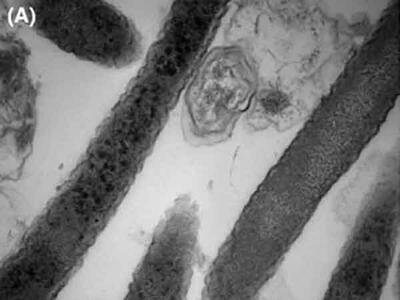
Fusobacterium, found in the stomach and intestines, may help fuel the growth of colorectal cancer and metastases. In a mouse model of colorectal cancer, using antibiotics to kill these bacteria slowed tumor growth.
-

The FDA has recently approved two tests to identify genetic alterations in tumors. One of the tests can be used to identify patients who may be candidates to receive specific targeted therapies.
-
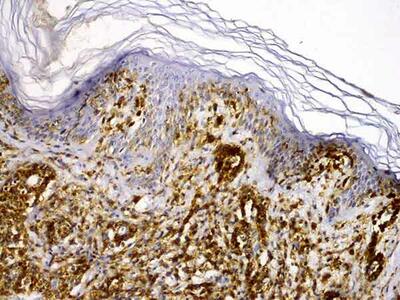
FDA has approved brentuximab vedotin (Adcetris®) for the treatment of adults who have been treated previously for either primary cutaneous anaplastic large cell lymphoma or CD30-expressing mycosis fungoides, two rare lymphomas that start as rashes on the skin.
-

Norman Sharpless, M.D., offers his thoughts on his experience thus far as NCI director and areas, like big data, where NCI can play an important role in advancing science.
-

A new study shows that many patients diagnosed with a new cancer have had one or more cancers in the past, which has potential implications for long-term surveillance and clinical trial enrollment.