
Treatment - Cancer Currents Blog
Cancer treatment related news, with context from leading experts. Includes articles on new therapies, treatment side effects, and important trends in treatment-related research.
-

Many young women who are diagnosed with early-stage breast cancer want to become pregnant in the future. New research suggests that these women may be able to pause their hormone therapy for up to 2 years as they try to get pregnant without raising the risk of a recurrence in the short term.
-

For younger women with advanced breast cancer, the combination of ribociclib (Kisqali) and hormone therapy was much better at shrinking metastatic tumors than standard chemotherapy treatments, results from an NCI-funded clinical trial show.
-
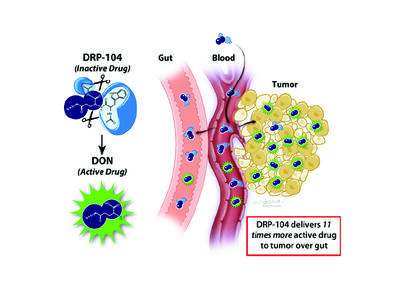
Researchers have modified a chemo drug, once abandoned because it caused serious gut side effects, so that it is only triggered in tumors but not normal tissues. After promising results in mice, the drug, DRP-104, is now being tested in a clinical trial.
-
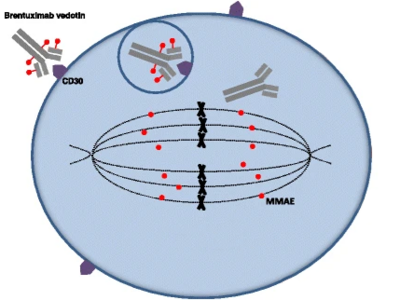
Based on an NCI-sponsored clinical trial conducted by the Children’s Oncology Group, FDA has approved the drug brentuximab vedotin (Adcetris) in combination with chemotherapy for some children and adolescents with Hodgkin lymphoma.
-
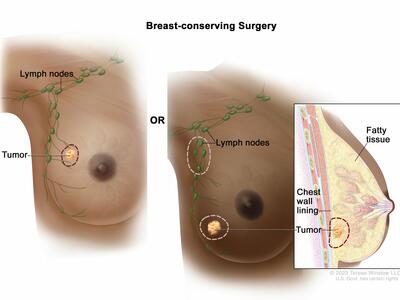
In a large clinical trial, a condensed course of radiation therapy was as effective and safe as a longer standard course for those with higher-risk early-stage breast cancer who had a lumpectomy. This shorter radiation course makes treatment less of a burden for patients.
-
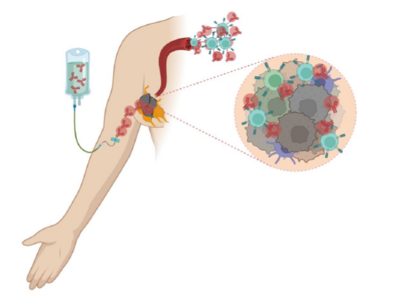
For melanoma that can be treated with surgery, a few doses of pembrolizumab (Keytruda) beforehand looks to be a good choice. In a clinical trial, people who got the presurgical immunotherapy were much less likely to have their cancer come back than those who only received it after surgery.
-
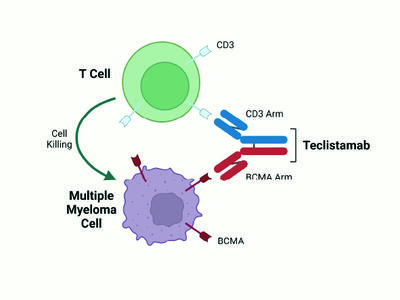
In a small clinical trial, nearly 40% of people with multiple myeloma who were treated with the immunotherapy drug teclistamab (Tecvayli) had all signs of their cancer disappear. The trial participants had myeloma that did not respond to or came back after three or more prior treatments.
-
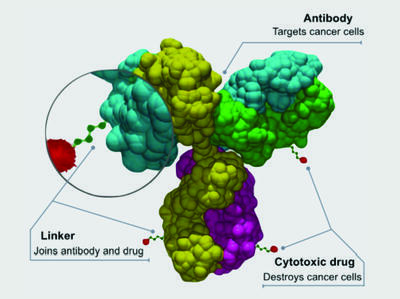
On August 11, the Food and Drug Administration (FDA) gave accelerated approval to trastuzumab deruxtecan (Enhertu) for adults with non-small cell lung cancer (NSCLC) that has a specific mutation in the HER2 gene. Around 3% of people with NSCLC have this kind of HER2 mutation.
-
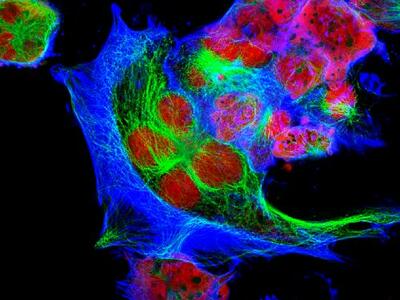
Researchers have confirmed that the immunotherapy drug dinutuximab (Unituxin) can help children with high-risk neuroblastoma live longer. The finding is based on a trial of nearly 1,200 children with the disease.
-
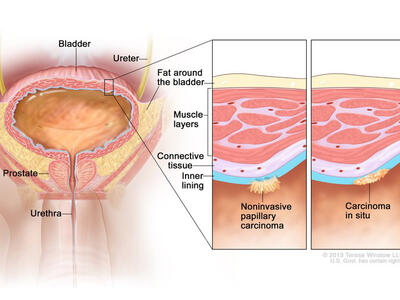
The standard treatment for high-risk non-muscle-invasive bladder cancer (NMIBC), a drug called BCG, has been in shortage for a decade. Bladder cancer experts agree that gemcitabine and docetaxel offers an effective alternative to BCG, after a study showed that 82% of patients with high-risk NMIBC treated with the combination were alive 2 years later without their cancer returning.