
What is breast cancer recurrence?
Recurrent breast cancer is breast cancer that comes back (recurs) after treatment. Breast cancer recurrence can happen when your initial treatments don’t kill all the cancer cells in your body. These leftover cells may start growing into recurrent breast cancer. Most recurrences will happen in the first few years after completing treatment, but breast cancer may also recur many years later.
Anyone who has been treated for breast cancer is at risk of the cancer coming back, but newer and better therapies are helping reduce the risk of recurrence in breast cancer survivors. If breast cancer recurs, another round of therapy can sometimes effectively treat the cancer. If the cancer doesn’t go away with more treatment, you may still be able to live a long time with treatment to stop or slow the cancer’s growth.
Breast cancer recurrence may be local, regional, or distant:
- Local recurrence. Local recurrence is when breast cancer comes back in the same area where the first tumor was found. It may also come back in the chest wall or the surgical site for people who had a mastectomy.
- Regional recurrence. Regional recurrence is when breast cancer comes back in lymph nodes under the arm, in the collarbone area, or in the neck.
- Distant (metastatic) recurrence. Metastatic or distant recurrence is when breast cancer comes back in other areas of your body outside of your breast or lymph nodes. Distant breast cancer recurrences occur most often in the bones, lungs, brain, or liver.
It’s also possible to develop a second breast cancer not related to the first cancer. This is called a second primary breast cancer and is different from a breast cancer recurrence.
What type of breast cancer has the highest recurrence rate?
Any type or stage of breast cancer can come back after treatment, but some types are more likely than others to recur. Triple-negative breast cancer and inflammatory breast cancer are more difficult to treat than other types of breast cancer, so some cancer cells may escape initial treatments. They are also more likely to be diagnosed at a later stage than other types of breast cancer, increasing the risk of recurrence.
Learn more about Triple-Negative Breast Cancer and Inflammatory Breast Cancer.
What is the risk of breast cancer recurrence?
The risk of breast cancer recurrence depends a lot on your specific situation and cancer. Your doctor is in the best position to discuss your risk of recurrence with you. Some factors may increase your risk of recurrence. These risk factors include:
- being diagnosed at a younger age
- being diagnosed with a higher stage of breast cancer
- having breast cancer that had spread to the lymph nodes
- having triple-negative or inflammatory breast cancer
- having a larger and/or higher-grade tumor
- having tumor cells remaining in the breast after breast-conserving surgery (positive margins)
- having excess body weight or obesity
Certain gene tests can also help doctors understand your risk of breast cancer coming back. Learn more in the section “Multigene tests to predict risk of recurrence” in How Breast Cancer Is Diagnosed.
Can I prevent breast cancer recurrence?
Although there is no way to prevent breast cancer recurrence, breast cancer surgery and treatments you receive after surgery are designed to help lower your risk of recurrence. Most people with breast cancer have a lumpectomy or mastectomy to remove the cancer and some or all remaining breast tissue. The risk of recurrence is about the same for both surgeries. Learn more about these two surgeries and their risks and benefits at Choosing Between a Lumpectomy and Mastectomy.
Treatments given after surgery for breast cancer are called adjuvant therapies. Hormone therapy, chemotherapy, targeted therapy, and radiation therapy are types of adjuvant therapy. The adjuvant therapy or therapies you receive will depend on your specific type of breast cancer, surgery choice, and the results of multigene tests.
Your doctor may recommend other medicines and lifestyle changes to help reduce the risk of breast cancer recurrence:
- Medicines that treat bone loss. Taking bone-building drugs such as denosumab may help lower the risk of breast cancer coming back in your bones, a common place of breast cancer recurrence.
- Exercising. Being physically active can help lower your risk of breast cancer recurrence and dying from breast cancer. Your doctor can help you find an exercise program that is right for you. Learn more at Physical Activity and Cancer.
- Eating healthy. Eating a healthy diet as part of a healthy lifestyle has been linked to a lower risk of breast cancer recurrence. A nutritionist at your cancer center may be able to help you make healthy food choices. Learn more at Eating Hints: Before, During, and After Cancer Treatment.
- Staying at or getting to a healthy weight. Having excess body weight or obesity has been linked to a greater risk of breast cancer recurrence. Talk with your doctor about ways to get to or stay at a healthy weight.
What are the symptoms of breast cancer recurrence?
Symptoms may be different depending on whether you have local, regional, or distant recurrence. Many symptoms for local and regional recurrence may be similar to symptoms you had before your first diagnosis. It’s important to talk to your doctor about any symptoms or unusual changes you notice.
Symptoms of local and regional breast cancer recurrence may include:
- a new lump (also called a nodule) or area of thickness or firmness in the breast or chest wall
- a change in the size or shape of your breast
- skin changes such as dimpling, redness, or swelling
- an inwardly turned or flattened nipple
- thickening, increased firmness, or feelings of pulling on the skin around a surgery scar
- swollen lymph nodes under your arm, near your collarbone, or in your neck
- chest pain that doesn’t go away
- pain, swelling, or numbness in one arm or shoulder
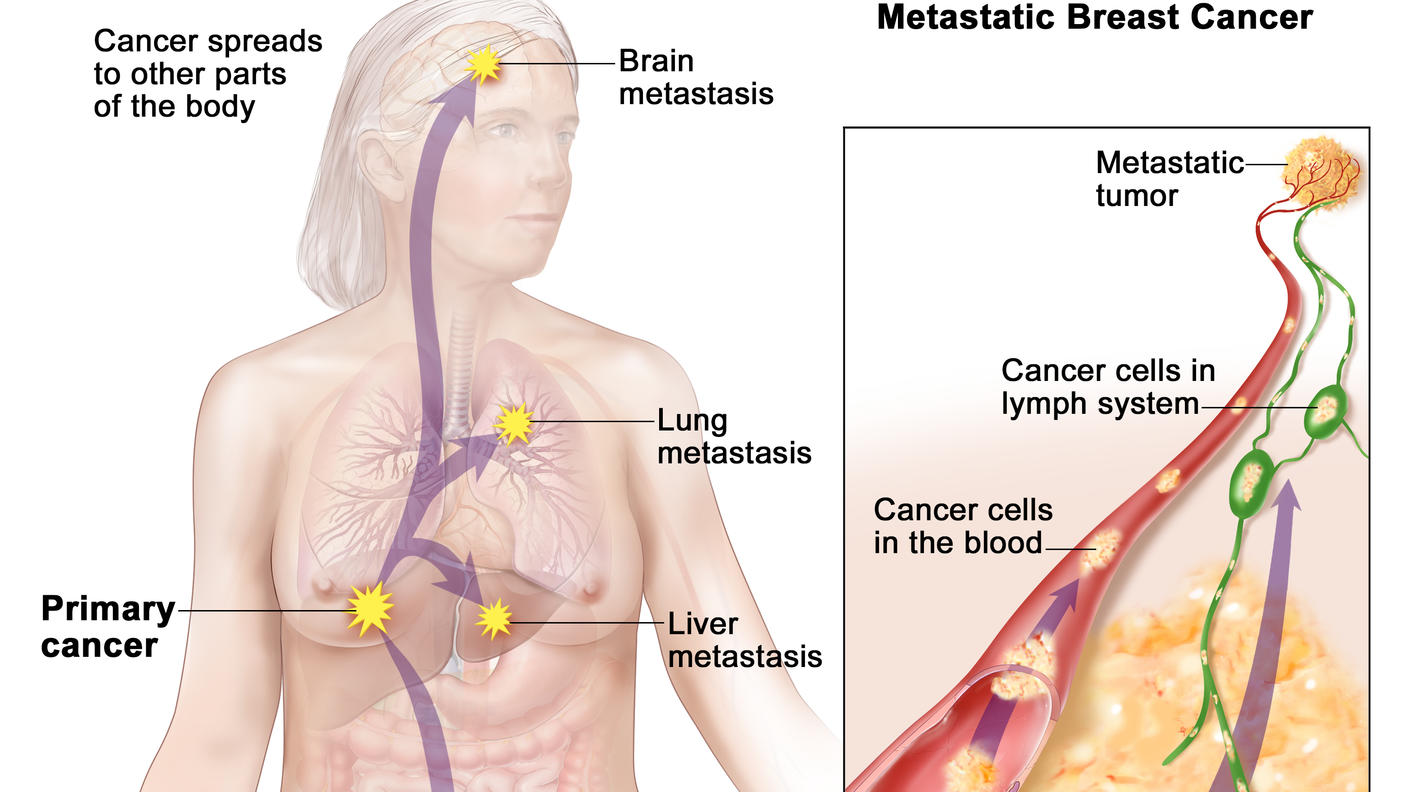
Symptoms of distant (metastatic) breast cancer recurrence may include:
- pain in your chest, back, hip, bones, or other area that doesn’t go away or keeps getting worse
- headache, dizziness, balance problems, or seizures
- a feeling of numbness or weakness anywhere in the body
- shortness of breath or difficulty breathing
- a cough that doesn’t go away
- difficulty swallowing
- feeling very tired
- yellowing of the skin and eyes (jaundice)
- appetite loss or weight loss for no known reason
How is recurrent breast cancer diagnosed?
Regular follow-up exams and tests are part of ongoing care for breast cancer survivors and can help find a recurrence as early as possible. Learn about follow-up care at Living with Breast Cancer and Survivorship. It’s also important to stay alert to any changes in your body and contact your doctor about any signs or symptoms of possible recurrence.
Symptoms of breast cancer recurrence or an abnormal finding during a follow-up test could be due to a recurrence or another condition. Your doctor will need to do additional tests to gather more information about your symptoms or imaging results. These tests will be the same as those used to make your initial breast cancer diagnosis. Learn more at How Breast Cancer Is Diagnosed.
How is recurrent breast cancer treated?
Treatments you received for your initial breast cancer diagnosis may also be used to treat a recurrence. Your doctor may prescribe different combinations of anticancer drugs or recommend more surgery. The type of treatment you receive depends on many factors, including whether the tumor has hormone receptors, your previous treatments, and whether you have a local, regional, or distant recurrence. Talk with your doctor about what treatments will be best for you.
If you have a distant recurrence, you can learn more about treatment at Metastatic Breast Cancer in the section, “How is metastatic breast cancer treated?”
What is the survival rate and prognosis for people with recurrent breast cancer?
If you’ve been diagnosed with a breast cancer recurrence, you may have questions about your long-term health and survival. Another round of treatment may be effective at controlling or shrinking a local or regional breast cancer recurrence. Distant recurrences are more difficult to treat, but you may still have many treatment options that keep the cancer in check. Each person and recurrence is different, so your doctor is in the best position to discuss your prognosis with you.
Living with recurrent breast cancer
Learning you have a breast cancer recurrence can be difficult. You may feel shock, sadness, anger, and fear. These are normal reactions, and your health care team, family, friends, and caregivers can help support you during this time. Learn more at Recurrent Cancer: When Cancer Comes Back. For more information about how to find support and adjust to life with breast cancer, visit Living with Breast Cancer and Survivorship.