
Cancer Currents: An NCI Cancer Research Blog
A blog featuring news and research updates from the National Cancer Institute.

-
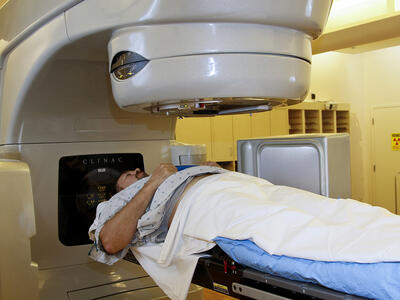
Many with prostate cancer can safely receive shorter, higher-dose radiation therapy after surgery, a new study has found. The approach, called HYPORT, didn’t harm patients’ quality of life compared with the standard radiation approach, trial finds.
-
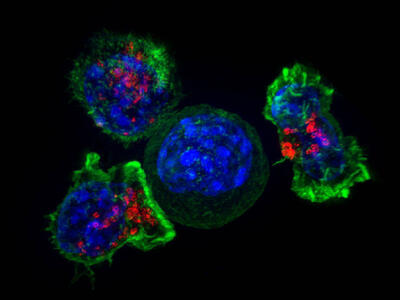
The CAR T-cell therapy Tecartus has become the first such treatment approved by FDA to treat adults with acute lymphoblastic leukemia (ALL). The approval is for patients whose cancer has not responded to treatment or returned after treatment.
-
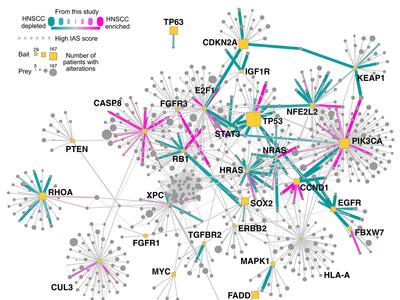
A research team has identified common interactions between cancer-related proteins in cancer cells. They also created a map of how these protein complexes function in those cells and identified a promising treatment target for head and neck cancer.
-
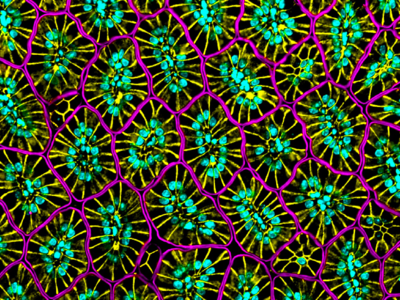
Excess fructose can promote obesity and colorectal cancer, a new study shows. In mice, the study found that the sweetener, a component of table sugar and high-fructose corn syrup, increased how long normal and cancer cells in the intestines live.
-
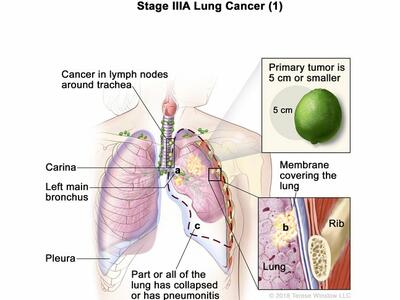
Atezolizumab (Tecentriq) is now the first immunotherapy approved by FDA for use as an additional, or adjuvant, treatment for some patients with non-small cell lung cancer. The approval was based on results of a clinical trial called IMpower010.
-
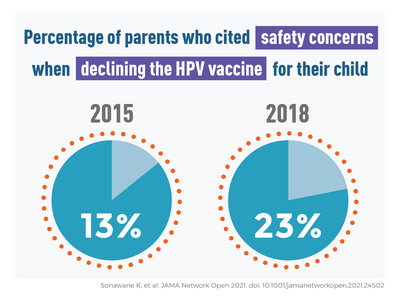
Despite consistent evidence that HPV vaccines are safe and effective, a new study shows that more parents are citing concerns about their safety. Researchers cautioned that efforts are needed to counter this trend and improve vaccination rates.
-
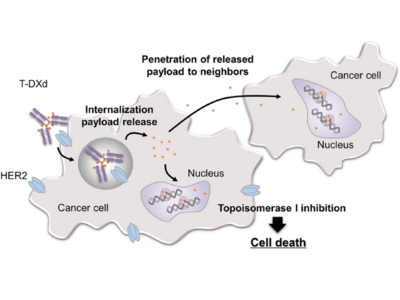
In people with metastatic HER2-positive breast cancer, the targeted drug trastuzumab deruxtecan (Enhertu) markedly lengthened progression-free survival compared with trastuzumab emtansine (Kadcycla), new study results show.
-
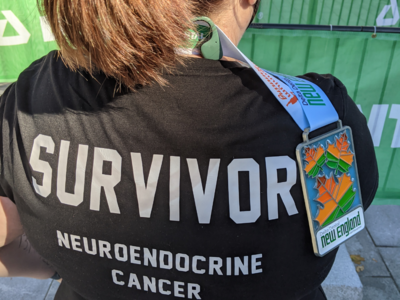
New treatments are helping more people with advanced or metastatic cancer live longer. At a recent NCI conference, survivors and researchers came together to discuss how to better address the needs of those living with metastatic cancer.
-

Trial results show patients who received the immunotherapy pembrolizumab (Keytruda) after surgery to remove high-risk stage II melanomas were less likely to have the cancer come back than those who received no treatment after surgery.
-
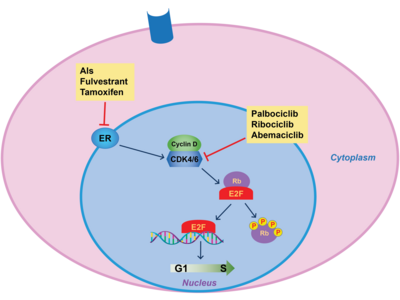
In a large clinical trial, women with HR-positive, HER2-negative metastatic breast cancer treated with ribociclib (Kisqali) and letrozole (Femara) as their initial treatment lived approximately 1 year longer than women treated with letrozole only.