
Cancer Currents: An NCI Cancer Research Blog
A blog featuring news and research updates from the National Cancer Institute.

-
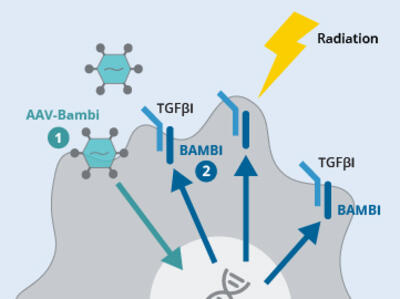
In a new study in mice, researchers showed they could enhance radiation therapy by boosting levels of the BAMBI protein in MDSC immune cells in the tumor microenvironment. After radiation, T cells flooded into the tumor and killed tumors elsewhere in the body.
-

Training provided by NCI scientists helped researchers in India design an effective CAR-T cell therapy, NexCAR19, that can be manufactured in India, made available at a reasonable cost, and meet the needs of patients in India’s health care system.
-

Researchers used computer modeling to estimate the number of deaths that could be prevented, and the harms caused, if more people used USPSTF-recommended cancer screening tests. The study’s lead investigator, Dr. Amy Knudsen, explains the findings.
-
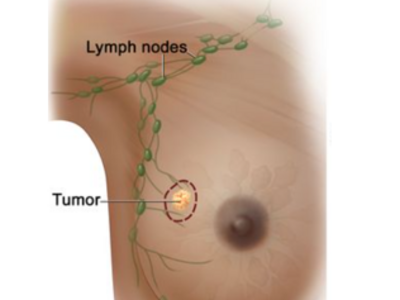
Some people with no evidence of cancer in nearby lymph nodes after presurgical chemotherapy can skip radiation to that area without increasing the risk of the cancer returning, a clinical trial found. But some experts caution that more details are needed.
-
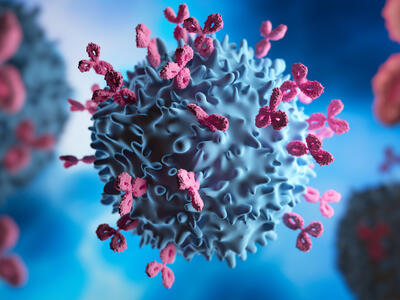
Adding daratumumab (Darzalex) to standard treatment helped people with newly diagnosed multiple myeloma live longer without their cancer getting worse or dying. People taking daratumumab were also more likely to have no detectable signs of cancer (minimal residual disease) after treatment.
-
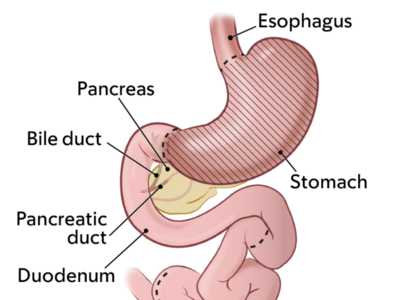
In a recent study, more than 90% of people who’d had their stomach surgically removed to prevent cancer experienced a least one chronic complication 2 years out from their surgery. For some, the complications are life altering.
-

Under a new FDA approval, enzalutamide (Xtandi) can now be used alone, or in combination with leuprolide, to treat people with nonmetastatic prostate cancer that is at high risk of returning after surgery or radiation.
-
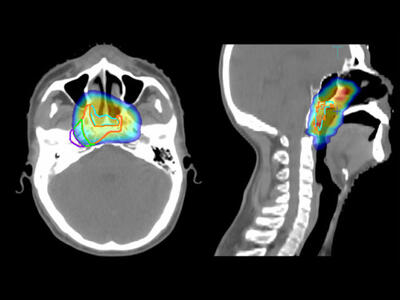
FDA approved toripalimab (Loqtorzi) based on the results of a large clinical trial showing that, when added to chemotherapy, the drug extended survival in people with nasopharyngeal cancer that returned after initial treatment or spread in the body.
-

In a clinical trial, a simple letter and phone call helped increase the number of people who completed the recommended follow-up testing after an abnormal cancer screening result.
-
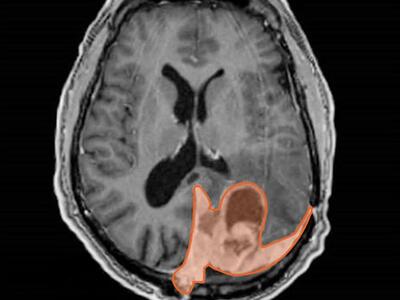
The activity of 34 genes can accurately predict the aggressiveness of meningiomas, a new study shows. This gene expression signature may help oncologists select the best treatments for people with this common type of brain cancer than they can with current methods.