
Biology of Cancer - Cancer Currents Blog
Cancer biology research news, with context from experts at NCI and elsewhere. Topics include cancer metastasis, the tumor microenvironment, and new targets for cancer therapies.
-

Immune checkpoint inhibitors have revolutionized cancer treatment, helping people with advanced melanoma, lung cancer, bladder cancer, and other cancers live longer, healthier lives. This is the story of how decades of NCI-funded research made these breakthrough immunotherapy drugs possible.
-

As diagnoses of colorectal, breast, and other cancers continue to climb in people under age 50, researchers are trying to understand what’s behind this phenomenon. Is it environmental exposures, genetics, lifestyle? The culprits, they say, remain unclear.
-
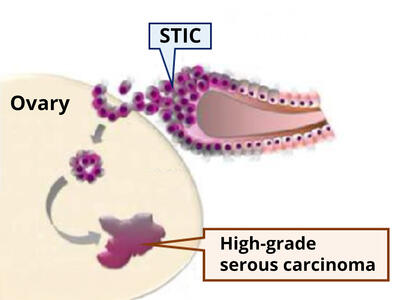
A subgroup of mesenchymal stem cells, called high-risk MSCs, appears to fuel the formation of cancerous lesions in the fallopian tubes and the lesions’ transition to ovarian cancer, a study has found.
-
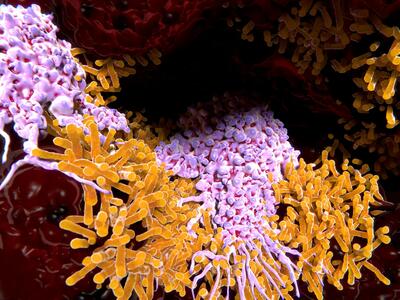
Some cancers come back many years after successful treatment, often as metastatic disease. Researchers believe if and how this happens is heavily influenced by dormant cancer cells and their interaction with the immune system.
-
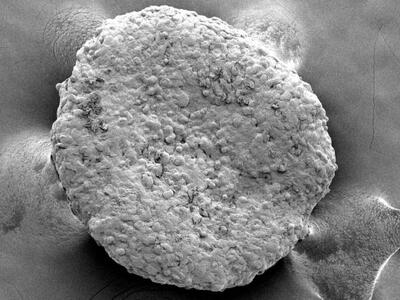
Researchers have developed a form of cancer treatment that uses fat cells engineered to aggressively consume nutrients like glucose. When implanted in mice, the engineered cells appeared to outcompete tumors for nutrients, shrinking tumors.
-
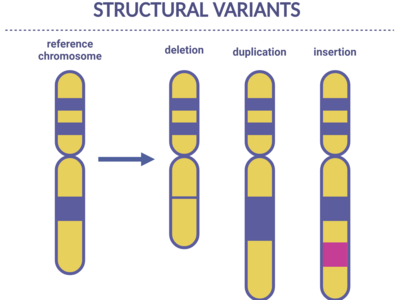
Certain inherited genetic changes are likely involved in the development of some cancers in children, a new study shows. The changes, called structural variants, were linked with a small percentage of children with neuroblastoma, Ewing sarcoma, and osteosarcoma.
-

Researchers have found that feeding fructose, a main component of high-fructose corn syrup, to lab animals with cancer made their tumors grow faster. But the tumors couldn’t directly consume the sugar—it had to take a detour through the liver first.
-
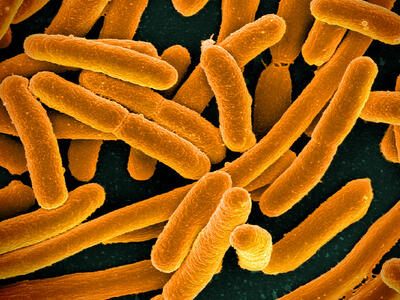
In a pair of studies, researchers engineered a probiotic strain of E. coli called Nissle 1917 so it can help the immune system attack tumors. Although the E. coli were altered in different ways, resulting in two different immune-based treatment strategies, both were effective in mice.
-
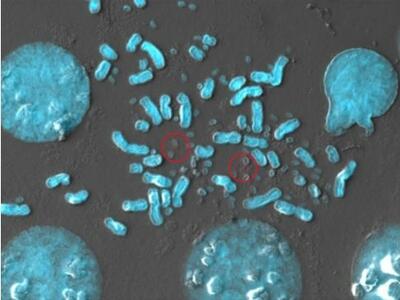
Researchers have found that cancer cells containing extrachromosomal DNAs (ecDNAs) have a weakness that can be exploited by a drug that targets the CHK1 protein. In mice, combining the drug with another targeted therapy kept cancer at bay for long periods.
-
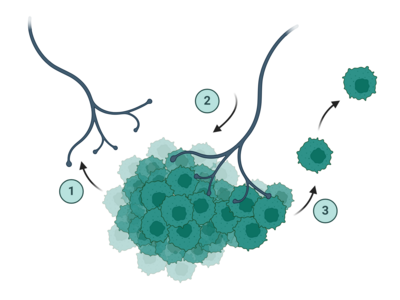
A new study may provide important new insights into breast cancer metastasis. Blood vessels within tumors release a molecule that draws sensory nerves closer to the tumors, the study shows. This close proximity turns on genes in the cancer cells that drive metastasis.