
Biology of Cancer - Cancer Currents Blog
Cancer biology research news, with context from experts at NCI and elsewhere. Topics include cancer metastasis, the tumor microenvironment, and new targets for cancer therapies.
-
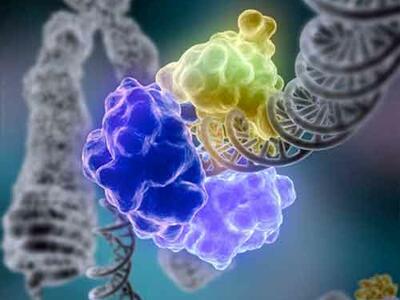
Studies presented at the 2017 AACR annual meeting suggest that therapies which take advantage of the mutations in the IDH gene may be more effective than drugs that block it.
-
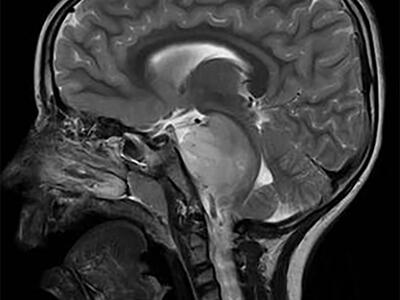
Two studies have identified proteins that drive growth of diffuse intrinsic pontine glioma (DIPG) tumor cells. Blocking these targets with investigational drugs slowed tumor growth in animal models.
-
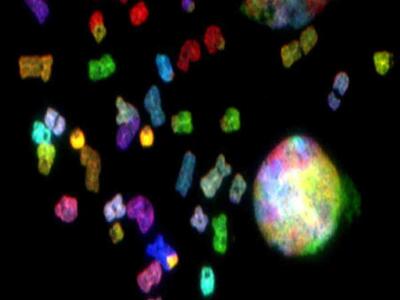
Dr. Richard Schlegel describes an innovative cell culture technique he helped to develop. Called conditional reprogramming, the technique can be used to rapidly establish cell cultures of normal and tumor cells from patient samples.
-
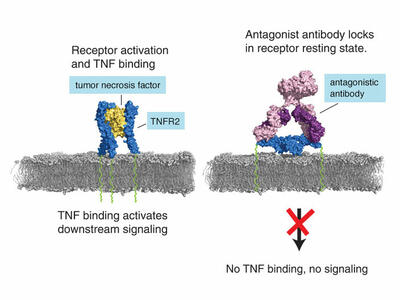
A team of researchers has developed a potential new therapy that may work in two distinct ways to attack tumors, by directly killing cancer cells and immune cells that can suppress the anti-cancer immune response.
-
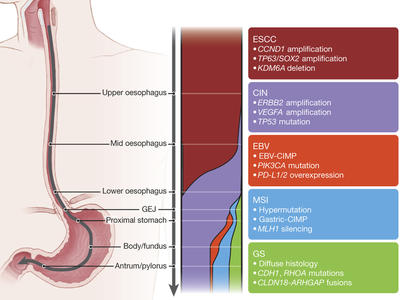
A new study by The Cancer Genome Atlas Research Network could help classify esophageal cancers according to their genetic and molecular alterations and identify potential new treatment options.
-
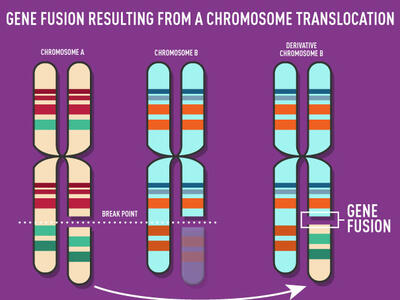
Researchers have created a long-sought-after mouse model for an aggressive form of acute lymphoblastic leukemia that occurs commonly in infants and that the researchers believe can accelerate the development of new therapies for the disease.
-
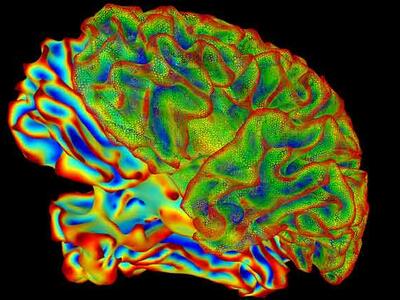
Brain cancer cells are heavily dependent on a constant supply of cholesterol to survive, a new study suggests. And in mice with brain tumors, treatment with a cholesterol-depleting drug slowed tumor growth and improved survival.
-
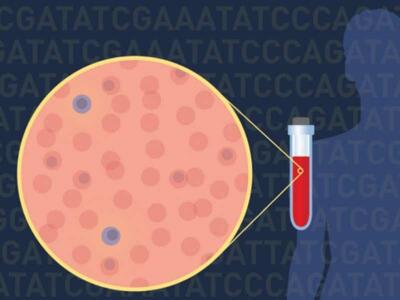
A study suggests that individual tumor cells circulating in the blood of patients with multiple myeloma may be a new source of information about the genetic changes driving the disease.
-
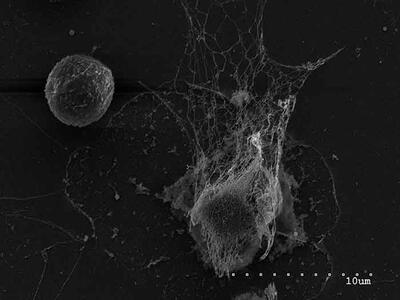
Cancer cells may exploit a normal function of neutrophils, the most common form of white blood cell, to help form metastatic tumors, a new study suggests.
-
Findings from a new study from NCI researchers could help predict whether a tumor will respond to a new class of promising cancer drugs, and identifies a potential way to overcome that resistance.