
Biology of Cancer - Cancer Currents Blog
Cancer biology research news, with context from experts at NCI and elsewhere. Topics include cancer metastasis, the tumor microenvironment, and new targets for cancer therapies.
-
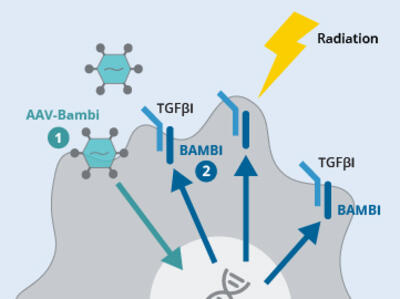
In a new study in mice, researchers showed they could enhance radiation therapy by boosting levels of the BAMBI protein in MDSC immune cells in the tumor microenvironment. After radiation, T cells flooded into the tumor and killed tumors elsewhere in the body.
-
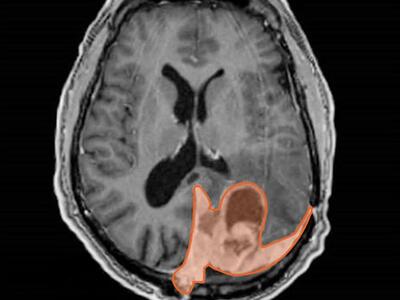
The activity of 34 genes can accurately predict the aggressiveness of meningiomas, a new study shows. This gene expression signature may help oncologists select the best treatments for people with this common type of brain cancer than they can with current methods.
-

Antibodies currently used in many cancer treatments have only been able to reach proteins outside of cancer cells. In a new study in mice, scientists found a way to target cancer-fueling KRAS and IDH1 proteins buried inside cancer cells.
-

A new study shows that, in some tumors, a subset of cancer cells can drain mitochondria, the tiny structures within cells that produce energy, from T cells and use them for their own energy needs.
-

A new study, conducted largely in mice, may help explain why a currently used molecular marker—called mismatch repair deficiency—doesn’t always work to predict which patients will respond to immunotherapies called immune checkpoint inhibitors.
-
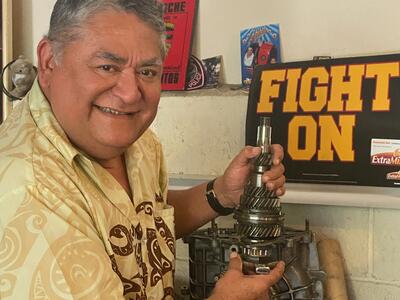
The ENLACE study is the first to use cutting-edge technologies to describe the molecular features of colorectal tumors in Hispanic and Latino people. The study’s goals are to improve treatments and increase Hispanic/Latino engagement in cancer research.
-
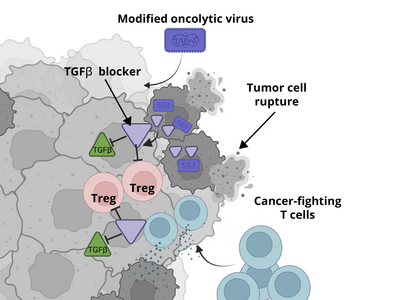
A cancer-infecting virus engineered to tamp down a tumor’s ability to suppress the immune system shrank tumors in mice, a new study shows. The modified oncolytic virus worked even better when used along with an immune checkpoint inhibitor.
-
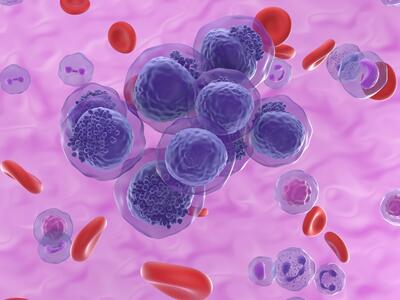
Researchers have used a form of CRISPR, called base editing, to engineer T cells and hematopoietic stem cells as part of a potential “universal” CAR T-cell therapy for blood cancers. In experiments in mice, the treatment rapidly eliminated tumors, including in mice with acute myeloid leukemia (AML).
-
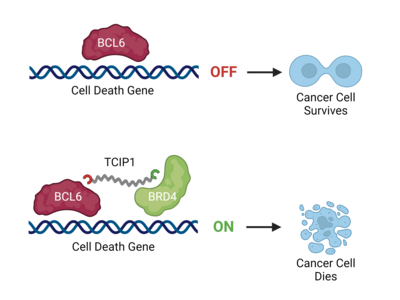
Researchers have created a molecule that, in cancer cells, hooks onto the protein BCL6 at one end and another protein that turns genes on at the other end. The result: self-destruct genes are turned up, causing the cancer cells to die.
-
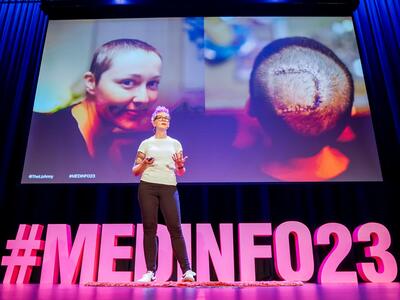
An NCI-supported study called OPTIMUM, part of the Cancer Moonshot, was launched to improve the care of people with brain tumors called low-grade glioma in part by bringing them into glioma-related research.