
Biology of Cancer - Cancer Currents Blog
Cancer biology research news, with context from experts at NCI and elsewhere. Topics include cancer metastasis, the tumor microenvironment, and new targets for cancer therapies.
-
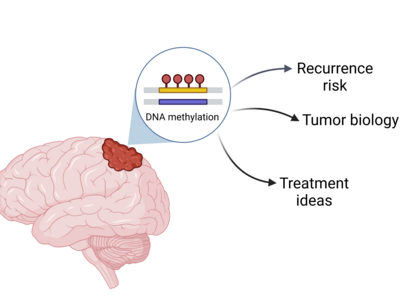
Two separate but complementary studies have identified a new way to classify meningioma, the most common type of brain tumor. The grouping system may help predict whether a patient’s tumor will grow back after treatment and identify new treatments.
-
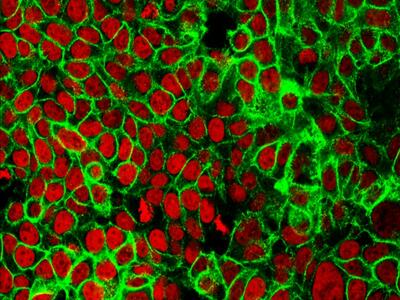
In a study in mice, researchers showed that BHB, a compound produced while eating a ketogenic diet, may slow or stop colorectal cancer from growing. More studies are needed, they warned, to see if BHB has similar effects in humans.
-
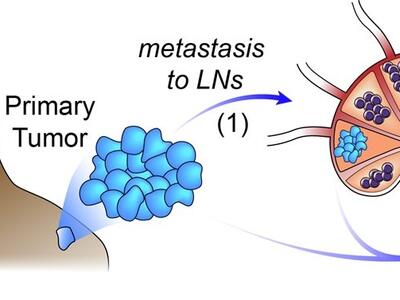
Cancer often spreads to the lymph nodes, but it has never been clear why. A new study in mice suggests lymph node invasion helps the primary tumor spread, or metastasize, to other organs.
-
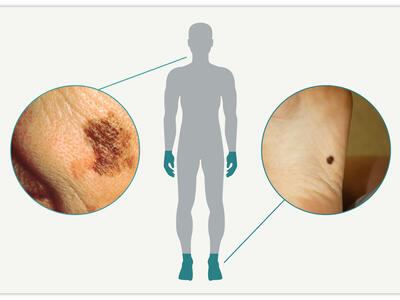
Whether cells with cancer-related genetic changes will develop into tumors may partly depend on their location in the body, a new study finds. The study focused on a rare form of skin cancer, acral melanoma.
-
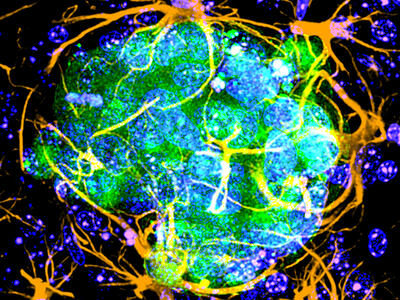
Melanoma cells that travel to the brain produce their own amyloid beta, helping the cells survive and form metastases, a new study in mice shows. The Alzheimer’s-linked proteins appear to tamp down the brain’s immune response to the cancer cells.
-
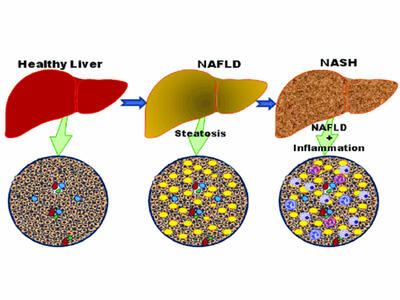
Researchers have found that mice that lack β2-spectrin protein in their livers are protected from nonalcoholic fatty liver disease and the most common kind of liver cancer, hepatocellular carcinoma.
-
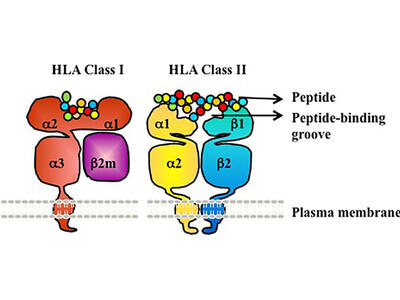
A specific form of the HLA gene, HLA-A*03, may make immune checkpoint inhibitors less effective for some people with cancer, according to an NCI-led study. If additional studies confirm the finding, it could help guide the use of these commonly used drugs.
-

The success of mRNA vaccines for COVID-19 could help accelerate research on using mRNA vaccine technology to treat cancer, including the development of personalized cancer vaccines.
-
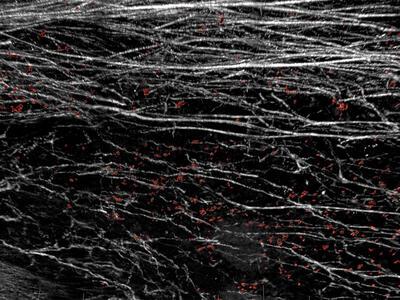
Cancer cells can shed a protein called DDR1 that helps collagen proteins create dense barriers around tumors. A study in mice showed these barriers can prevent immune cells from entering and killing tumors.
-
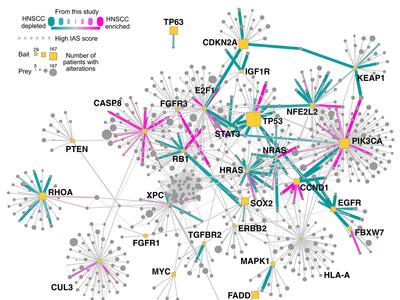
A research team has identified common interactions between cancer-related proteins in cancer cells. They also created a map of how these protein complexes function in those cells and identified a promising treatment target for head and neck cancer.