
Biology of Cancer - Cancer Currents Blog
Cancer biology research news, with context from experts at NCI and elsewhere. Topics include cancer metastasis, the tumor microenvironment, and new targets for cancer therapies.
-
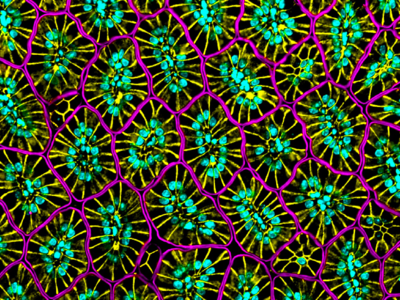
Excess fructose can promote obesity and colorectal cancer, a new study shows. In mice, the study found that the sweetener, a component of table sugar and high-fructose corn syrup, increased how long normal and cancer cells in the intestines live.
-
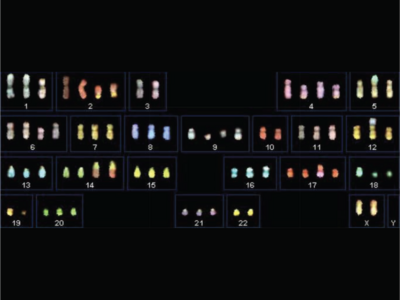
Aneuploidy—when cells have too many or too few chromosomes—is common in cancer cells, but scientists didn’t know why. Two new studies suggest that aneuploidy helps the cells survive treatments like chemotherapy and targeted therapies.
-
New research suggests that fungi in the gut may affect how tumors respond to cancer treatments. In mice, when bacteria were eliminated with antibiotics, fungi filled the void and impaired the immune response after radiation therapy, the study found.
-
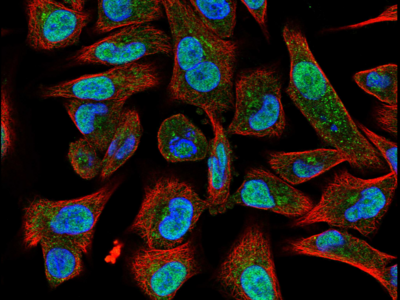
In lab studies, the antibiotic novobiocin showed promise as a treatment for cancers that have become resistant to PARP inhibitors. The drug, which inhibits a protein called DNA polymerase theta, will be tested in NCI-supported clinical trials.
-
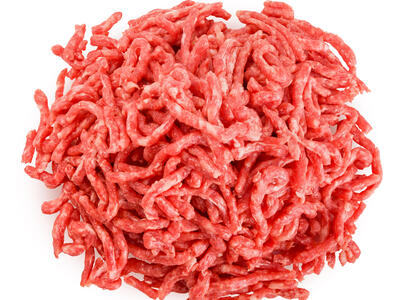
Researchers have discovered a consistent pattern of DNA damage in colorectal tumors that may explain how a diet high in red and processed meat can help cause colorectal cancer.
-
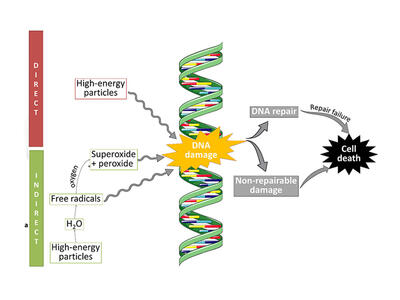
A drug called avasopasem manganese, which has been found to protect normal tissues from radiation therapy, can also make cancer cells more vulnerable to radiation treatment, a new study in mice suggests.
-
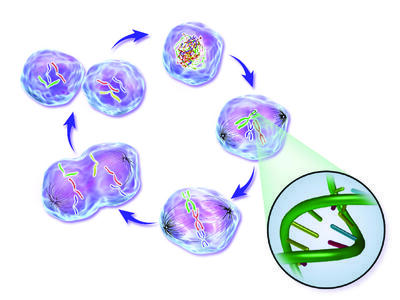
Researchers have shown that the loss of a protein called AMBRA1 can cause tumors to form in mice and is linked with worse outcomes in some human tumors. The new research may lead to strategies for re-sensitizing cancer cells to CDK4/6 inhibitor drugs.
-
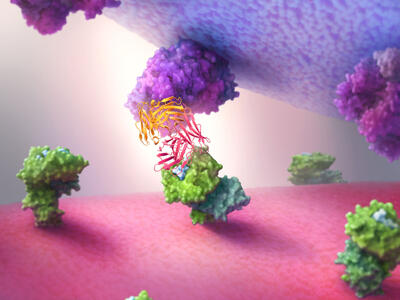
Researchers have developed synthetic antibodies, called diabodies, that block the activity of two of the most notorious cancer-related proteins, RAS and p53. In experiments in mice, the synthetic antibodies shrank tumors with these mutated proteins.
-

A large study from an international group of researchers provides reassurance that cancer models, known as PDX mice, largely retain the genetics of the human tumors from which they were created. PDX mice are increasingly used in cancer research.
-
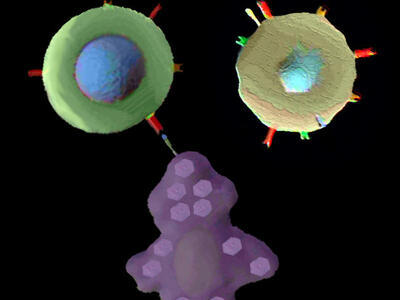
Obesity changed the relationship between cancer cells and nearby immune cells in ways that helped tumors survive and grow, a study in mice showed. But altering tumor cell metabolism helped immune cells once again recognize and infiltrate tumors.