
2024 - Cancer Currents Blog
-
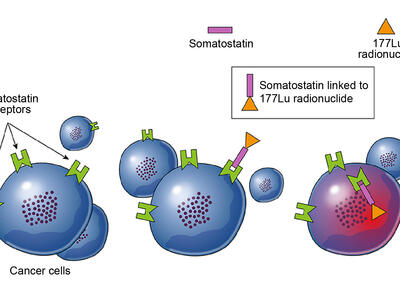
Adding Lu 177-dotate to the initial treatment of certain advanced neuroendocrine tumors nearly tripling the length of time people survive without their tumors getting worse, according to new clinical trial results.
-
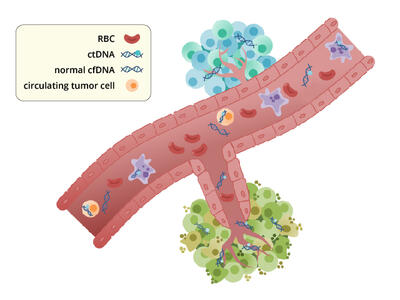
Results from a new study suggest that the presence of circulating tumor DNA (ctDNA) in blood samples can predict which patients with colorectal cancer should and shouldn’t get chemotherapy after surgery to remove their tumors.
-
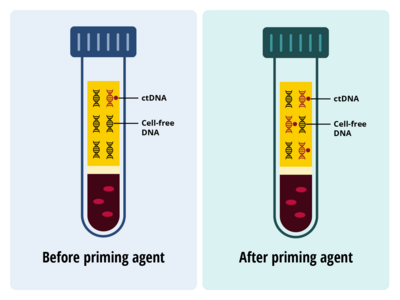
Using two different techniques, researchers showed they could temporarily boost ctDNA levels in the blood of mice with tumors. With more ctDNA in collected blood draws, a liquid biopsy could better detect cancer, the research team found.
-

The results of the clinical trial that led to FDA’s 2023 approval of repotrectinib (Augtyro) for lung cancers with ROS1 fusions have been published. The drug shrank tumors in 80% of people receiving the drug as an initial treatment.
-
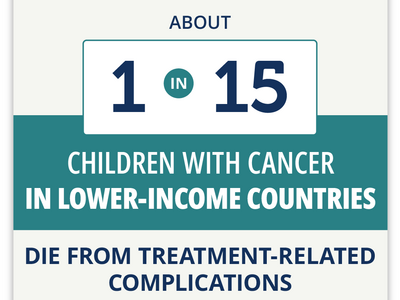
A system for catching treatment-related complications in children with cancer has proven to be highly effective in many Latin American hospitals. An NCI-funded study aims to help make these early warning systems sustainable.
-
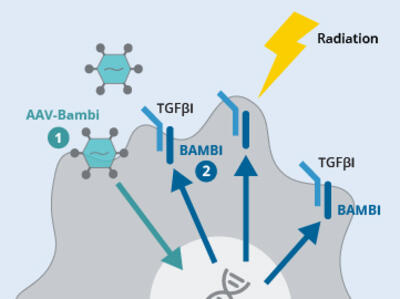
In a new study in mice, researchers showed they could enhance radiation therapy by boosting levels of the BAMBI protein in MDSC immune cells in the tumor microenvironment. After radiation, T cells flooded into the tumor and killed tumors elsewhere in the body.
-

Training provided by NCI scientists helped researchers in India design an effective CAR-T cell therapy, NexCAR19, that can be manufactured in India, made available at a reasonable cost, and meet the needs of patients in India’s health care system.
-

Researchers used computer modeling to estimate the number of deaths that could be prevented, and the harms caused, if more people used USPSTF-recommended cancer screening tests. The study’s lead investigator, Dr. Amy Knudsen, explains the findings.
-
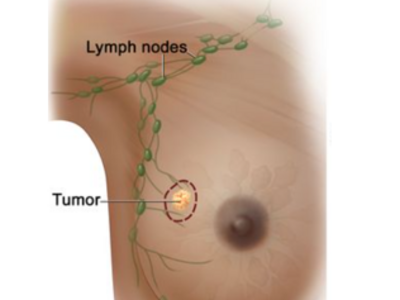
Some people with no evidence of cancer in nearby lymph nodes after presurgical chemotherapy can skip radiation to that area without increasing the risk of the cancer returning, a clinical trial found. But some experts caution that more details are needed.
-
Adding daratumumab (Darzalex) to standard treatment helped people with newly diagnosed multiple myeloma live longer without their cancer getting worse or dying. People taking daratumumab were also more likely to have no detectable signs of cancer (minimal residual disease) after treatment.