
Treatment - Cancer Currents Blog
Cancer treatment related news, with context from leading experts. Includes articles on new therapies, treatment side effects, and important trends in treatment-related research.
-
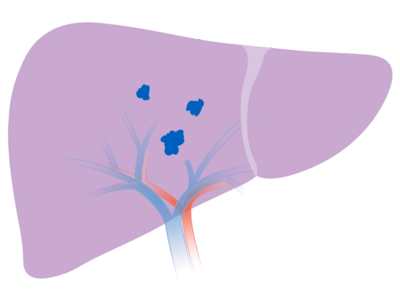
For some people with hepatocellular carcinoma (HCC), the most common type of liver cancer, a liver transplant is the only hope for a cure. A new study shows a high 10-year survival rate for people who got a liver transplant after their tumors were “downstaged” to become eligible for a transplant.
-
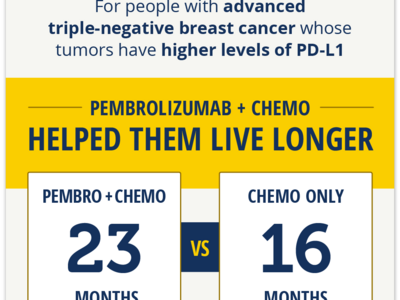
Adding the immunotherapy drug pembrolizumab (Keytruda) to chemotherapy can help some patients with advanced triple-negative breast cancer live longer. In the KEYNOTE-355 trial, overall survival improved among patients whose tumors had high levels of the PD-L1 protein.
-

NCI researchers are developing an immunotherapy that involves injecting protein bits from cytomegalovirus (CMV) into tumors. The proteins coat the tumor, causing immune cells to attack. In mice, the treatment shrank tumors and kept them from returning.
-
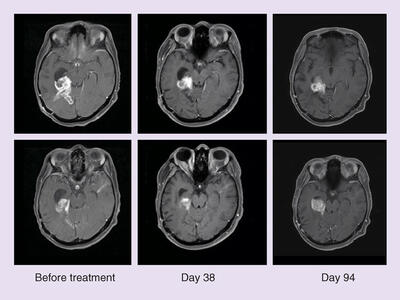
FDA has approved the combination of the targeted drugs dabrafenib (Tafinlar) and trametinib (Mekinist) for nearly any type of advanced solid tumor with a specific mutation in the BRAF gene. Data from the NCI-MATCH trial informed the approval.
-
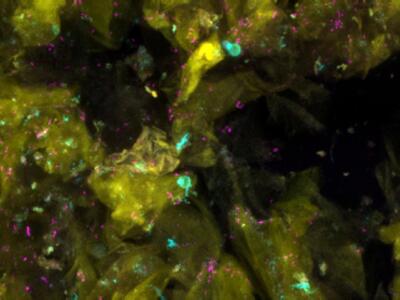
People with cancer who take immunotherapy drugs often develop skin side effects, including itching and painful rashes. New research in mice suggests these side effects may be caused by the immune system attacking new bacterial colonies on the skin.
-
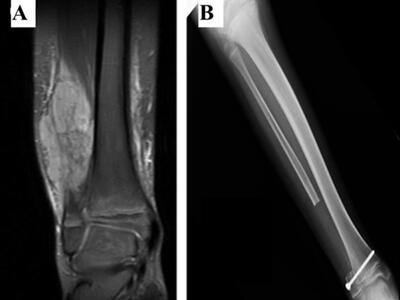
New findings from the first large, randomized clinical trial to compare chemotherapy regimens for relapsed or treatment-resistant Ewing sarcoma could help doctors and patients select treatments.
-
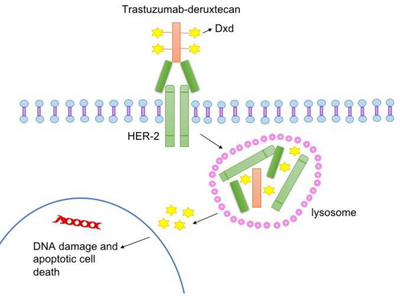
People with metastatic breast cancer whose tumors had low levels of HER2 protein lived longer after treatment with trastuzumab deruxtecan (Enhertu) than those treated with standard chemotherapy, results of the DESTINY-Breast04 clinical trial show.
-

The combination of dabrafenib (Tafinlar) and trametinib (Mekinist) shrank more brain tumors, kept the tumors at bay for longer, and caused fewer side effects than chemotherapy, trial results showed. The children all had glioma with a BRAF V600 mutation that could not be surgically removed or came back after surgery.
-

Men diagnosed with low-risk prostate cancer are increasingly opting against immediate treatment and choosing active surveillance instead, a new study finds. In fact, rates of active surveillance more than doubled between 2014 and 2021.
-

A pregnant woman with Hodgkin lymphoma was treated successfully with an immunotherapy drug. The report that the treatment was safe and effective is leading researchers to start taking a closer look at new forms of cancer drugs in pregnant people.