
Cancer Currents: An NCI Cancer Research Blog
A blog featuring news and research updates from the National Cancer Institute.

-
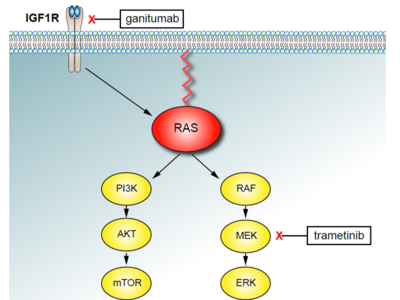
An NCI study in mice has identified a drug combination that may help treat children with rhabdomyosarcoma. But one of the drugs, ganitumab, is no longer being made. Based on the study's promising results, the NCI researchers who led the study want to test the combination in humans.
-
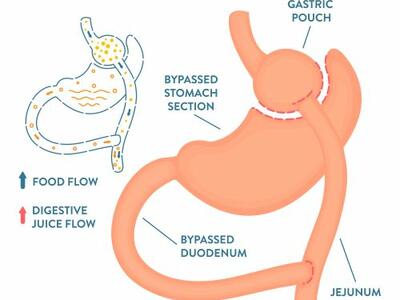
A new study suggests that people with obesity who had bariatric surgery had a much lower risk of five common cancers that aren’t related to hormone levels, including lung, colorectal, and esophageal cancer.
-
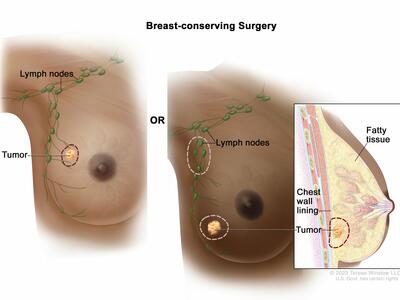
In a large clinical trial, a condensed course of radiation therapy was as effective and safe as a longer standard course for those with higher-risk early-stage breast cancer who had a lumpectomy. This shorter radiation course makes treatment less of a burden for patients.
-
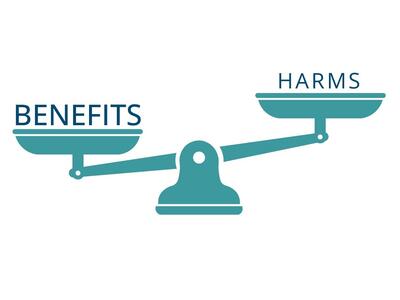
In a review of 33 cancer screening guidelines, researchers have found that many don’t adequately capture the potential harms of cancer screening. Providing information on harms is critical so people can have informed discussions about screening with their health care providers, the researchers noted.
-
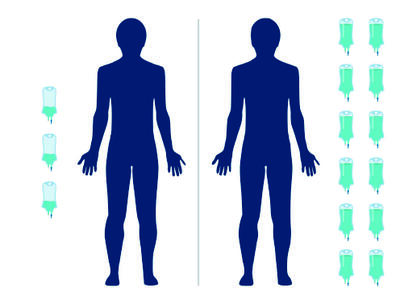
A study in India has found that an ultra-low dose of the immunotherapy drug nivolumab (Opdivo) helped people with advanced head and neck cancer live longer. Because the dose is 6% of what’s typically used in the United States and Europe, it is potentially more affordable.
-
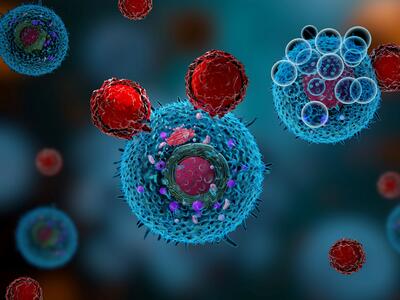
In a new study, researchers showed that cancer cells with mutations in the IDH1 gene release large amounts of a metabolite called D-2HG. Once outside of the cells, D-2HG acts like force field by neutralizing nearby immune cells.
-
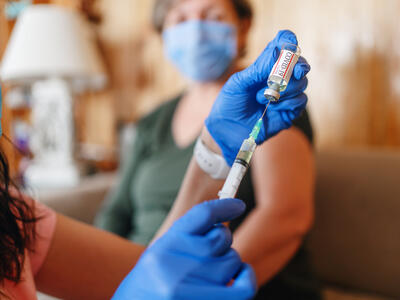
mRNA COVID-19 vaccines did not increase the type, frequency, or severity of immune-related side effects among people taking immune checkpoint inhibitors to treat cancer, a study at Memorial Sloan Kettering Cancer Center found. CDC and other medical groups generally recommend that people with cancer receive an mRNA COVID-19 vaccine.
-

The number of participants in modern phase 1 cancer clinical trials whose cancer responded to the treatment or remained stable has increased substantially, while treatment-related deaths remained very low, a new NCI study shows. Dr. Naoko Takebe discusses the findings and the importance of phase 1 trials.
-

Cisplatin raises levels of a fat molecule called S1P in areas of the brain responsible for memory and information processing, a new study shows. S1P locks onto a protein on the surface of brain cells called S1PR1. In mice given cisplatin, drugs that block S1PR1 prevented cognitive problems.
-
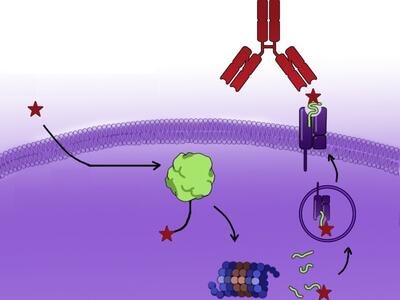
Two research teams have developed a treatment approach that could potentially enable KRAS-targeted drugs—and perhaps other targeted cancer drugs—flag cancer cells for the immune system. In lab studies, the teams paired these targeted drugs with experimental antibody drugs that helped the immune system mount an attack.