
Biology of Cancer - Cancer Currents Blog
Cancer biology research news, with context from experts at NCI and elsewhere. Topics include cancer metastasis, the tumor microenvironment, and new targets for cancer therapies.
-
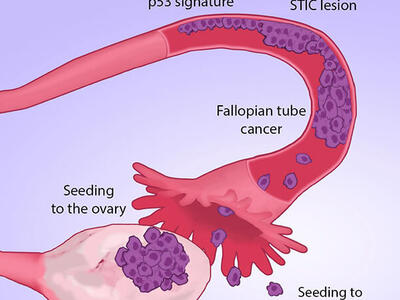
A new study provides more evidence that the most common form of ovarian cancer may originate in the fallopian tubes, and that there is a window of nearly 7 years between development of fallopian tube lesions and the start of ovarian cancer.
-
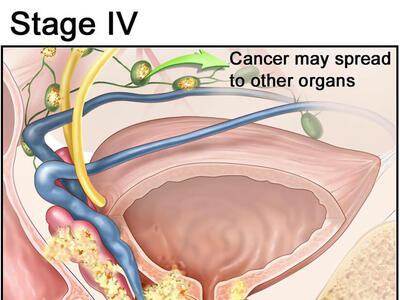
Researchers have identified an emerging subtype of metastatic prostate cancer that is resistant to therapies that block hormones that fuel the disease.
-
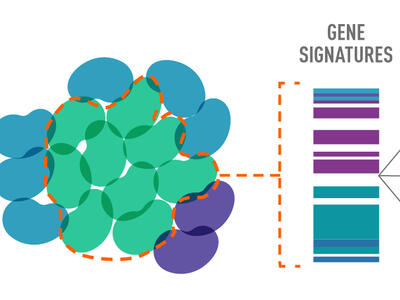
A new study suggests that the cells in treatment-resistant tumors in women with metastatic breast cancer share important characteristics that could potentially make tumors vulnerable to therapies that otherwise might not have been considered.
-
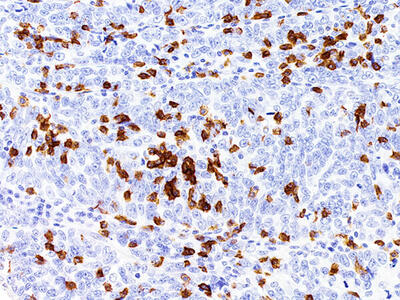
A large international study suggests that the presence of certain immune cells within the tumors of some patients with ovarian cancer are associated with improved survival.
-
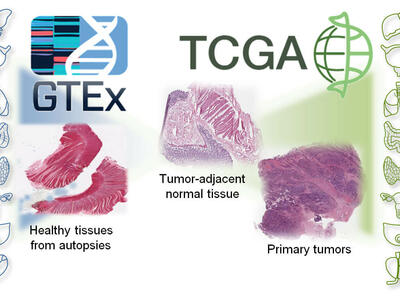
The tissue immediately surrounding a tumor may not be normal, even if it appears normal under the microscope, according to an analysis of data from two genomic databases.
-
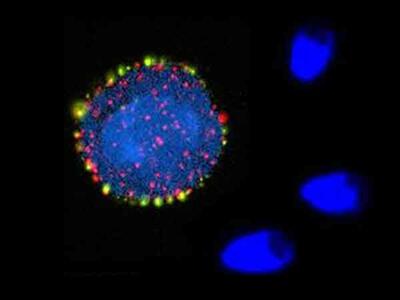
By comparing the genomes of women infected with a high-risk type of human papillomavirus (HPV), researchers have found that a precise DNA sequence of a viral gene is associated with cervical cancer.
-
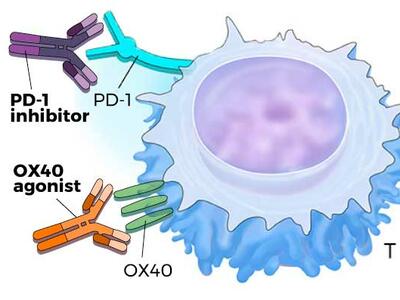
When given at the same time, two immune checkpoint inhibitors were ineffective against breast cancer growth in mice, a new study found. The combination was more effective and safer if the two inhibitors were given in a specific sequence.
-
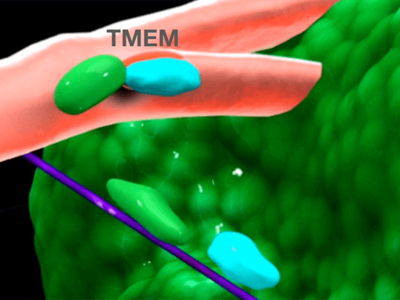
A new study conducted primarily in mice suggests that chemotherapy given before surgery for breast cancer can cause changes in cells in and around the tumor that are tied to an increased risk of the cancer spreading to other areas of the body.
-

Researchers who study exceptional responders—patients who have dramatic and long-lasting responses to treatments for cancer that were not effective for most similar patients—met recently to discuss the state of the science in this emerging field.
-
Using one of the largest collections of tumor samples from African Americans with breast cancer, researchers tried to assess the extent to which the molecular characteristics on these tumors might help to explain breast cancer disparities.