An official website of the United States government
Español
Email

Treatment - Cancer Currents Blog

Cancer treatment related news, with context from leading experts. Includes articles on new therapies, treatment side effects, and important trends in treatment-related research.

  • A conceptual imaging scan of a chest with the esophagus and stomach highlighted in red
    • By Carmen Phillips

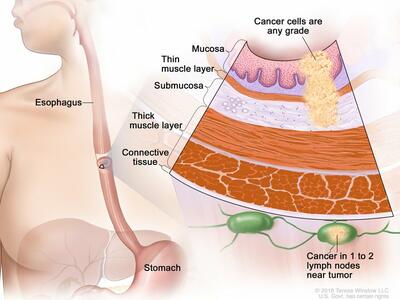
    FDA has changed its 2021 approval of pembrolizumab (Keytruda) along with trastuzumab (Herceptin) and chemotherapy for treating HER2-positive stomach or GEJ cancer. The agency also announced a new approval of pembrolizumab for HER2-negative forms of these same cancers.

  • An illustration showing selpercatinib, cabozantinib, and vandetinib blocking surface proteins.
    • By Edward Winstead

    For people with lung cancer and medullary thyroid cancer whose tumors have changes in the RET gene, selpercatinib improved progression-free survival compared with other common treatments, according to new clinical trial results.

  • An illustration showing multiple radiation beams targeting a tumor in a kidney.
    • By Carmen Phillips

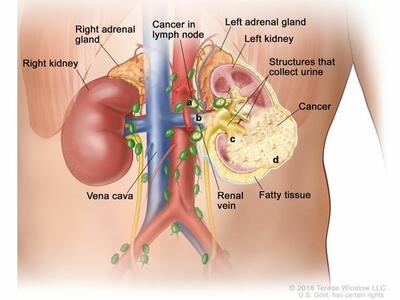
    Stereotactic body radiotherapy was effective in people with localized kidney cancer who weren’t able to have surgery to remove their tumor, a clinical trial has shown. No patients had their cancer start growing or died from cancer over the next 5 years.

  • A CT scan showing a metastatic tumor embedded in a spinal vertabrae
    • By Linda Wang

    Treatment with atezolizumab (Tecentriq) shrank tumors in about 40% of people with alveolar soft part sarcoma, including one complete response, new clinical trial findings show. Some people were later able to stop treatment without the cancer returning.

  • An illustration of AML cells floating among other cells
    • By Carmen Phillips

    Researchers have used a form of CRISPR, called base editing, to engineer T cells and hematopoietic stem cells as part of a potential “universal” CAR T-cell therapy for blood cancers. In experiments in mice, the treatment rapidly eliminated tumors, including in mice with acute myeloid leukemia (AML).

  • An illustration of the heart and its chambers
    • By Edward Winstead

    The cholesterol-lowering drug atorvastatin (Lipitor) may help reduce the risk of heart failure in people with lymphoma who receive chemotherapy drugs called anthracyclines, results from a clinical trial suggest. Anthracyclines, such as doxorubicin, are used to treat many types of cancer.

  • An illustration depicting the ITD and TKD mutations in FLT3 in a cell membrane
    • By Carmen Phillips

    Treatment options for people with acute myeloid leukemia (AML) have expanded yet again. On July 20, FDA approved quizartinib (Vanflyta) combined with chemotherapy as a first-line treatment for AML with a specific change in the FLT3 gene.

  • Drawing of the cross-section of an adult brain showing different parts of the anatomy, including the optic nerve and hypothalamus.
    • By Sharon Reynolds

    Treating craniopharyngioma often requires surgery, radiation therapy, or both. But results of a study suggest that, for many, combining the targeted therapies vemurafenib (Zelboraf) and cobimetinib (Cotellic) may substantially delay, or even eliminate, the need for these treatments.

  • Illustration of DNA with a single strand break and PARP protein being blocked by a PARP inhibitor
    • By Shana Spindler

    FDA approved enzalutamide (Xtandi) combined with talazoparib (Talzenna) for metastatic castration-resistant prostate cancer with alterations in any of 12 DNA repair genes. The drug combination, which blocks both DNA repair activities and hormones that fuel cancer growth, was more effective than the standard treatment in a large clinical trial.

  • A three-part image. Part A shows a family pedigree. Parts B and C are pathology images of gastric cancer.
    • By Daryl McGrath

    Despite recommendations, a new analysis shows few people with cancer undergo germline testing to learn if their cancer may have been caused by gene changes inherited from a parent. Germline testing can help doctors determine the best treatments for a patient and help identify people whose family members may be at higher risk of cancer.

  • An IMRT dosing plan for an adult with rectal cancer
    • By Linda Wang

    Radiation may not be needed for people undergoing surgery for rectal cancer, a large clinical trial has shown. A combination of two chemotherapy drugs before surgery appears to be as effective as chemo and radiation and may spare patients from long-term side effects.

  • A photo of a patient's arm with an IV in it just below the elbow.
    • By Carmen Phillips

    A large clinical trial has shown that in people with blood cancers, a cyclophosphamide-based regimen better protects against graft-versus-host-disease (GVHD) after an allogeneic stem cell transplant than the standard regimen.

  • Illustration of a B cell releasing antibodies
    • By Sharon Reynolds

    New findings show that the CAR T-cell therapy axicabtagene ciloleucel (Yescarta) improved survival for people with large B-cell lymphoma that was not responding to initial treatment or had quickly relapsed. The new results from the ZUMA-7 trial offer real hope for this group of patients.

  • An illustration of stage 1B lung cancer
    • By Carmen Phillips

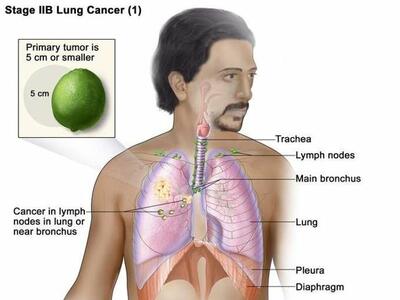
    In the ADAURA clinical trial, people with early-stage lung cancer treated with osimertinib (Tagrisso) after surgery lived longer than people treated with a placebo after surgery. Despite some criticisms about its design, the trial is expected to change patient care.

  • A radiation technologist analyzes brain MRI images on a computer screen
    • By Edward Winstead

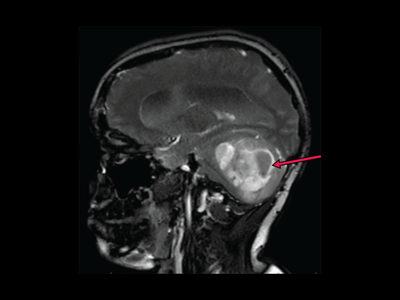
    In a large clinical trial, vorasidenib slowed the growth of low-grade gliomas that had mutations in the IDH1 or IDH2 genes. Vorasidenib is the first targeted drug developed specifically to treat brain tumors.

  • Photo of an infant lying on an exam table with an adult holding a stethoscope to the baby's chest.
    • By Shana Spindler

    Giving the drug blinatumomab (Blincyto) after standard chemotherapy substantially increased survival for infants with an aggressive form of acute lymphoblastic leukemia (ALL), a recent study showed. If confirmed in larger studies, the treatment may become standard therapy for infants with ALL caused by KMT2A rearrangements.

  • A 3-D illustration of anatomy in the lower abdomen of a male showing tumors in the colon and rectum.
    • By Edward Winstead

    A new treatment regimen may help improve the survival of some people with advanced colorectal cancer, according to results from an international clinical trial. The new regimen includes bevacizumab (Avastin) and the combination of trifluridine and tipiracil (Lonsurf).

  • An illustration of a young man undergoing an apheresis procedure for stem cell collection.
    • By Elia Ben-Ari

    In a clinical trial of people with multiple myeloma, giving motixafortide with filgrastim markedly increased the number of stem cells that could be collected. The treatment may allow more people with this cancer to get optimal numbers of stem cells for a transplant.

  • Red skin with blisters on male shoulder and back
    • By Edward Winstead

    People with desmoplastic melanoma, a rare form of skin cancer, are likely to benefit from treatment with a single immunotherapy drug, pembrolizumab (Keytruda), according to new results from a small clinical trial.

  • An illustration showing nirogacestat blocking an enzyme called gamma secretase, which is part of a signaling pathway that drives desmoid tumor growth.
    • By Linda Wang

    In a clinical trial, the drug nirogacestat shrank tumors in 40% of people with desmoid tumors. Treatment with nirogacestat also substantially improved progression-free survival, pain, and physical functioning, compared with patients treated with a placebo.

< Older Posts Newer Posts >
Email