
NCI enables advances against cancer by investing in a broad portfolio of research, supporting the cancer research workforce, and sustaining the infrastructure that enables cutting-edge research to succeed. All these components are essential to lead progress against cancer.
NCI’s support of basic, translational, and clinical research is helping to reduce the burden of cancer by driving discovery to improve cancer risk assessment, prevention, detection, diagnosis, treatment, and survivorship. Sustained and robust support for NCI’s work is needed to realize the long-term vision of ending cancer as we know it for all populations.
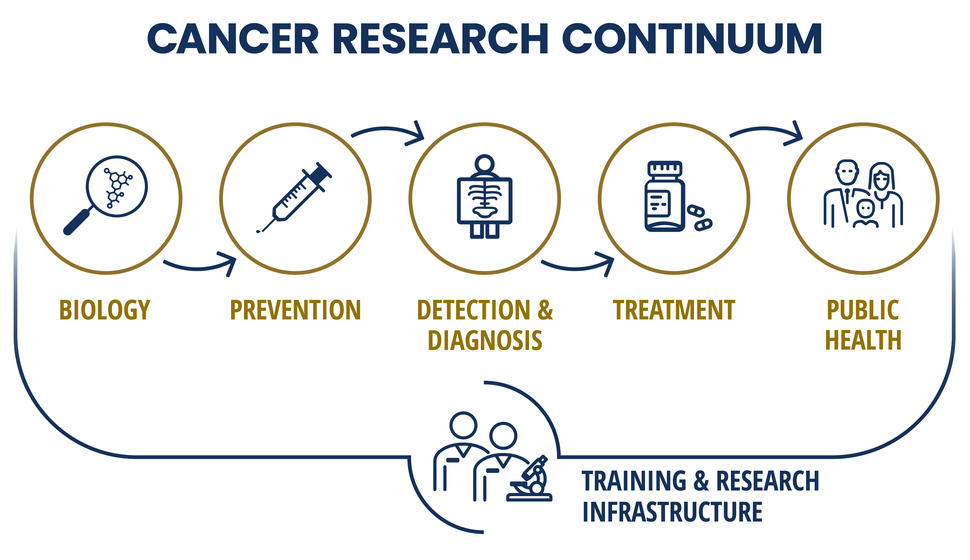
Providing hope: The power of cancer biology research
Virtually every new cancer diagnostic, therapeutic, or preventive measure begins with addressing a basic science research question. Through decades of carefully planned experiments in laboratories across the country, researchers generate fundamental knowledge that often cuts across multiple types of cancer. It’s these investments in cancer biology research that support the groundwork needed to discover and advance lifesaving cancer interventions. Continued support is then required to build on these findings.
NCI is the largest funder of the basic research that is critical for making sustained progress against cancer. Cancer survivors and those at risk of developing the disease rely on the innovative approaches that cancer biology research delivers.
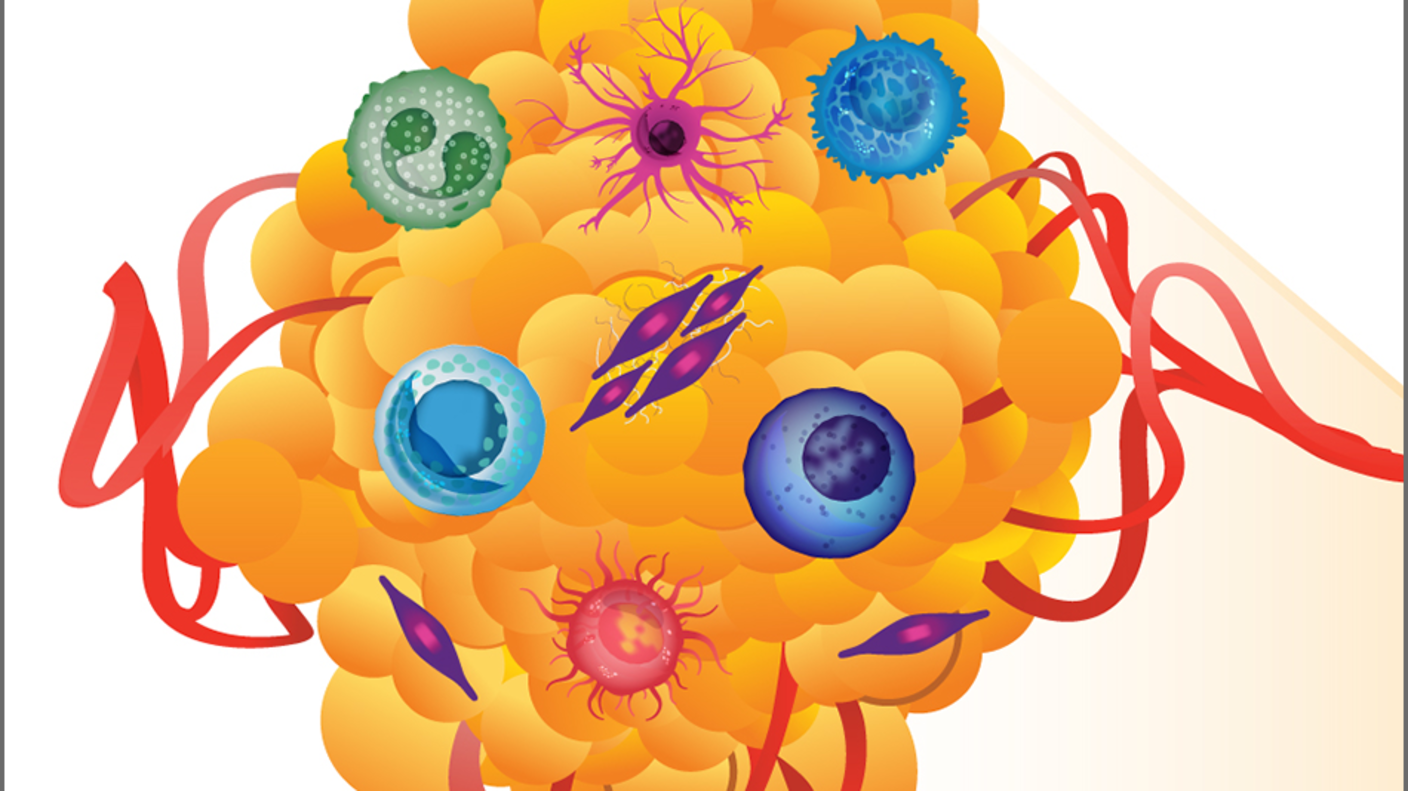
For example, through cancer biology research, NCI-supported researchers have:
- constructed dynamic three-dimensional maps of human tumor characteristics and microenvironments for multiple cancers as part of a widespread NCI-supported initiative, providing critical information on how cancer tumors develop, spread, and respond to treatments
- discovered that the cellular material released from dying cancer cells can promote the growth of nearby clusters of cancer cells, providing new insights into how cancer spreads
- uncovered structural features of a common, challenging-to-inhibit protein driver of cancer called RAS that may enable it to be therapeutically targeted by degradation
- found evidence that common respiratory viruses may awaken dormant cancer cells that have traveled to different parts of the body, contributing to risk of cancer recurrence in people with a history of cancer
Discoveries like these, and many others, open the door to new cancer prevention, interception, and treatment options where few or none currently exist. They provide hope that one day all cancers will be treatable.
Read more about NCI’s related research areas, including cancer biology research, cancer genomics research, and research on causes of cancer.
Reducing the burden: The potential of cancer prevention
While overall cancer mortality continues to decrease, researchers estimate that more than half of cancer deaths are preventable. More research investments are needed to learn how to implement, improve, and build on current prevention strategies so we can intercept cancer more effectively by improving treatment of precancerous lesions.
Researchers have identified several preventable factors in cancer development, such as behavior, exposure to cancer-causing agents, and social determinants of health. However, there is still much more to learn about how changes in these risk factors influence cancer risk. The knowledge gained from cancer prevention research can be used to refine guidelines and implement targeted measures to reduce the incidence of cancer.
For example, NCI-funded researchers are investigating new ways to prevent precancerous conditions from progressing to cancer and new ways to improve cancer screening in underserved areas. This research has enabled progress in several areas. NCI-supported groups have:
- evaluated the effectiveness and accuracy of at-home self-collection devices for cervical cancer screening, leading to the first FDA approvals of these alternative methods to in-person screening, which will expand screening accessibility
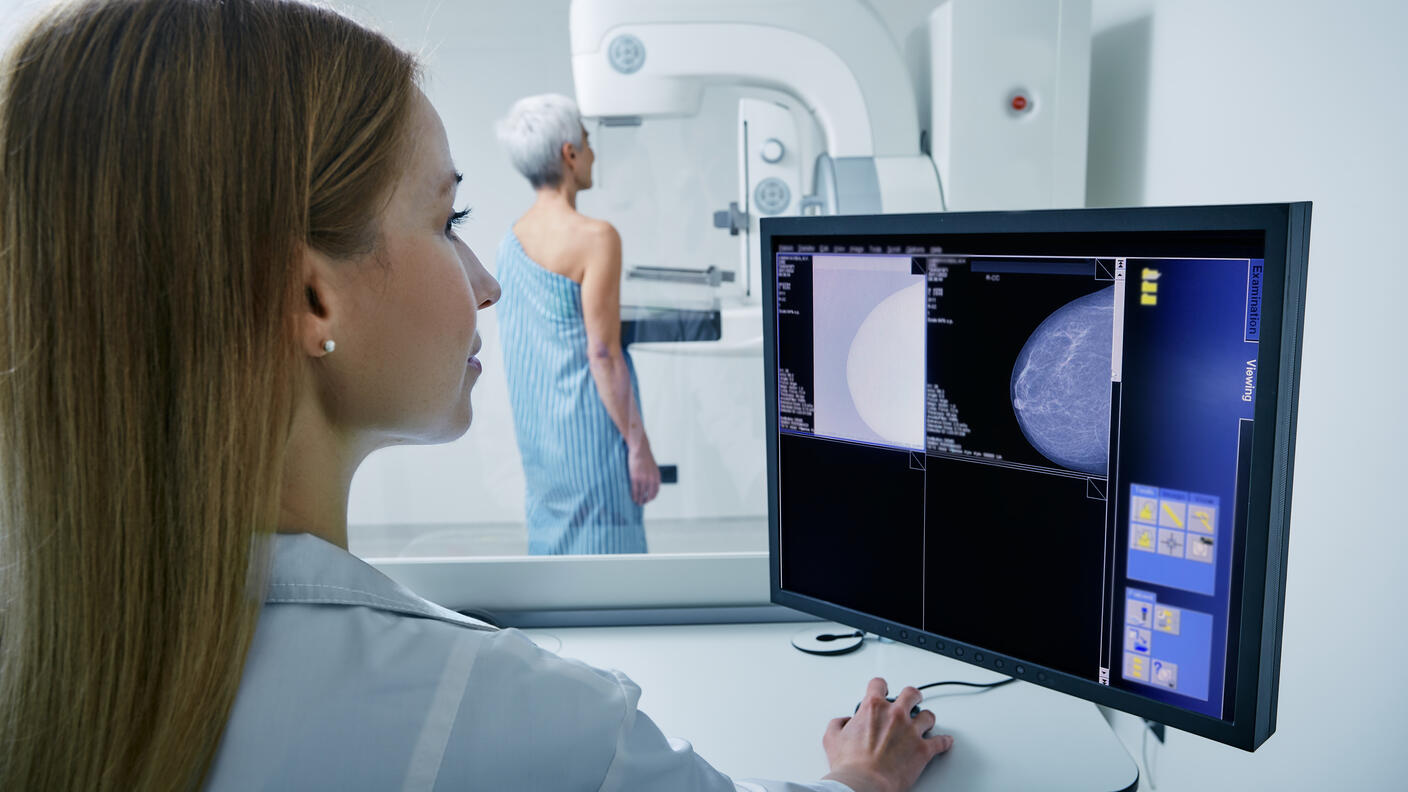
- tested a personalized approach to breast cancer screening based on each individual’s risk according to genetics, health history, lifestyle, and breast density, and found that overall, risk-based screening was as effective at detecting breast cancer as annual mammography screening
- demonstrated that a program providing multi-pronged strategies and support for quitting smoking was effective when integrated into smokers’ lung cancer screening visits
- found that, in addition to the benefits of moderate to vigorous activity on cancer risk, low intensity physical activity is linked to lower cancer risk
Through rigorous scientific studies, researchers can assess the impact of cancer prevention strategies, identify areas for improvement, and develop more efficient and accessible intervention approaches to reduce the burden of cancer.
Read more about NCI’s related research areas, including cancer prevention research.
Intervening early: The urgency of cancer detection and diagnosis research
Imagine if fewer people suffered and died from cancer because we detected and diagnosed the disease or its precursors at the earliest possible stage.
Accurately identifying cancer—and precancerous lesions—and assessing its severity is the primary goal of cancer detection and diagnosis research. Early detection can save lives. An imprecise approach, however, can lead to overdiagnosis, overtreatment, and unnecessary physical, psychological, and financial harm.
Investing in cancer detection and diagnosis research can help develop more sensitive, accurate, and cost-effective methods that provide information about not only the cancer type but also detailed genetic information to support targeted cancer therapies and precision medicine. This research can also determine the impact that screening could have on survival rates for selected cancer types. With the rise of multi-cancer detection tests, NCI launched the Cancer Screening Research Network to evaluate potential survival benefits, or other outcomes, resulting from this new type of tool. Carefully assessing the impact of these tests on cancer outcomes will limit risk and ensure benefit.
With recent advances in NCI-funded detection and diagnosis technology, scientists have capitalized on novel opportunities. For example, NCI-supported researchers have:
- as part of the Cancer Screening Research Network, launched a pilot study of two multi-cancer detection (MCD) tests to inform the design of a larger trial that will evaluate whether MCD tests can detect cancer early in a way that reduces deaths
- discovered that a larger than previously thought proportion of children and adolescents who go on to develop gliomas (a type of brain tumor) have an inherited condition in which cells are unable to repair mistakes that occur when DNA is copied (mismatch repair deficiency; MMRD), potentially providing an avenue for improved screening, early detection, and diagnosis
- developed an FDA-approved AI-assisted imaging system to help neurosurgeons plan more accurate and reliable brain tumor removal, while better preserving healthy parts of the brain
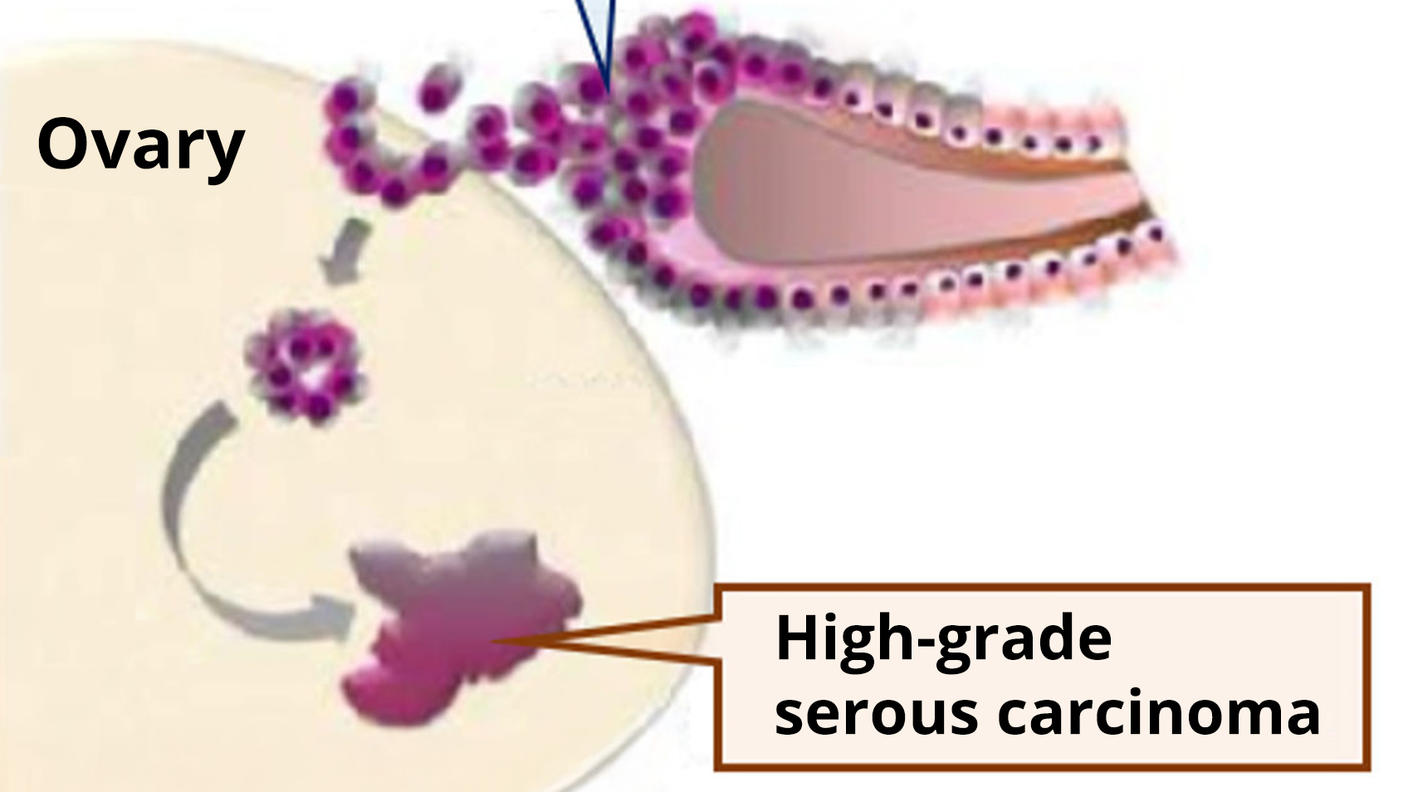
- discovered that a type of stem cell known to drive cancer progression is present in precancerous ovarian growths, where they potentially produce molecular signatures that could enable earlier detection of ovarian cancer
Read more about NCI’s related research areas, including cancer screening and early detection research and cancer diagnosis research.
Innovating treatment: The need for more effective and less toxic cancer therapies
For more than 50 years, NCI has played a vital role in the development of more effective and less toxic therapeutic options for patients with cancer. As of January 2025, about 18.6 million people with a history of cancer were living in the United States; this number is projected to exceed 22 million by 2035, due to the growth and aging of the population as well as advances in early detection and treatment (Cancer Treatment and Survivorship Statistics, 2025). Despite the steady progress in improving treatments, some forms of cancer still lack effective therapies, many cancers eventually develop resistance to treatment, and not all people have equal access to cutting-edge treatments. Adding to the challenge, patients with cancer often experience severe side effects from the disease and its treatment, which for childhood cancer survivors can impact their quality of life for decades.
These challenges can be overcome. Investments in treatment research today will inspire and sustain the safe and effective cures of tomorrow. For example, NCI-supported researchers have:
- provided essential data on the safety and preliminary efficacy of zotiraciclib, a single-agent therapy for patients with certain aggressive brain tumors known as recurrent high-grade gliomas, leading to fast-track designation by the Food and Drug Administration (FDA)
- conducted a clinical trial of a new immunotherapy targeting two proteins commonly found in glioblastomas (a type of brain tumor), resulting in smaller tumors in nearly two-thirds of the brain cancer patients in the trial and setting the stage for a future clinical trial
- found in a phase 2 clinical trial that a combination of two targeted therapies was effective at shrinking tumors in most patients with an aggressive form of kidney cancer associated with an inherited condition
- improved understanding of the importance of long-term quality-of-life outcomes like fatigue to patients who have been treated for low-risk thyroid cancer
More research is needed to ensure that all patients with cancer have safe and effective therapies and the highest possible quality of life.
Read more about NCI’s related research areas, including cancer treatment research and research on childhood cancers.
Improving public health: The role of cancer control and health care delivery research
Each year, cancer has a significant impact on public health, affecting the nation’s economy and the quality of life for millions of people in the United States. NCI invests in studies to identify population-wide trends in cancer and to improve the delivery of cancer interventions. NCI also supports research that enables people to live a healthy life after cancer.
More research is needed to design interventions that improve cancer prevention, screening, treatment, and survivorship outcomes, and to address why certain racial, ethnic, and rural populations suffer disproportionately from some cancers. This research can inform policies that reduce cancer-causing exposures, ensure greater compliance with health recommendations, minimize misinformation, and address gaps in the health care system when cancer survivors transition from oncology care to primary care.
Additional investments in cancer control and implementation research will improve the lives of cancer survivors and the general population, while ensuring that all population groups benefit from advances in cancer research. For example, NCI-supported groups have:
- conducted a study on the impact of prevention, screening, and treatment interventions from 1975 to 2020, which found that an estimated 5.94 million deaths from breast, cervical, colorectal, lung, and prostate cancers combined were averted
- found that from 2010-2019, there was an increase in the diagnosis of fourteen types of cancers in early-onset age groups spanning ages 15-49, with mortality rates also increasing for colorectal, uterine, and testicular cancer in these younger age groups
- defined different factors, including previously unknown drivers of aggressive tumors, on a population-wide scale affecting how lung cancer develops in smokers versus never-smokers using data from the NCI Sherlock-Lung study
- assessed the prevalence in the U.S. population of Lynch Syndrome, a genetic condition that predisposes individuals to developing cancer, and analyzed demographic, personal, and family cancer history to better identify the syndrome across specific populations
Researchers are working hard to understand population-level impacts on cancer control and to design and test interventions along the cancer continuum that can address disparities and ensure good health for all people.
Read more about NCI’s related research areas, including public health research and cancer and cancer health disparities research.
Strengthening the research enterprise: The need for a robust cancer research workforce and infrastructure
An extensive research infrastructure and a stable workforce comprise the backbone of the entire cancer research enterprise, and NCI provides a level and scope of infrastructure and training that cannot be matched by other organizations. Investing in these critical needs is of the greatest importance in leading progress against cancer.
All cancer research requires a robust workforce and infrastructure. This includes cancer centers where clinical trials can test new approaches to prevent and treat cancer, facilities that develop and manufacture new technologies and medicines, electronic databases to support large amounts of biomedical data, programs to support small businesses developing innovative cancer technologies, and initiatives to train a workforce that drives cancer research forward.
These elements need continued investments to remain strong and capitalize on new opportunities. With continued investments, NCI has:
- utilized the Cancer Immunologic Data Center to integrate data from approximately 40 National Institutes of Health (NIH) and NCI immuno-oncology trials conducted through the Partnership for Accelerating Cancer Therapies (PACT), enabling improved data quality and collaborations across NCI divisions
- established a web portal and AI-powered tools for optimizing and streamlining clinical trial processes and logistics
- engaged high school and undergraduate students through the Youth Enjoy Science (YES) program on research education in Appalachian Kentucky, demonstrating that the program helped recruit rural students into bioscience studies at the University of Kentucky
- supported the next generation of cancer researchers through the K99/R00 Pathway to Independence Program, which helped 95% of surveyed award recipients transition from postdoctoral research to research independence
Investing in the NCI-supported cancer research workforce and infrastructure ensures that all research areas supported by the NCI budget produce the highest quality research in the most effective way possible.
Read more about NCI’s cancer research infrastructure and the Center for Cancer Training.