
Cancer Currents: An NCI Cancer Research Blog
A blog featuring news and research updates from the National Cancer Institute.

-

In recognition of Childhood Cancer Awareness Month, NCI's Dr. Brigitte Widemann discusses recent advances in treatment, shared data, artificial intelligence, research participation, and survivorship. She explains why sustained federal investment and partnerships with patients, families, advocates, and researchers are essential to continued progress.
-
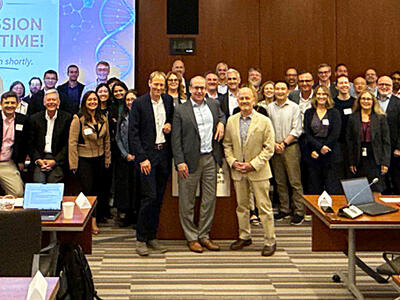
Functional precision medicine tests drugs directly on living tumor cells to help clinicians identify the most effective, personalized treatments for their patients. NCI Director Dr. Anthony Letai shares his personal journey with the technology and highlights next steps for advancing the field from a recent NCI workshop.
-

Immune checkpoint inhibitors have revolutionized cancer treatment, helping people with advanced melanoma, lung cancer, bladder cancer, and other cancers live longer, healthier lives. This is the story of how decades of NCI-funded research made these breakthrough immunotherapy drugs possible.
-

Following ASCO 2026, NCI Director Dr. Anthony Letai reflects on the pace of progress in cancer research, efforts to accelerate clinical trials, and NCI’s role in supporting the cancer research and care community. He highlights how decades of investment in science are driving progress for patients and creating new opportunities to improve outcomes.
-

NCI Director Dr. Anthony Letai shares his reflections on this year’s AACR Annual Meeting, including science that stood out and NCI’s leading priorities.
-

As diagnoses of colorectal, breast, and other cancers continue to climb in people under age 50, researchers are trying to understand what’s behind this phenomenon. Is it environmental exposures, genetics, lifestyle? The culprits, they say, remain unclear.
-
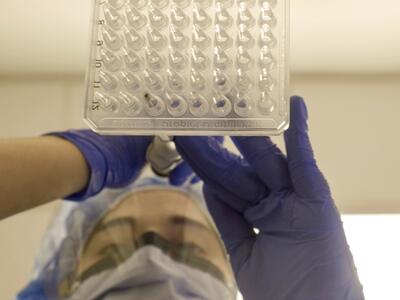
Scientists have developed a test for use during brain cancer surgery that rapidly measures the levels of certain genetic mutations in patients’ tumor samples. The test uses droplet digital polymerase chain reaction technology and produces results within 15 minutes.
-

A device that measures the “stickiness” of cancer cells in tumor samples may help predict the likelihood of a patient’s cancer metastasizing. Researchers believe the device could eventually help doctors make more informed treatment choices.
-
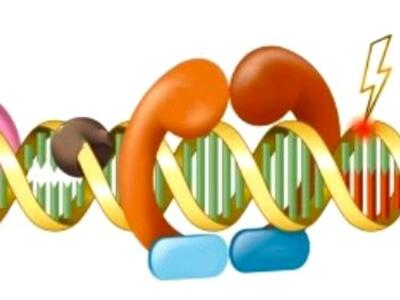
FDA has approved the combination of the immunotherapy drugs ipilimumab (Yervoy) and nivolumab (Opdivo) for the initial treatment of people with advanced colorectal cancer whose tumors are classified as MSI-H or dMMR.
-
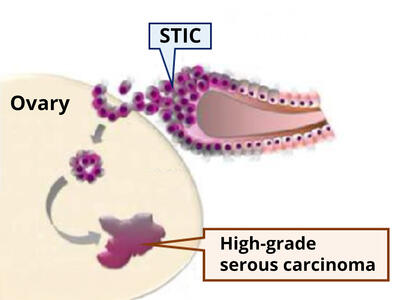
A subgroup of mesenchymal stem cells, called high-risk MSCs, appears to fuel the formation of cancerous lesions in the fallopian tubes and the lesions’ transition to ovarian cancer, a study has found.