
2018 - Cancer Currents Blog
-

FDA has approved venetoclax (Venclexta) and glasdegib (Daurismo) for use in people with acute myeloid leukemia aged 75 and older and those with health conditions that prevent them from receiving the intensive chemotherapy regimen that is the standard initial treatment.
-

Dr. Barbara Rimer, chair of the President’s Cancer Panel, summarizes the panel’s recent report on the HPV vaccine, which includes priorities and strategies to ensure that more people receive this critical cancer vaccine.
-
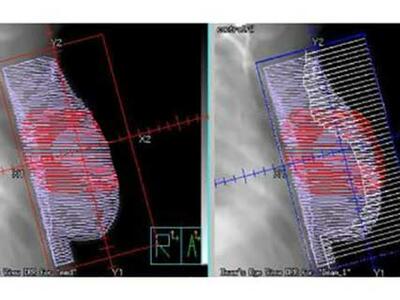
In women with early-stage breast cancer, two clinical trials have shown that both whole- and partial-breast radiation therapy are effective at preventing the cancer from returning after breast-conserving surgery.
-
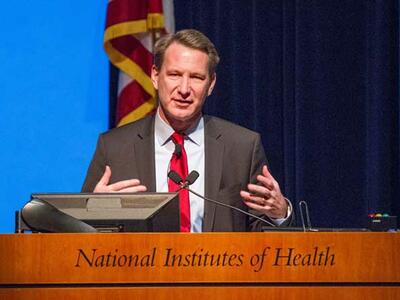
NCI Director Dr. Ned Sharpless describes important decisions NCI leaders have recently made with respect to the institute’s fiscal year 2019 budget, including those related to the Cancer Moonshot and early-stage investigators.
-
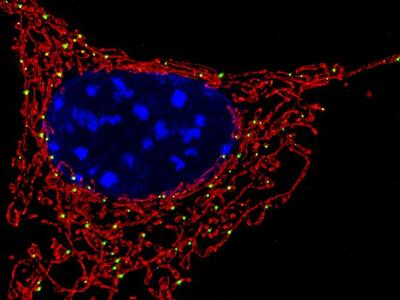
Two new studies show how the drugs venetoclax (Venclexta) and azacitidine (Vidaza) team up to block the unique metabolism of leukemia stem cells and may explain why the drug combination is effective against acute myeloid leukemia.
-

In the largest-ever randomized trial testing vitamin D for cancer prevention, the supplement did not lower the risk of developing cancer. The Vitamin D and Omega-3 Trial (VITAL) includes a nationally representative sample of nearly 26,000 participants.
-
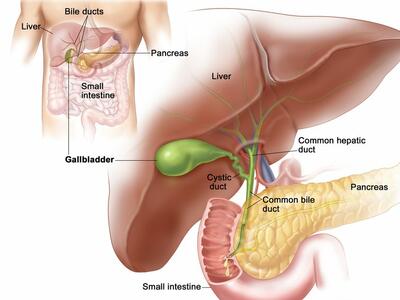
In an early-phase trial, dabrafenib plus trametinib shrank tumors in patients with biliary tract cancer and adenocarcinoma of the small intestine whose tumors had a specific mutation in the BRAF gene.
-

Researchers are testing a topical-gel form of the drug tamoxifen to see if it can help prevent breast cancer as effectively as the oral form of the drug but with fewer side effects.