
2023 - Cancer Currents Blog
-
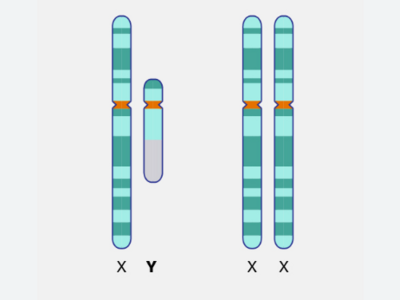
In men, loss of the Y chromosome in bladder cancer cells helped tumors evade the immune system and grow unchecked, a new study shows. However, losing the chromosome also appears to make bladder cancer more susceptible to immunotherapy, researchers reported.
-

An update on new and updated content on NCI’s websites of interest to the cancer community. This edition features resources of interest to cancer researchers and trainees.
-
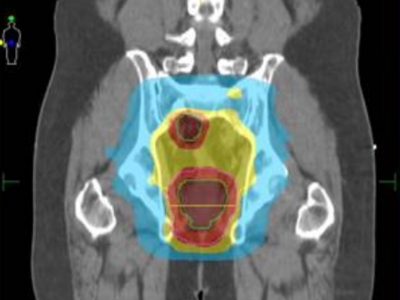
Radiation may not be needed for people undergoing surgery for rectal cancer, a large clinical trial has shown. A combination of two chemotherapy drugs before surgery appears to be as effective as chemo and radiation and may spare patients from long-term side effects.
-

A large clinical trial has shown that in people with blood cancers, a cyclophosphamide-based regimen better protects against graft-versus-host-disease (GVHD) after an allogeneic stem cell transplant than the standard regimen.
-
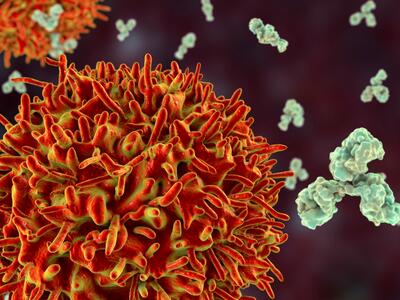
New findings show that the CAR T-cell therapy axicabtagene ciloleucel (Yescarta) improved survival for people with large B-cell lymphoma that was not responding to initial treatment or had quickly relapsed. The new results from the ZUMA-7 trial offer real hope for this group of patients.
-
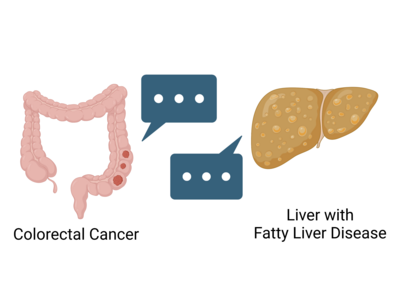
When colorectal cancer spreads to the liver, it can be very difficult to treat. Cancer is more likely to invade the liver when patients have fatty liver disease. A recent study places the blame on “message bubbles” called extracellular vesicles that are released by the liver.
-
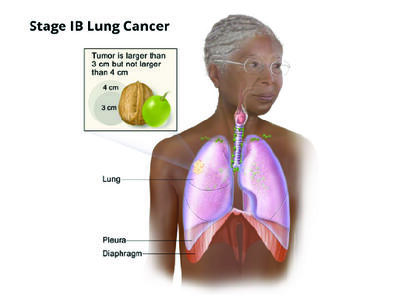
In the ADAURA clinical trial, people with early-stage lung cancer treated with osimertinib (Tagrisso) after surgery lived longer than people treated with a placebo after surgery. Despite some criticisms about its design, the trial is expected to change patient care.